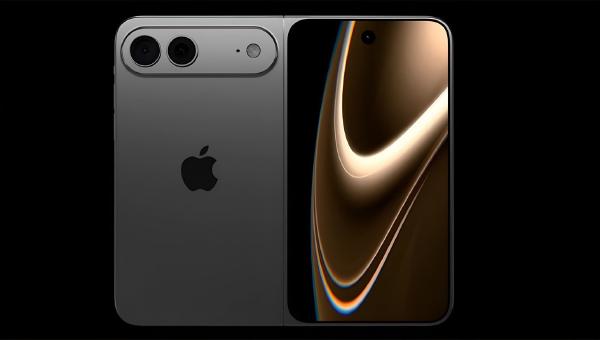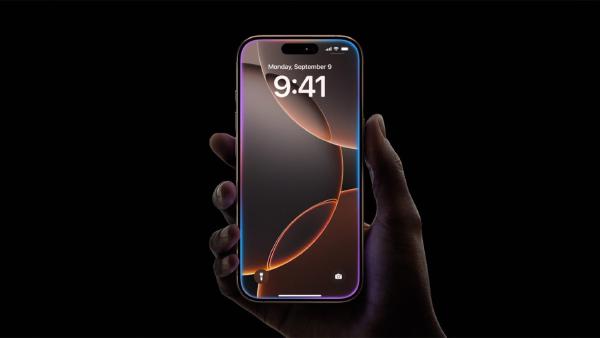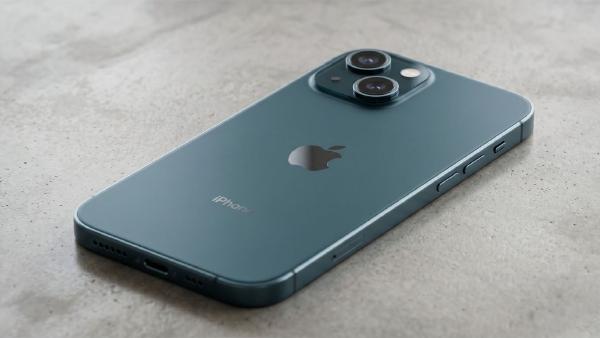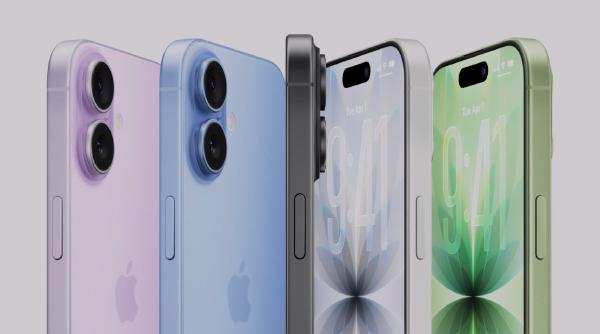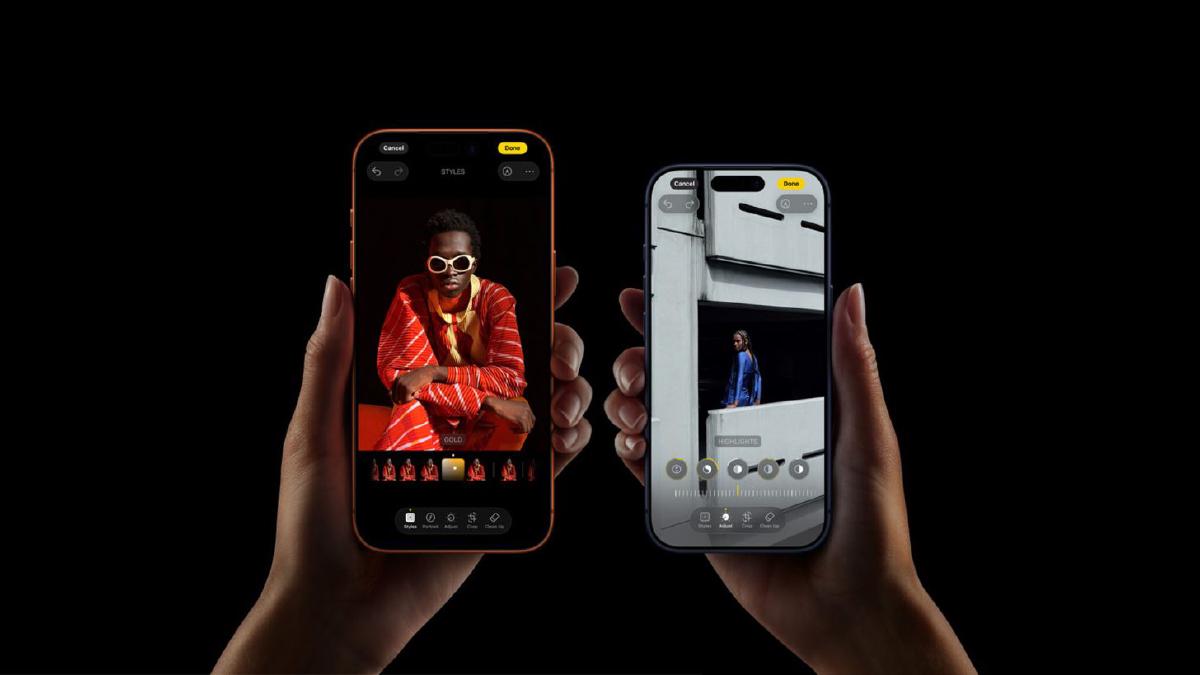
Apple’s decision to exclude the base iPhone 18 from its lineup for 2026 has raised eyebrows among industry analysts. Instead of showcasing the standard model, Apple plans to highlight its premium offerings, including the iPhone 18 Pro and iPhone 18 Pro Max, as well as its first foldable device, the iPhone Fold. This shift in strategy appears to be driven by a combination of market trends and internal projections regarding consumer demand.
As first reported by Wccftech, a research firm has indicated that, despite escalating DRAM prices affecting production costs, the appetite for high-end smartphones remains robust. This sustained demand for premium devices is expected to help Apple maintain its profit margins even as manufacturing expenses rise. The firm’s analysis suggests that consumers are increasingly gravitating towards more advanced technology, which aligns with Apple’s focus on its higher-end models.
The decision to delay the launch of the base iPhone 18, in favor of introducing models like the iPhone Air 2 and the more budget-friendly iPhone 18e, reflects a strategic pivot for Apple. The company seems to be banking on the notion that consumers are willing to pay for enhanced features and superior specifications. The anticipated price hikes for the Pro models may also play a role in this strategy, as Apple seeks to boost its Average Selling Price (ASP) through a more premium-focused portfolio.
The iPhone Fold, in particular, is seen as a significant addition to Apple’s range, aiming to capture the attention of consumers looking for cutting-edge technology. With foldable smartphones gaining traction in the market, Apple’s entry into this segment is expected to further elevate its brand image and sales performance. Analysts suggest that the Fold’s unique design and functionalities could resonate well with tech-savvy users, thereby solidifying Apple’s position in the competitive smartphone landscape.
While the iPhone 18’s absence may disappoint some consumers anticipating a standard model, Apple’s emphasis on innovation and premium offerings underscores its commitment to delivering high-quality devices. This strategy not only aligns with current market trends but also positions Apple to capitalize on consumer preferences for advanced technology.
In summary, Apple’s decision to focus on higher-end models while delaying the base iPhone 18 reflects a calculated response to market dynamics. As the tech landscape continues to evolve, Apple’s ability to cater to premium consumers may be crucial for maintaining its competitive edge.
Apple Inc. is a leading technology company known for its innovative products, including the iPhone, iPad, and Mac computers. With a legacy of quality and design, Apple continues to shape the technology industry.
Image credit: Wccftech
This article was generated with AI assistance and reviewed for accuracy.