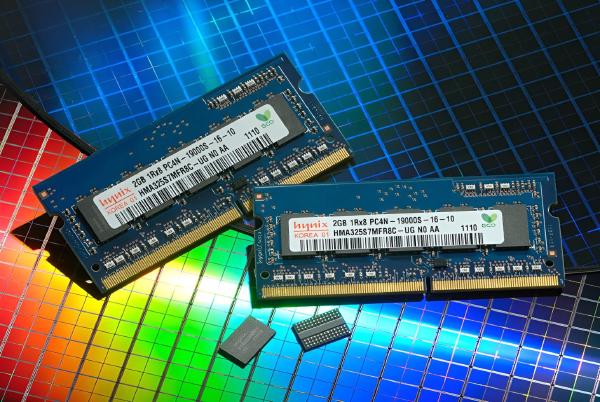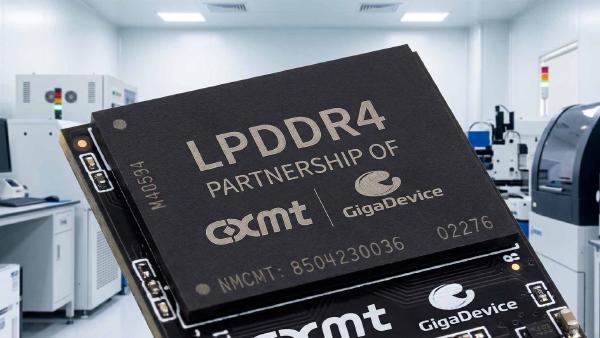
Apple is making a bold move to secure access to essential DRAM from China’s CXMT, facing memory supply constraints from established suppliers like Samsung, SK hynix, and Micron. As first reported by Wccftech, the tech giant is appealing to the Trump administration for a clearance that would allow it to import bulk shipments of DRAM, which has become increasingly vital for its upcoming iPhone 18 Pro model.
This decision is rooted in significant financial concerns, as the cost of memory components for the iPhone 18 Pro could potentially triple if Apple does not find a solution. The company is thus navigating a complex political landscape to address its supply chain challenges. The risks associated with lobbying the previous administration are substantial, given the unpredictable nature of trade policies and relations between the U.S. and China.
Apple’s current predicament stems from ongoing supply constraints caused by geopolitical tensions and tariff policies. The company has relied heavily on its established relationships with South Korean and American manufacturers, but these partnerships have not fully satisfied its growing demand for DRAM. With the iPhone 18 Pro on the horizon, the stakes have never been higher.
Should Apple succeed in its lobbying efforts, it could pave the way for a more stable and affordable supply of memory components. This would not only benefit the production of the iPhone 18 Pro but also potentially steer the company away from the need to invest in its own memory fabrication facilities, a move that would require substantial capital and resources.
The appeal to the Trump administration is a calculated risk for Apple. While it could lead to a more favorable outcome in securing DRAM supply, it also poses reputational risks given the political climate surrounding U.S.-China relations. Many analysts are closely watching how this situation develops, as it could have wider implications for other technology companies facing similar shortages.
In addition to the DRAM procurement, Apple is also under pressure to ensure that its production costs remain competitive. The iPhone series has long been a cornerstone of Apple’s revenue stream, and rising component costs could negatively impact profit margins. If these costs are passed on to consumers, it could affect sales, especially in a market eager for affordable smartphones.
Apple’s lobbying efforts highlight the intricate balance that modern tech companies must navigate between supply chain management, political considerations, and consumer expectations. As the landscape continues to evolve, these strategic decisions will be crucial for maintaining Apple’s competitive edge in the smartphone market.
The iPhone 18 Pro is shaping up to be a critical release for Apple, especially in light of the increasing competition in the smartphone sector. With brands like Samsung and Google making significant strides in technology and user experience, Apple must ensure that its flagship device remains appealing both in terms of features and price.
The situation with CXMT underscores the broader challenges facing the tech industry regarding semiconductor supplies. As demand for advanced chips and memory components continues to rise, companies are increasingly exploring unconventional avenues to secure the necessary resources.
Apple’s ongoing pursuit of affordable and reliable DRAM showcases its commitment to innovation while navigating complex global market conditions. As this situation unfolds, the tech landscape will surely be watching closely for any developments that could reshape supplier relationships and impact future product offerings.
Image credit: Wccftech
This article was generated with AI assistance and reviewed for accuracy.