Apple’s financial flexibility is drawing attention as the company navigates the ongoing DRAM shortage without the heavy burden of data center costs that afflict many of its competitors. As first reported by Wccftech, Apple is uniquely positioned in the tech ecosystem, allowing it to maintain strong cash flows while sidestepping the significant capital expenditures that come with proprietary data center infrastructure.
For the third quarter of 2026, Apple reported a remarkable earnings performance, generating billions despite the current semiconductor supply constraints. Analysts are impressed by this resilience, particularly in light of a 28 percent reduction in capital expenditure over the past nine months, which has dropped to $6.8 billion. This is a stark contrast to the massive investments other tech giants must make for data center expansion and upgrades.
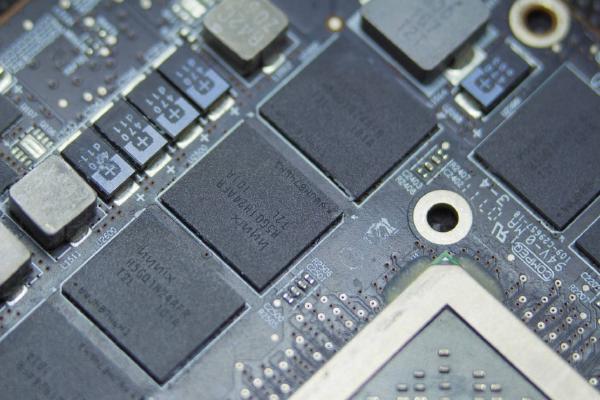
However, analysts caution that while Apple’s current model is effective, it will need a robust strategy to address the rising costs of DRAM memory. The ongoing semiconductor shortage has put pressure on memory prices, and Apple’s reliance on DRAM for its products means it cannot afford to ignore these developments. The call for a new AI roadmap comes as Apple continues to integrate artificial intelligence into its systems, specifically through its voice assistant, Siri.
By enhancing Siri’s capabilities and driving hardware replacement cycles through improved AI functionalities, Apple may find a way to mitigate some of its DRAM cost pressures. The company’s innovative approach could open up possibilities for recurring subscription models tied to its AI offerings, which would further bolster its financial standing.
Apple’s handling of these challenges stands in stark contrast to the more traditional tech giants, who often find themselves heavily invested in physical infrastructure. While those companies scramble to keep up with the escalating costs of maintaining data centers, Apple appears to have carved out a less burdensome path. Still, the analysts stress that ongoing vigilance and adaptability will be key as the market evolves.
In the competitive landscape of technology, Apple’s agility and strategic focus on AI could prove beneficial in the long run, provided it successfully navigates the complexities of rising memory costs. As the industry shifts towards more AI-driven applications, the stakes for effective memory management have never been higher.
Founded in 1976, Apple has long been at the forefront of innovation, consistently pushing the boundaries of technology. With its foray into AI and continued focus on enhancing user experiences through smart devices, the company remains a critical player as it balances financial strategy with operational challenges.
Image credit: Wccftech
This article was generated with AI assistance and reviewed for accuracy.