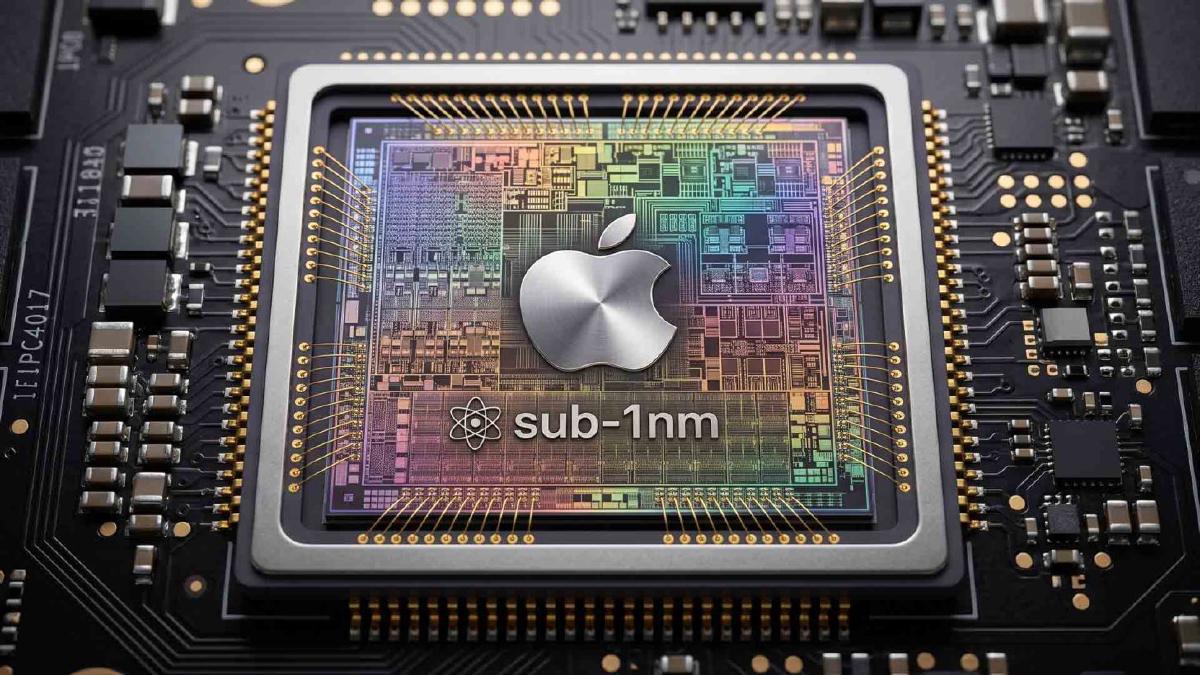
Apple is poised to push the boundaries of semiconductor technology, with plans for sub-1nm chips possibly hitting the market by 2029. As first reported by Wccftech, the tech giant’s exclusive manufacturing partner, TSMC, is gearing up to begin trial production of these advanced chips, marking a significant leap in processing capabilities.
The upcoming release of Apple’s A20 and A20 Pro chipsets is set for later this year, accompanying the much-anticipated iPhone 18 series. But in a fast-paced industry like tech, innovation doesn’t just rest on the heels of a new launch. As chip manufacturers face growing demands for efficiency and performance, the journey to sub-1nm chip technology is an exciting development on the horizon.
According to the latest insights, TSMC’s roadmap reveals an ambitious target of producing 5,000 wafers using this groundbreaking sub-1nm process. This leap is set to change the way devices operate, enabling Apple to further enhance its products’ capabilities, from smartphones to perhaps even next-generation AR devices.
The push for smaller and more effective chips is nothing new, but reaching the sub-1nm mark is a monumental challenge. The existing 2nm technology is already pushing the limits of what can be achieved with current manufacturing techniques. TSMC’s success in this area will not only benefit Apple but may also set a new industry standard for performance, efficiency, and miniaturization across various sectors.
This ambitious plan comes at a crucial time when tech giants are racing to innovate, facing increasing competition and a demand for more powerful devices. With TSMC playing a vital role in this journey, the semiconductor manufacturer reflects Apple’s commitment to staying at the forefront of technology, ensuring its products remain relevant and effective in an ever-evolving landscape.
As we anticipate these developments, it’s essential to look at the broader implications. If TSMC successfully executes this plan, it could pave the way for an era of dramatically enhanced computing power, potentially impacting everything from mobile gaming to artificial intelligence applications.
For gamers and tech enthusiasts alike, the implications of these advancements are substantial. Faster, more efficient chips could lead to richer gaming experiences, quicker load times, and even more sophisticated AI behavior in games. As Apple prepares for this new chapter, should keep an eye on how these innovations translate into real-world experiences.
In summary, with TSMC planning to enter trial production for sub-1nm technology by 2029, the future looks promising for Apple and its users. This move not only signals a bold step for the company but also represents a significant moment in the evolution of semiconductor technology, promising to reshape the devices we rely on in our daily lives.
Apple’s pursuit of advanced semiconductor technology reflects its ongoing commitment to innovation. The company has continually raised the bar in the smartphone industry, and with TSMC as a key partner, we can expect significant advancements in the years to come.
Image credit: Wccftech
This article was generated with AI assistance and reviewed for accuracy.