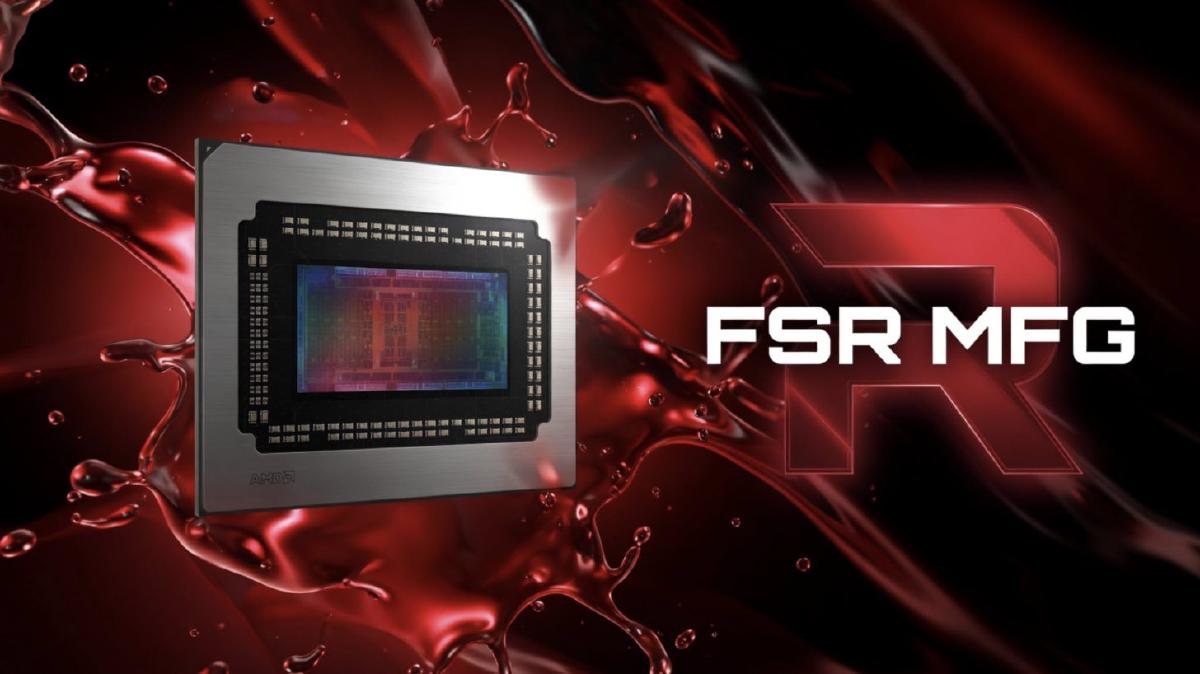
AMD is poised to introduce its Multi-Frame Generation (MFG) technology for its FidelityFX Super Resolution (FSR) suite, as indicated by recent updates to the FidelityFX SDK. As first reported by Wccftech, this development marks an important step in AMD’s ongoing efforts to enhance the gaming experience on its Radeon GPUs.
The newly released FSR Redstone suite brings a variety of updates, including improved upscaling, frame generation, and Ray Regeneration capabilities. These enhancements utilize artificial intelligence and machine learning to elevate both performance and visual fidelity. However, until now, AMD has lagged behind its competitors in the field of Multi-Frame Generation, which is crucial for delivering smoother gameplay and higher frame rates.
Multi-Frame Generation allows for the synthesis of additional frames between existing rendered frames. This is particularly beneficial in graphically demanding titles, where maintaining high frame rates can be a challenge. With this upcoming addition, AMD aims to level the playing field with NVIDIA and Intel, both of which already offer MFG support in their respective graphics technologies.
The latest SDK update is a clear indicator of AMD’s commitment to not only keeping pace with its rivals but also innovating within the space. The enhancements to FSR Redstone suggest that AMD is focusing heavily on AI-driven performance improvements, which have become increasingly important in modern gaming. As developers begin to integrate this technology into their titles, players can look forward to a more seamless and visually stunning gaming experience.
For AMD, the introduction of MFG is more than just a technical achievement; it represents a crucial opportunity to win over gamers who might have been previously swayed by the offerings from other GPU manufacturers. With an ever-growing catalog of indie and AAA titles that rely on high-performance graphics, AMD’s timing is noteworthy as the industry continues to evolve and push the boundaries of visual storytelling.
As the gaming landscape shifts, developers and players alike are eager for tools that can enhance gameplay and visual fidelity. The incorporation of MFG technology could significantly impact how games are experienced, especially in scenarios where frame rates play a pivotal role in player engagement and immersion.
AMD’s MFG technology will not only improve performance metrics but also expand the creative possibilities for developers. With more frames rendered per second, game creators can explore new artistic directions and design choices that were previously constrained by hardware limitations.
As we await further details on the official launch of this technology, one thing is clear: AMD is making strides to solidify its position as a competitive force in the graphics market. The excitement around the upcoming features in FSR Redstone suggests a commitment to not just match but potentially exceed user expectations.
AMD has been a key player in the graphics card market, focusing on performance and value for gamers. The company’s FSR technology aims to provide high-quality visual experiences while remaining accessible to a wide range of users, particularly within the indie development community, where innovation and resourcefulness are essential.
Image credit: Wccftech
This article was generated with AI assistance and reviewed for accuracy.