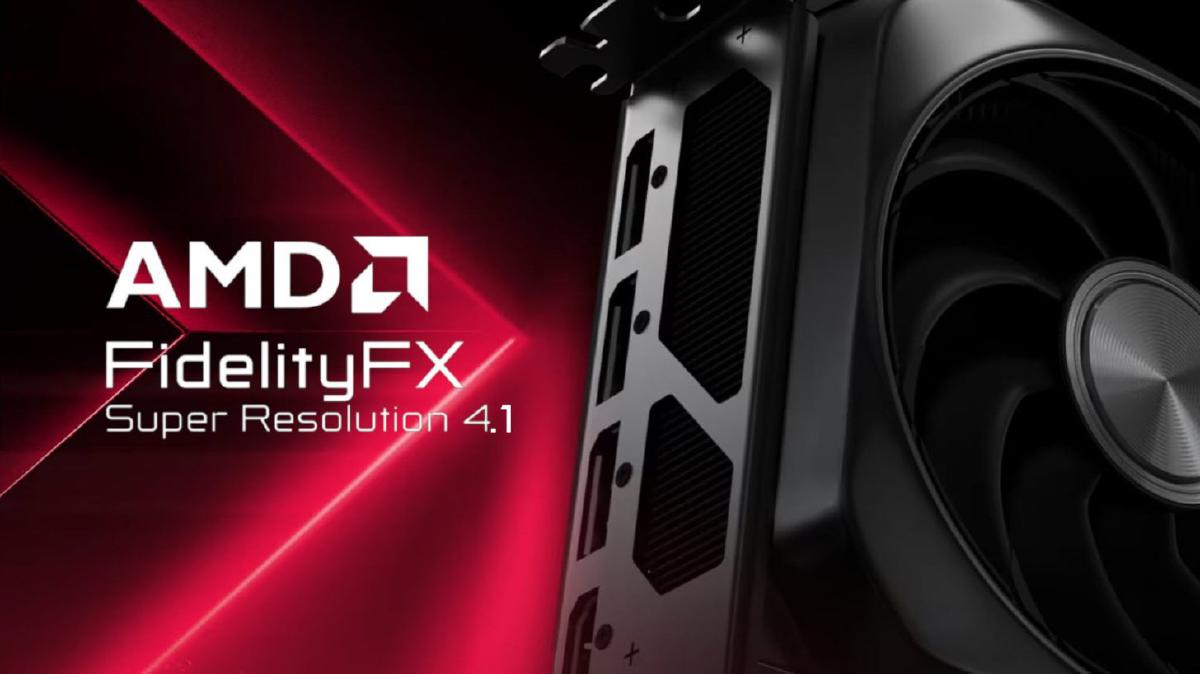
In a promising development for gamers and developers alike, AMD’s FidelityFX Super Resolution (FSR) 4 technology is reportedly now compatible with its RDNA 3 GPUs. This compatibility comes through Valve’s Proton Experimental branch, which provides an unofficial method for running this cutting-edge upscaling technology on Radeon RX 7000 series graphics cards. As first reported by Wccftech, this update marks a significant leap for gamers using AMD’s hardware on Linux platforms.
Previously, FSR 4 was anticipated to be exclusive to AMD’s upcoming RDNA 4 architecture. However, the recent news that it will also be available for older RDNA 3 models opens the door for enhanced performance and visual fidelity in games across various platforms. By utilizing Valve’s Proton, which allows Windows games to run on Linux, AMD is not only expanding the reach of its technology but also supporting a vibrant and passionate Linux gaming community that has long sought better optimization and compatibility with popular titles.
The introduction of FSR 4 to RDNA 3 GPUs provides a valuable tool for developers looking to maximize the performance of their games while maintaining high graphical quality. For players, this means that many existing titles can potentially see improved frame rates and reduced latency, enhancing the overall gaming experience. The upscaling technology is designed to work seamlessly with DirectX and Vulkan, ensuring a smooth transition for gamers migrating to Linux or looking to boost their current setups.
Moreover, this advancement reinforces AMD’s commitment to providing robust support for its hardware, even as the industry prepares for the next generation of GPUs. By enabling older models to access newer technologies, AMD is fostering an inclusive environment for gamers who may not be able to upgrade their hardware immediately.
As we look towards the future of gaming, the collaboration between AMD and Valve highlights the importance of cross-platform compatibility. It also demonstrates how smaller developers and niche communities can influence larger players in the industry. By prioritizing support for Linux, both companies are acknowledging the growing demand for diverse gaming experiences beyond traditional platforms.
In an age where graphics fidelity and performance are paramount, features like FSR 4 can significantly impact the quality of gameplay, particularly for indie titles that often rely on optimizing resources. Gamers can expect to see a flurry of updates from developers eager to implement this technology, potentially transforming the landscape of indie games on Linux.
This move by AMD could also inspire more developers to create and optimize their games for Linux, further enriching the ecosystem. As more gamers adopt Linux and look for efficient hardware solutions, the implications for future titles could be vast.
For AMD users and Linux enthusiasts, this news is a welcome boon. With FSR 4 now accessible on RDNA 3 GPUs, the potential for enhanced gaming experiences is brighter than ever. Whether you’re a casual gamer or a dedicated developer, the advancements brought by this collaboration should not be overlooked.
About AMD: Known for its cutting-edge processors and graphics solutions, AMD is a leading force in the computer hardware industry. The company has focused on developing technologies that enhance gaming performance, catering to both high-end consumers and the burgeoning indie game market.
Image credit: Wccftech
This article was generated with AI assistance and reviewed for accuracy.