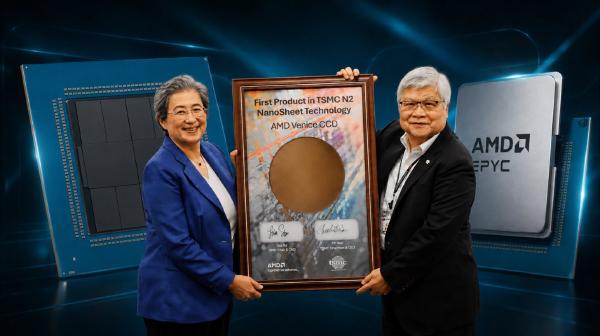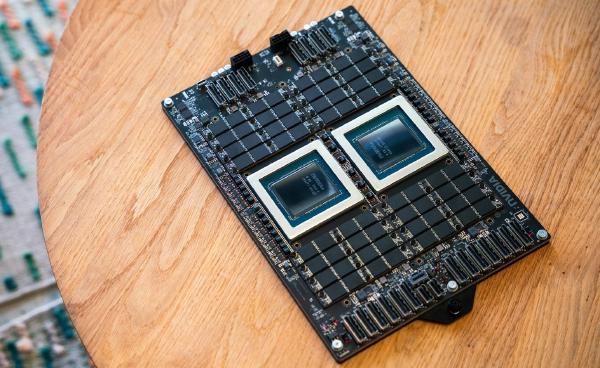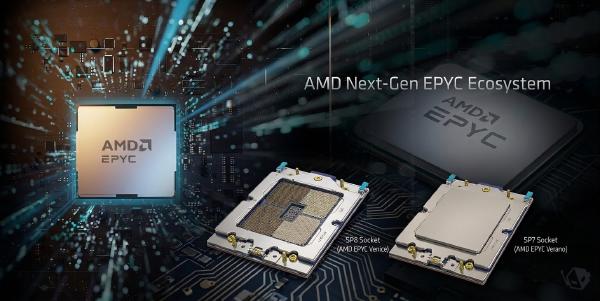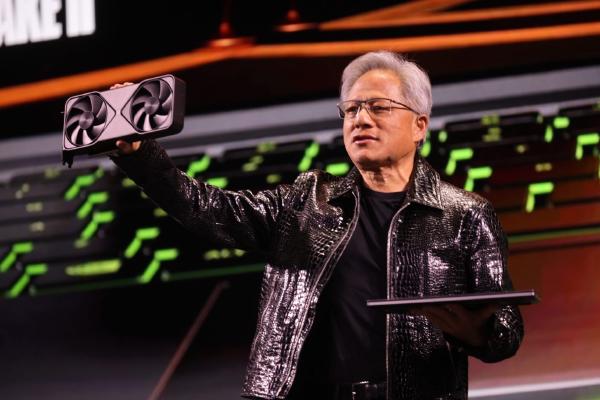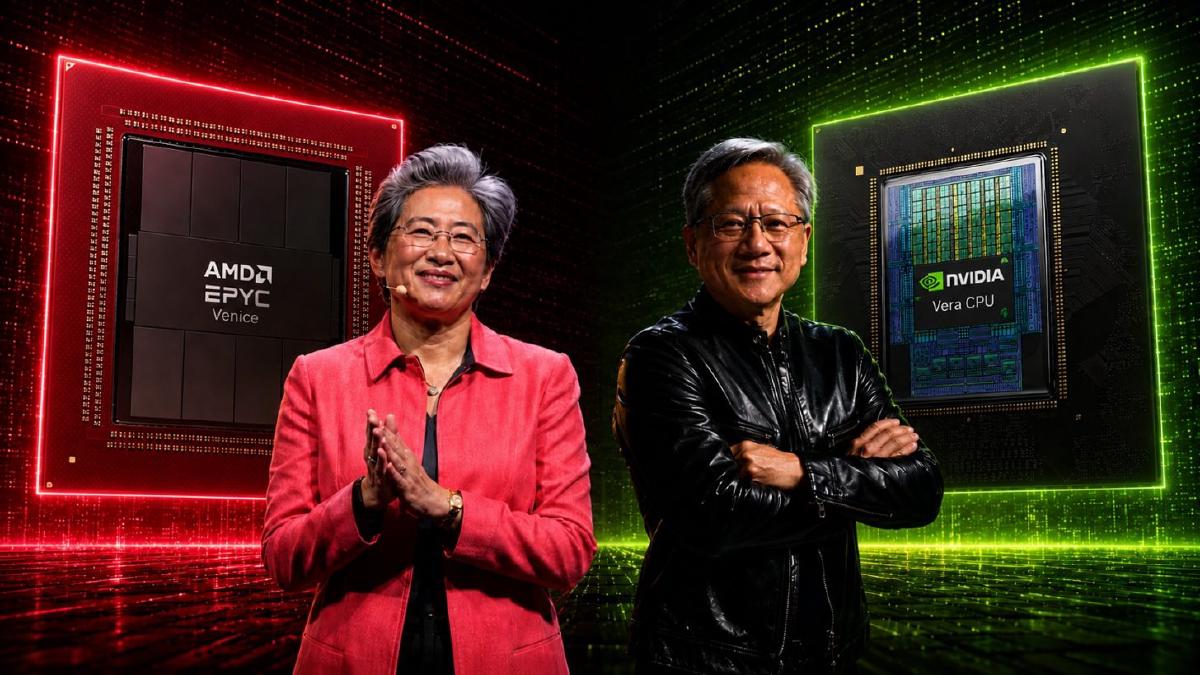
AMD’s EPYC Venice CPUs could outpace NVIDIA’s Vera models by 2027, a recent report from Morgan Stanley indicates. The report highlights that while NVIDIA is expected to maintain its position as TSMC’s largest customer, the demand for AMD’s EPYC Venice chips will surpass that of its competitor’s Vera line. As first reported by Wccftech, this shift comes amid a growing interest in advanced packaging technologies, particularly in the wake of the booming Agentic AI sector.
The tech landscape has been anything but stable in 2026, with fluctuations impacting various segments, including CPUs. As the demand for high-performance processors intensifies, TSMC has noted a surge in the use of 2.5D advanced packaging technologies. This method allows for improved performance and efficiency, making it particularly appealing for developers looking to push the boundaries of what’s possible with AI.
AMD’s EPYC Venice is gaining momentum, likely due to its impressive performance metrics and compatibility with advanced workloads. While NVIDIA’s Vera CPUs have been a formidable competitor, the growing interest in AMD’s offerings could signal a significant shift in market dynamics. Analysts suggest that the rise of Agentic AI is fueling this demand, as companies seek powerful processors capable of handling complex AI tasks.
Looking ahead to 2027, the competition between AMD and NVIDIA appears to be heating up. While NVIDIA’s entrenched position may give it an edge, the rapid innovation coming from AMD could level the playing field. The anticipated increase in EPYC Venice units sold,projected to reach 6.75 million,compared to an estimated 5.75 million for NVIDIA’s Vera, suggests a significant shift in favor of AMD.
The tech industry is witnessing a remarkable transformation as companies adapt to new demands and technologies. As advanced packaging becomes increasingly important, both AMD and NVIDIA are positioned to capitalize on this trend. However, it will be crucial for AMD to maintain its momentum to realize the projections laid out by Morgan Stanley.
As the dust settles from 2026, all eyes will be on the semiconductor race leading into 2027. The battle between AMD and NVIDIA will not only shape the future of CPUs but will also have a profound impact on the broader tech landscape, particularly in sectors focused on AI and machine learning.
AMD, known for its innovation, continues to make significant strides in hardware development. The company has focused on creating powerful processors that cater to the increasing needs of data centers and enterprise users, establishing itself as a key player in the CPU market. With the EPYC Venice line, AMD is positioning itself not just as a competitor but as a potential leader in the next generation of computing technology.
Image credit: Wccftech
This article was generated with AI assistance and reviewed for accuracy.