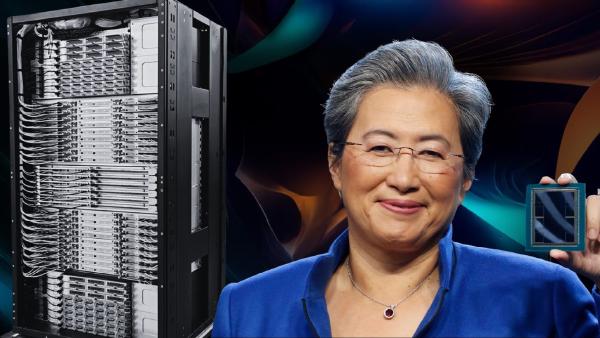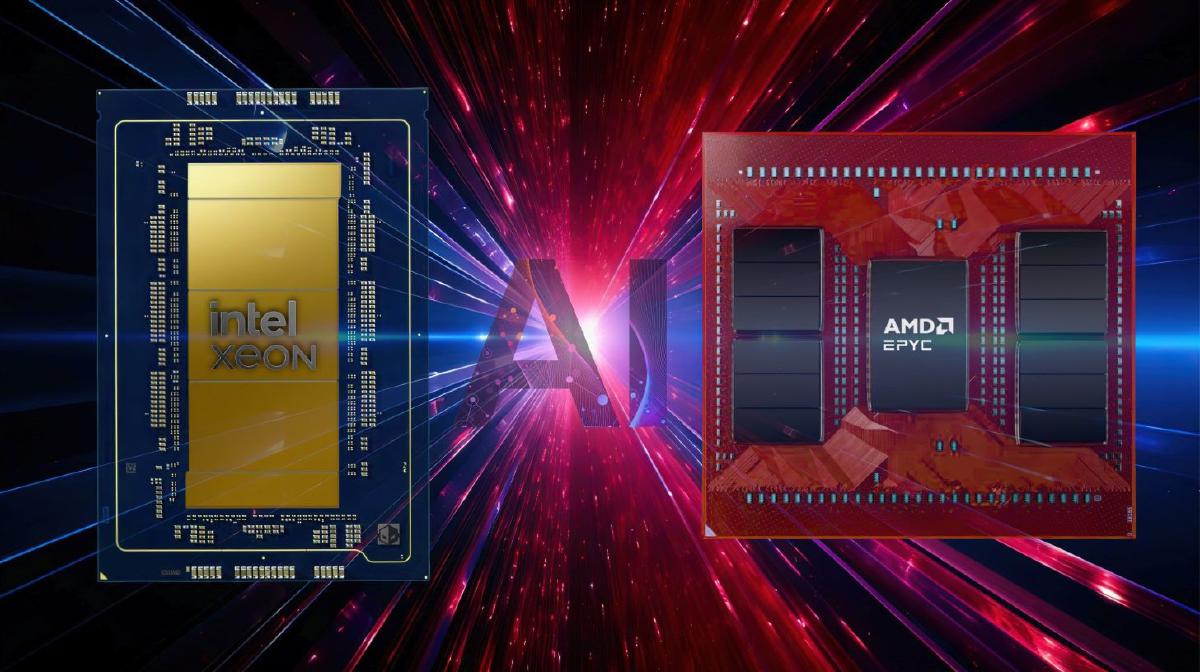
In an unprecedented shift in the data center landscape, AMD has reported a significant surge in revenue, overtaking Intel for the first time in the first quarter of this year. This milestone is largely attributed to the growing demand for AMD’s EPYC CPU line, which has become a preferred choice among hyperscalers amid an evolving technological landscape. As first reported by Wccftech, both AMD and Intel are experiencing heightened demand, yet AMD has managed to carve out the largest share of the market.
The rise of Agentic AI is reshaping the data center landscape, prompting companies to invest heavily in CPU technology. Unlike previous trends that favored GPU architectures for AI workloads, there is a noticeable pivot towards CPUs, particularly AMD’s EPYC series. This shift is indicative of a broader trend where organizations are prioritizing efficient processing capabilities for their AI applications, which has been a boon for AMD.
The data points from DigiTimes reveal that AMD’s EPYC CPUs have garnered substantial interest due to their competitive pricing and performance benchmarks. The EPYC series is known for its multi-core capabilities, which play a critical role in handling the demanding workloads associated with AI and machine learning tasks. With the increasing reliance on data processing and the need for enhanced server capabilities, AMD’s strategic positioning is proving fruitful.
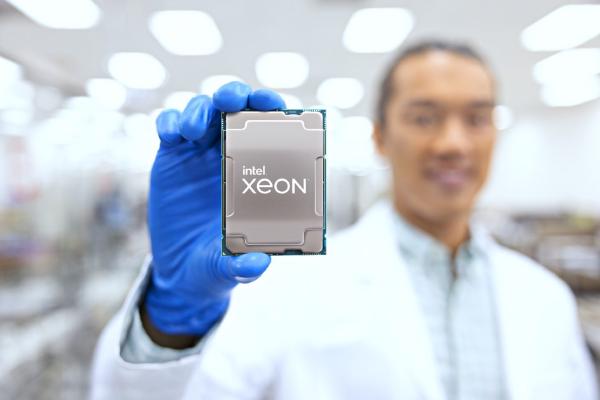
While Intel continues to hold a strong presence in the market, its recent challenges have opened the door for AMD. Intel’s Xeon processors have traditionally been staples in data centers, but issues such as production delays and competition in innovation have hampered its growth. In contrast, AMD has leveraged its ability to deliver high-performance CPUs, which are not only cost-effective but also provide excellent power efficiency,a key factor for large-scale data center operations.
As companies race to implement AI technologies and optimize their infrastructures, AMD’s success is emblematic of the broader shifts occurring within the tech industry. The demand for robust processing power means that data centers are not just looking for raw performance but also for solutions that can efficiently handle the complexities of modern applications.
In the context of the ongoing arms race between AMD and Intel, this recent development serves as a critical indicator of where the market is heading. With both companies poised to benefit from increasing investments in AI and data processing technologies, the competition is expected to intensify in the coming quarters.
Looking ahead, the landscape for data center CPUs will likely continue to evolve. Both AMD and Intel are investing heavily in R&D to refine their offerings, particularly as the need for more sophisticated AI applications grows. The outcome of this rivalry will not only impact the respective companies but also set the stage for the future of data processing technologies.
AMD is a well-regarded semiconductor company known for its microprocessors, graphics cards, and other computing technologies. The EPYC CPU line is specifically designed for data centers, showcasing AMD’s commitment to high performance and efficiency in an increasingly competitive market.
Image credit: Wccftech
This article was generated with AI assistance and reviewed for accuracy.