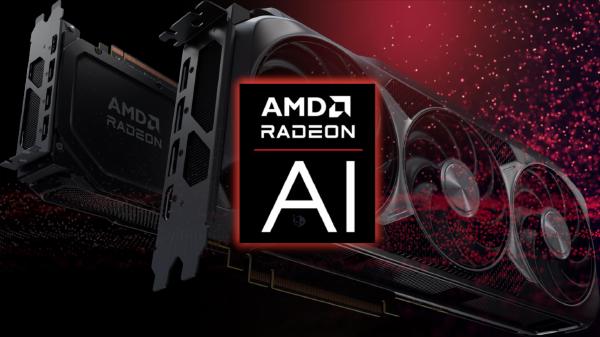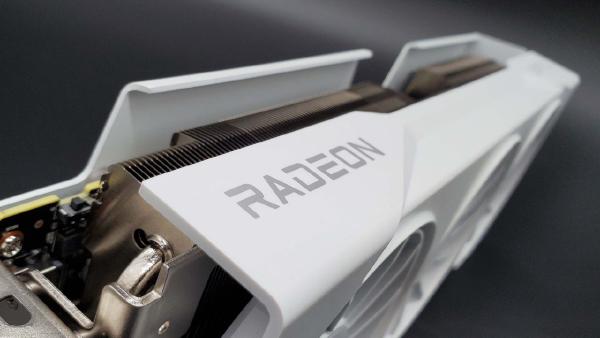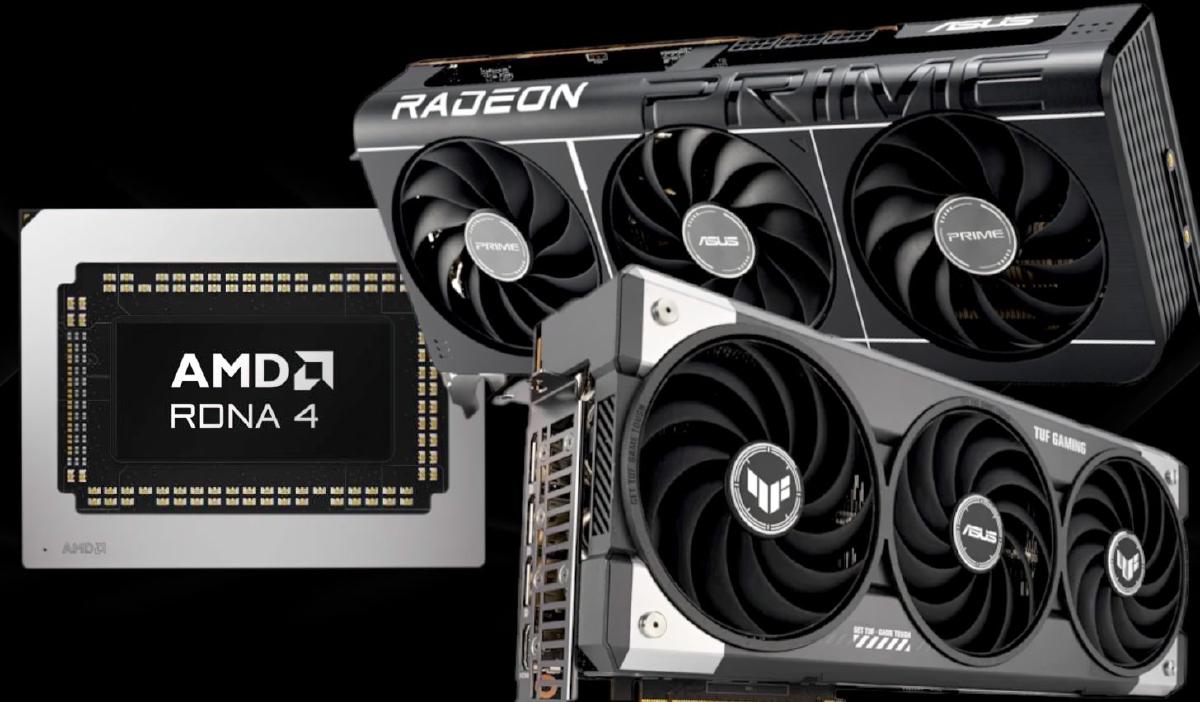
AMD is reportedly preparing to raise the prices of its Radeon RX 9000 series graphics cards by 10-15%. This anticipated hike comes as the DRAM market continues to experience significant price increases. As first reported by Wccftech, these changes are part of a troubling trend that has seen major GPU manufacturers and their partners adjusting prices for their products over the past six months.
The RX 9000 series has garnered attention for its performance capabilities, yet the ongoing component shortages and rising production costs are now putting pressure on AMD to reconsider its pricing strategy. This decision reflects a broader challenge in the industry, where supply chain issues and increasing costs for materials are becoming commonplace.
Industry analysts have noted that the rise in DRAM prices is particularly concerning. DRAM, or Dynamic Random-Access Memory, is a crucial component in graphics cards, affecting everything from performance to availability. As costs continue to climb, it has a cascading effect on the entire GPU market, making it harder for both manufacturers and consumers.
NVIDIA, a main rival in the graphics card space, is reportedly maintaining its current pricing strategy for now. This could position them advantageously if AMD’s price hikes lead gamers and creators to reconsider their buying decisions. The disparity in pricing strategies could further impact the market, especially among budget-conscious gamers or those looking to upgrade their setups without breaking the bank.
AMD’s RX 9000 series has been well-received for its competitive performance and features, such as ray tracing capabilities. However, as prices rise, consumers may be forced to weigh the benefits against their budgets. The last few months have seen gamers grappling with inflated costs, making the decision to upgrade more difficult than ever.
As the situation evolves, it raises critical questions about the sustainability of current GPU pricing models. With many gamers still recovering from the effects of previous price hikes in the wake of cryptocurrency mining booms and supply shortages, another increase could have serious implications for AMD’s market position.
is undoubtedly anxious about how these developments will affect their purchasing power and the overall landscape of gaming hardware. There is palpable frustration among enthusiasts who have watched prices soar while experiencing a lack of availability. Many are hoping for stability and a return to more reasonable pricing as the market begins to recover from its turbulent past.
In light of these ongoing shifts, AMD will need to communicate its value proposition effectively to retain consumer confidence and interest in its products. Competitive performance has always been a strong selling point, but with potential price increases looming, convincing gamers that their products are worth the cost could be a significant challenge.
AMD, known for its innovative approach to graphics and processing technology, has long been a strong player in the PC gaming market. Their continued evolution and adaptability will be critical as they navigate these pricing challenges in the coming months. As we watch this situation unfold, it’s clear that the future of gaming hardware pricing remains uncertain, leaving many gamers eager for clarity and stability.
Image credit: Wccftech
This article was generated with AI assistance and reviewed for accuracy.