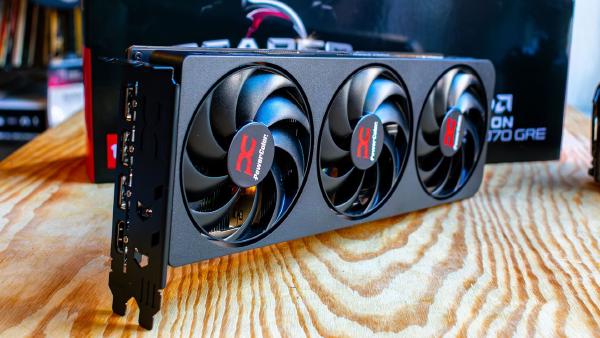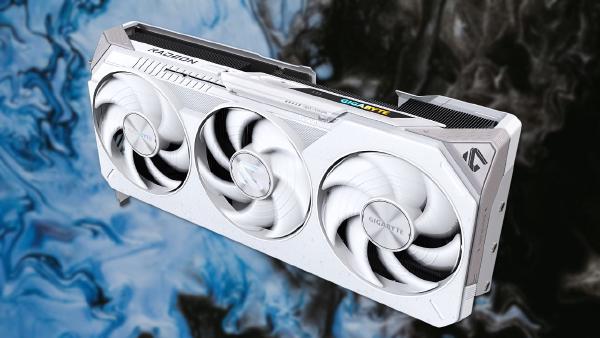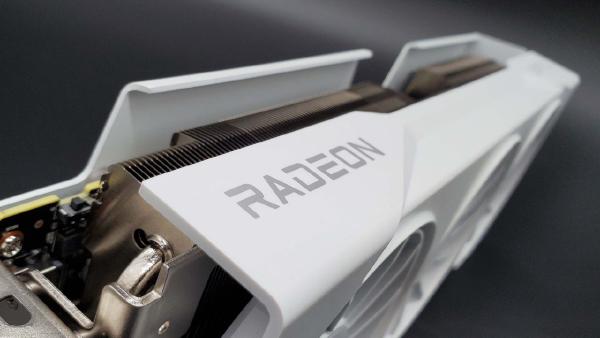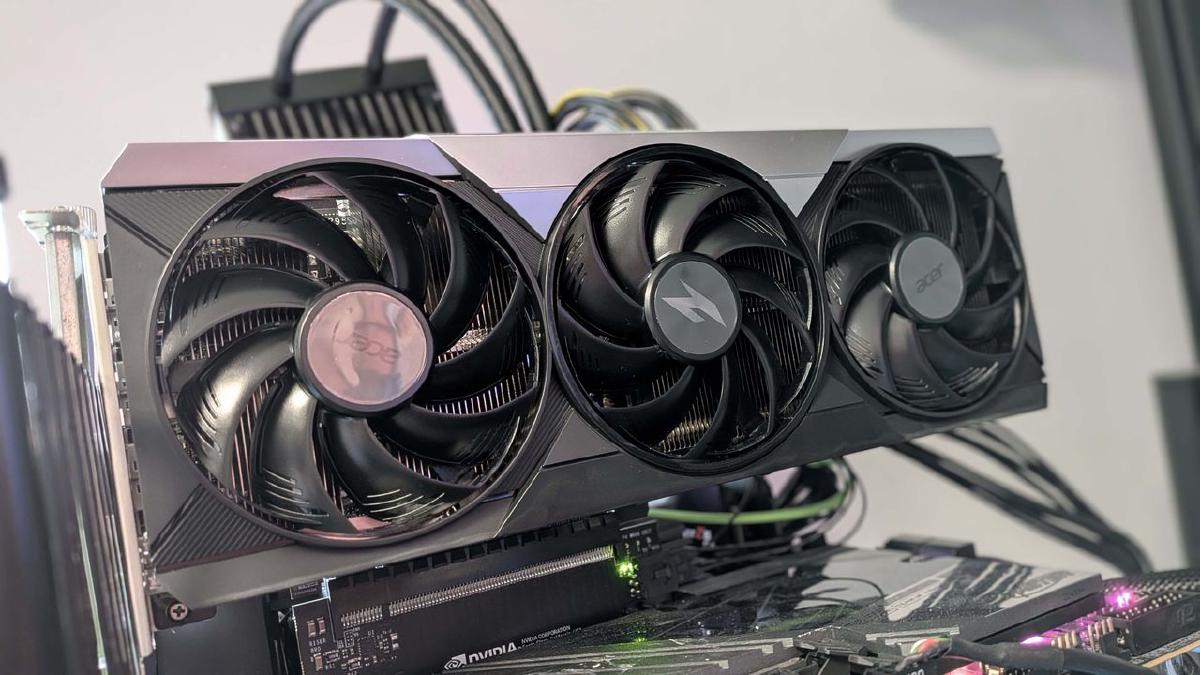
AMD is preparing to raise prices on its GPU and VRAM bundles sold to manufacturers, a move that could have widespread implications for consumers. As first reported by PC Gamer, the anticipated price hike is expected to affect the overall cost of graphics cards in the market, potentially leading to higher retail prices for gamers and creators alike.
Sources indicate that the price adjustments are due to a combination of rising production costs and increased demand for high-performance graphics solutions. Graphics cards have already seen price fluctuations in recent years, largely driven by market trends and supply chain challenges. With AMD’s latest price increase, consumers may soon feel the repercussions as manufacturers pass on these costs in the form of higher retail prices for their products.
This price adjustment comes at a time when the gaming sector is experiencing significant growth, driven by advancements in technology and an influx of new titles that demand robust graphical capabilities. With next-generation consoles and PC gaming setups becoming more powerful, the demand for high-quality GPUs remains on the rise. However, as production costs increase, manufacturers may find it challenging to keep prices competitive.
AMD’s decision to raise prices is particularly noteworthy considering the competitive landscape of the GPU market. NVIDIA, AMD’s primary competitor, has also faced its own challenges with supply and pricing. Both companies are vying for dominance in a market that has seen significant consumer interest, especially in the realms of gaming and content creation. As part of its strategy, AMD has been focusing on bolstering its product offerings to compete against NVIDIA’s high-end graphics solutions, which could further influence pricing dynamics as both companies navigate the current economic climate.
Industry analysts suggest that the price increase may not solely be a reflection of AMD’s internal decision-making but could also be influenced by broader market conditions. Factors such as semiconductor shortages and transportation costs have affected many sectors, including technology and gaming. As a result, manufacturers are forced to adjust their pricing to maintain profit margins while trying to meet consumer demand.
In light of these developments, consumers looking to upgrade their graphics capabilities should prepare for potential price increases when purchasing new hardware in the coming months. Gamers and professionals using demanding applications may need to assess their budgets and consider making purchases sooner rather than later to avoid the sting of elevated prices.
AMD has established itself as a key player in the PC gaming arena, known for its innovative products and competitive pricing. The company has made significant strides in recent years, particularly with its Ryzen and Radeon series, gaining a loyal following among gamers and PC builders. As AMD continues to adapt to the evolving market, its pricing strategies will be closely monitored by both consumers and competitors alike.
Image credit: PC Gamer
This article was generated with AI assistance and reviewed for accuracy.