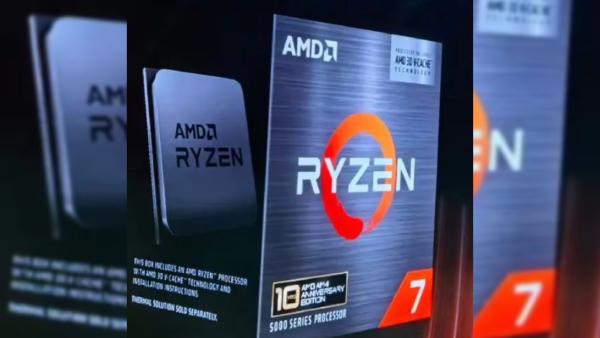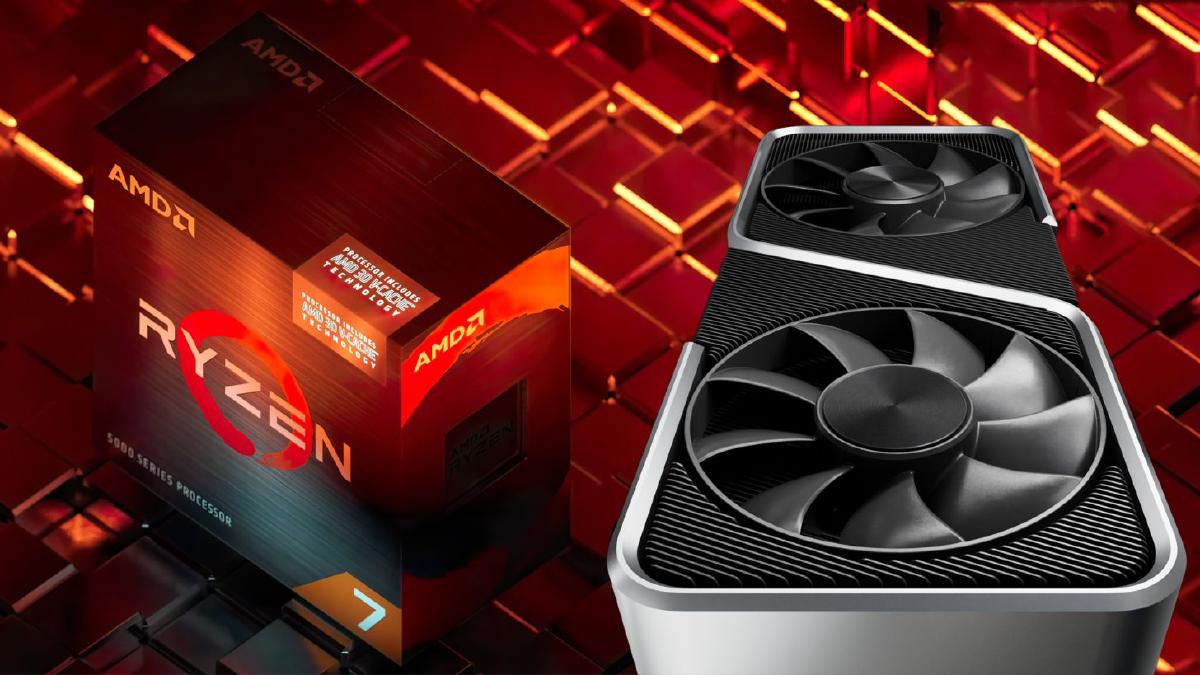
In a move that underscores the ongoing struggles in the PC gaming hardware market, AMD’s Ryzen 5800X3D and NVIDIA’s GeForce RTX 3060 are set to make a return to shelves. This relaunch, as first reported by Wccftech, raises questions about the industry’s current trajectory and the implications for PC gamers looking for modern performance.
The Ryzen 7 5800X3D, a processor celebrated for its gaming prowess, was discontinued less than a year ago. Its reintroduction suggests that, despite advancements in technology, manufacturers are leaning toward older, proven platforms to meet consumer demand. The AM4 socket, which has been in use for nearly a decade, has shown remarkable longevity, yet it begs the question of whether this reliance on outdated hardware is what enthusiasts truly want.
In recent years, the GPU and CPU markets have seen a significant shift. With the rise of next-gen consoles and an influx of budget-friendly gaming options, the pressure has mounted on traditional PC components. The RTX 3060, which initially launched to provide gamers with solid performance at a mid-range price, is now viewed as a relic that is being placed back in the spotlight to fill gaps in a sparse hardware landscape.
This trend of reviving older hardware raises concerns about innovation in the sector. While the Ryzen 5800X3D and RTX 3060 are still capable performers, returning to these models may signal a lack of new, groundbreaking products in the pipeline. Gamers are left wondering if the focus will shift back to developing next-gen components or if we’re going to continue seeing the recycling of existing ones.
The implications of this relaunch extend beyond just performance. For PC builders and gamers, it highlights a broader issue of availability and pricing in a market that has been hit hard by supply chain disruptions and economic uncertainties. As the demand for components remains high, prices for new hardware continue to rise, making the older models more appealing, even if they aren’t the cutting edge.
The return of the Ryzen 5800X3D and RTX 3060 may satisfy some gamers seeking to upgrade or build systems without breaking the bank. However, it also signifies a stagnation that the industry must address. Enthusiasts and casual gamers alike are increasingly eager for next-gen advancements, and relying on older models could lead to dissatisfaction and stagnation in the long run.
In summary, the relaunch of these two hardware staples serves as a stark reminder of the challenges facing the PC gaming market in 2026. As manufacturers navigate these turbulent waters, the hope remains that they will soon unveil innovative products that can push the boundaries of gaming performance, rather than retreating to the comforts of the past.
AMD, a leader in the CPU market, has consistently pushed the envelope with its Ryzen series, while NVIDIA remains the dominant force in graphics cards. Both companies have their work cut out for them as they attempt to navigate a market that seems increasingly reliant on the nostalgia of older hardware.
Image credit: Wccftech
This article was generated with AI assistance and reviewed for accuracy.