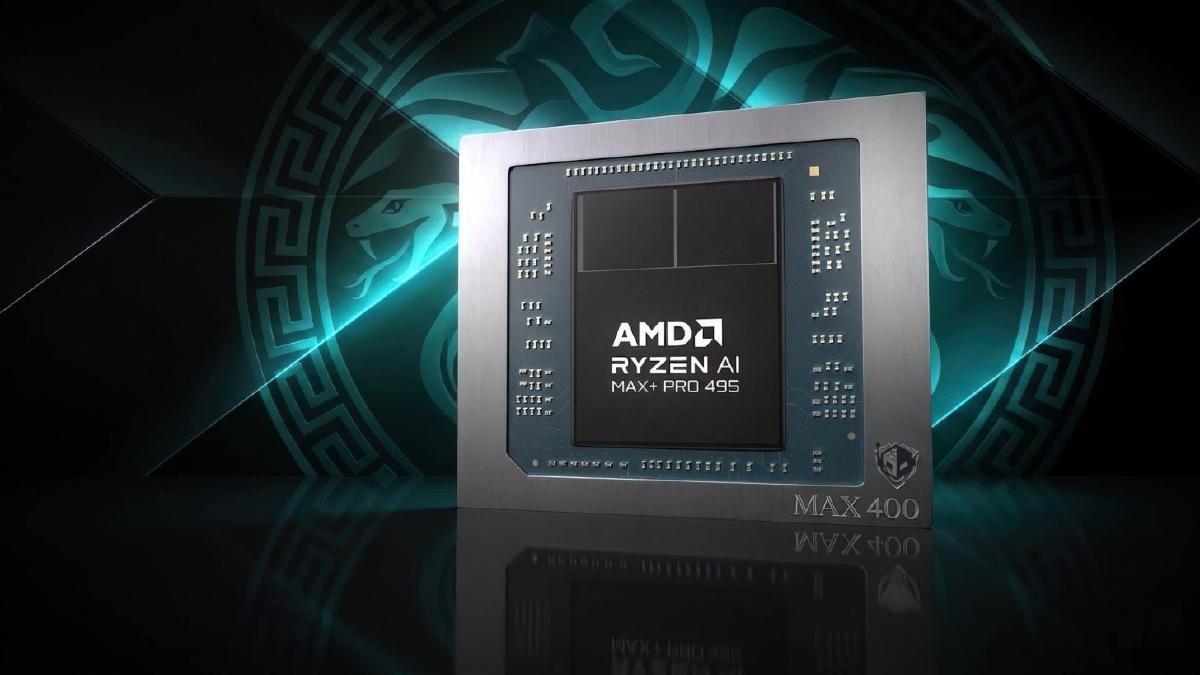
AMD is on the brink of introducing its new Ryzen AI Max PRO 400 series processors, with preparations ramping up as the company rolls out the latest version of its ROCm software. As first reported by Wccftech, the new ROCm 7.14 ecosystem now includes support for the forthcoming PRO series, providing developers with tools ahead of the official launch.
The Ryzen AI Max PRO 400 series, part of AMD’s Gorgon Halo platform, promises to enhance capabilities in artificial intelligence and machine learning applications. With ROCm 7.14, AMD aims to facilitate a smoother development process for programmers eager to leverage the advanced architecture of these new chips.
AMD’s ROCm software stack has been instrumental in making high-performance computing more accessible. The latest version not only integrates support for the Ryzen AI Max PRO 400 but also brings various improvements to the software ecosystem that developers can utilize. This update positions AMD to compete more vigorously in the AI space, especially as demand for AI-centric processing power continues to surge.
The Gorgon Halo platform is expected to appeal to a broad range of users, from indie developers to large corporations. The inclusion of ROCm 7.14 support means that innovators can start optimizing their applications for the new processors, ensuring they hit the ground running once the chips officially hit the market.
AMD’s commitment to supporting developers is evident in its ongoing efforts to refine the ROCm software. By providing developers access to cutting-edge tools and capabilities, AMD not only fosters innovation but also strengthens its position as a leading player in the AI hardware arena. The anticipation surrounding the Ryzen AI Max PRO 400 series is palpable, as many eyes are focused on how these new processors will perform in real-world applications.
In a landscape increasingly dominated by AI-driven technology, AMD’s proactive approach could give it an edge over competitors. As developers begin to harness the power of the Gorgon Halo platform, the potential for groundbreaking applications and advancements in AI could be just around the corner.
AMD’s history in the semiconductor industry, marked by a spirit of innovation and a commitment to empowering developers, sets the stage for what many hope will be a transformational leap in AI processing power. As we await the official release of the Ryzen AI Max PRO 400 series, the excitement among tech enthusiasts and developers alike continues to build.
With ROCm 7.14 already in the hands of developers, the future looks promising for those ready to explore the capabilities of AMD’s latest advancements. As we move closer to the launch date, all eyes will be on how these systems can redefine what is possible in the field of AI development.
Image credit: Wccftech
This article was generated with AI assistance and reviewed for accuracy.