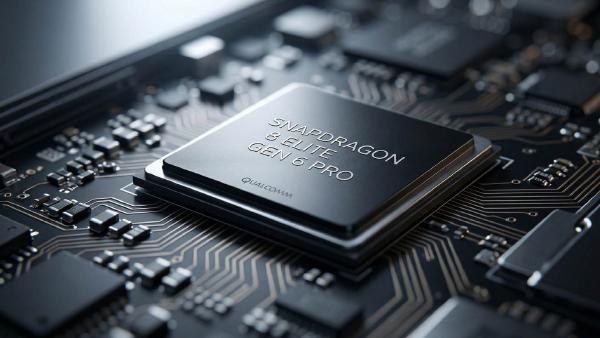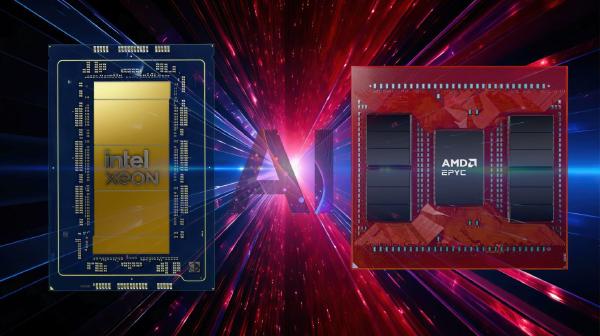
AMD is finding itself in a favorable position amid the ongoing slowdown in the smartphone industry. As first reported by Wccftech, the company is seeing increased success with its 5nm CPU offerings while major competitors Qualcomm and MediaTek are pulling back from their commitments to TSMC’s 4nm and 5nm production lines. This shift is largely attributed to a significant decline in smartphone demand, which has forced both firms to relinquish some of their reserved capacity.
The smartphone market is currently grappling with a chronic DRAM shortage, which has had a ripple effect across the industry. As manufacturers struggle with component shortages, the demand for new devices has declined. This has led Qualcomm and MediaTek, two of the largest players in the mobile semiconductor space, to reassess their production strategies and reduce their commitments to TSMC, one of the world’s leading semiconductor foundries.
In contrast, AMD’s established 5nm technology is yielding high outputs, allowing the company to capitalize on the situation. The semiconductor firm appears to be in a prime position to fill the void left by Qualcomm and MediaTek. With TSMC’s 5nm process node proving advantageous, AMD can leverage its robust CPU architecture, which is increasingly favored in segments beyond just smartphones, including gaming PCs and data centers.
The broader implications of this shift could be significant. AMD’s success in securing additional manufacturing capacity could lead to more competitive pricing and innovative features in its CPU lineup. As the company continues to enhance its market position, it may also encourage further investment in its technology and R&D efforts.
AMD’s recent gains come at a time when many industry analysts have expressed concerns over the overall health of the smartphone market. The recent downturn has affected not just the chip manufacturers, but also OEMs and consumers who are witnessing lower device availability and potentially rising prices due to supply constraints.
As Qualcomm and MediaTek streamline their operations to adapt to these changing market conditions, AMD is likely to seek partnerships and additional opportunities to expand its footprint. The current landscape provides a unique opportunity for AMD to strengthen its portfolio and challenge competitors that may now be operating at reduced capacity.
In summary, AMD’s ability to capitalize on the retreat of Qualcomm and MediaTek from TSMC’s production lines positions the company for significant growth. As the smartphone market continues to navigate its issues, AMD’s focus on high-yield manufacturing and innovative CPU designs could play a critical role in driving the company’s success in the coming months.
AMD, known for its Ryzen and EPYC processors, has made substantial strides in the CPU market over the past few years. With a focus on high-performance computing and data center solutions, the company has successfully challenged its competitors and expanded its influence in the tech world.
Image credit: Wccftech
This article was generated with AI assistance and reviewed for accuracy.