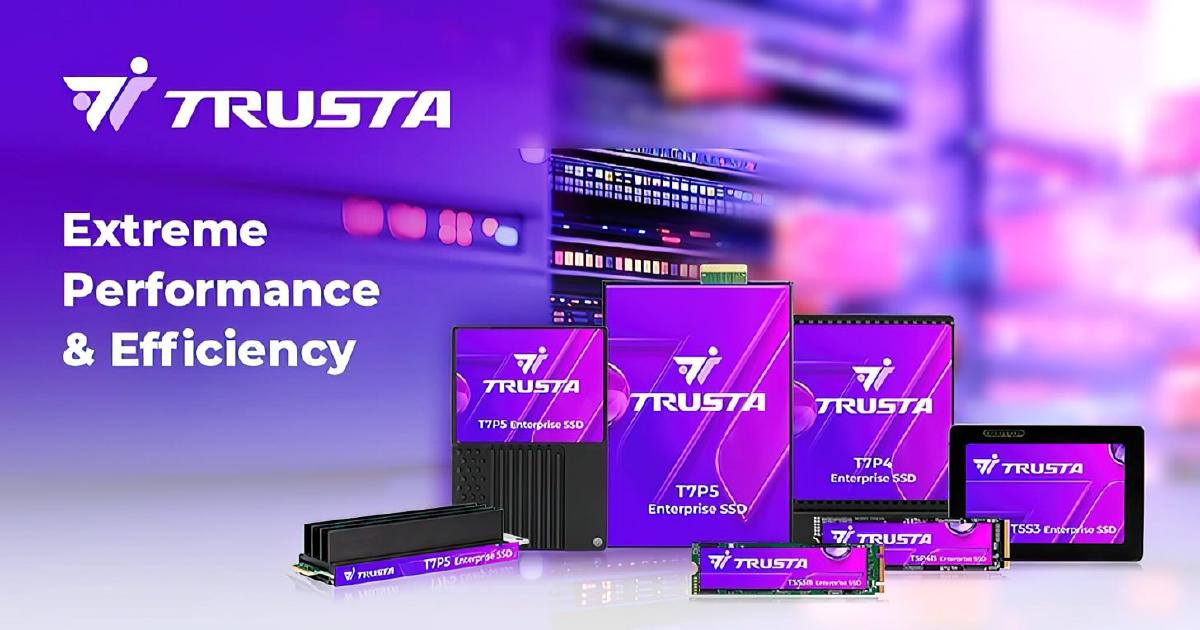
ADATA has unveiled a groundbreaking memory solution designed to tackle the limitations faced by GPUs in artificial intelligence (AI) inferencing. This new technology, dubbed Trusta, optimizes the usage of system memory and storage, such as solid-state drives (SSDs), to dramatically improve performance while significantly reducing costs for enterprise deployments. As first reported by Wccftech, this innovation is set to reshape how AI models are run and managed across various computing environments.
The AI landscape is experiencing unprecedented growth, with increasing demands for more robust memory capacity on GPUs. As businesses expand their AI capabilities, the need for efficient memory solutions has become critical. Trusta addresses this challenge by deploying AI models across multiple GPUs, system memory, and SSDs, effectively mitigating the bottlenecks caused by limited video RAM (VRAM).
Recent trends suggest that the market is struggling to keep pace with the surging demand for AI applications. Many firms rely heavily on complex AI workflows, which often outstrip the available memory on traditional GPU setups. ADATA’s Trusta seeks to remedy this issue by facilitating a more efficient distribution of workloads. This means that instead of being confined to the memory limitations of a single GPU, AI models can be spread across available resources, leveraging both DRAM and SSDs.
By optimizing the use of system memory alongside GPU resources, Trusta not only boosts the performance of AI inferencing but also cuts implementation costs by over 50%. This reduction in deployment expense is particularly appealing to organizations looking to adopt or upgrade their AI capabilities without incurring prohibitive expenses.
The implications of Trusta’s deployment extend beyond just cost savings. The performance benefits could potentially lead to faster AI model training and execution, which is crucial in applications ranging from natural language processing to computer vision. As AI technology continues to evolve, solutions like ADATA’s Trusta will be essential for companies that aim to stay competitive in this fast-paced environment.
Moreover, the advent of Agentic AI workflows has introduced new complexities to how AI systems operate, further increasing the demand for scalable memory solutions. By enabling a more fluid integration of various memory components, Trusta positions itself as a vital tool for enterprises navigating these changes.
In terms of technical specifications, Trusta integrates seamlessly with existing hardware setups, allowing users to maximize their current systems without the need for extensive overhauls. This feature makes it attractive for businesses that have already invested in GPU and memory technology but are seeking to enhance their capabilities without significant additional expenditure.
As companies increasingly rely on AI to drive innovation, the reliability and efficiency of their underlying technology will be paramount. ADATA’s Trusta presents a compelling answer to some of the most pressing challenges in AI deployment today. By overcoming GPU bottlenecks and lowering costs, this memory solution may play a pivotal role in the ongoing evolution of AI technology and its applications across various sectors.
ADATA is a prominent name in the memory and storage solutions market, known for delivering innovative products that cater to the needs of both consumers and enterprise clients. With Trusta, the company continues its commitment to enhancing technological performance and efficiency in an increasingly AI-driven world.
Image credit: Wccftech
This article was generated with AI assistance and reviewed for accuracy.