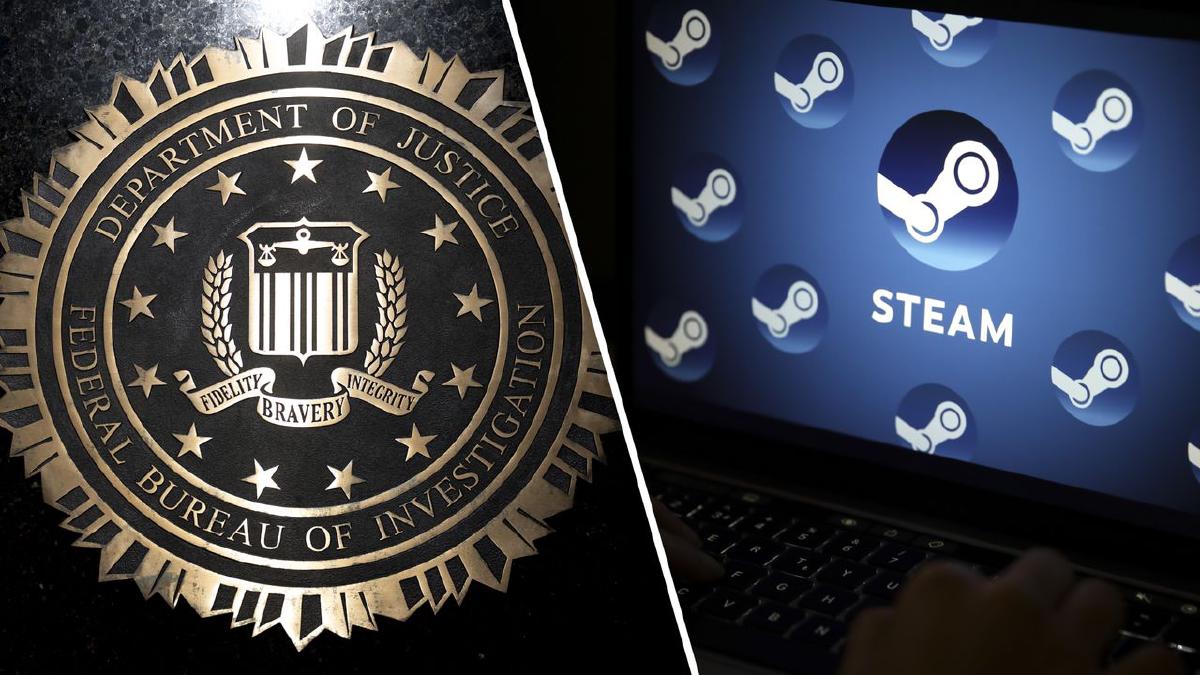
The FBI has arrested a 21-year-old individual accused of orchestrating a scheme that allegedly siphoned off $200,000 through malware-infected Steam games. This unusual case has raised eyebrows within and prompted discussions about cybersecurity in online gaming environments.
As first reported by PC Gamer, the suspect is believed to have created malicious copies of popular titles available on Steam, a widely used platform for digital game distribution. These infected games were then sold to unsuspecting users, allowing the perpetrator to gain access to their personal and financial information without their knowledge.
Reports indicate that the stolen funds were primarily funneled into UberEats gift cards, a method that allowed the suspect to convert the cash into something less traceable. This choice of spending demonstrates a level of sophistication, as many would think that gift cards are a safe way to hide illicit activities. However, the FBI was able to trace the transactions back to the suspect.
The investigation highlights a concerning trend in online gaming, where the intersection of malware and popular platforms like Steam poses significant risks to players. As more gamers invest their time and money into indie titles and larger franchises alike, the importance of cybersecurity measures cannot be overstated. Many developers are working hard to provide players with safe experiences, but incidents like this remind us that vigilance is crucial.
The arrest serves as a reminder that while gaming is a source of entertainment and community-building, it is also susceptible to the darker side of the internet. Developers, players, and platform holders must continue to collaborate on creating safer environments and addressing potential vulnerabilities.
In an era when indie developers are breaking new ground with innovative titles, it is essential to protect both their creations and the players who support them. The gaming industry thrives on trust and community, and incidents like this can shake that foundation. However, there are also opportunities here to reinforce security measures and educate the player base about the risks involved in online transactions.
As this story unfolds, it is crucial for players to remain aware of the potential threats lurking in the digital realm. Cybersecurity should not be an afterthought, especially as we continue to embrace indie and smaller titles that expand the boundaries of gaming.
This case also brings attention to the significant challenges faced by both developers and players when navigating a landscape rife with potential pitfalls. As the industry evolves, we can only hope that collective efforts lead to a safer and more enriching experience for everyone involved.
For those unfamiliar, Steam is a leading platform for PC gaming, featuring a wide array of indie and mainstream titles. The platform has become a vital space for developers to reach audiences, and protecting its integrity is essential for fostering innovation and creativity. Meanwhile, indie studios continue to deliver unique gaming experiences, often at risk of cyber threats like those highlighted in this case. As we support these smaller developers, let us also advocate for stronger security measures to ensure a safe gaming environment for all.
Image credit: PC Gamer
This article was generated with AI assistance and reviewed for accuracy.