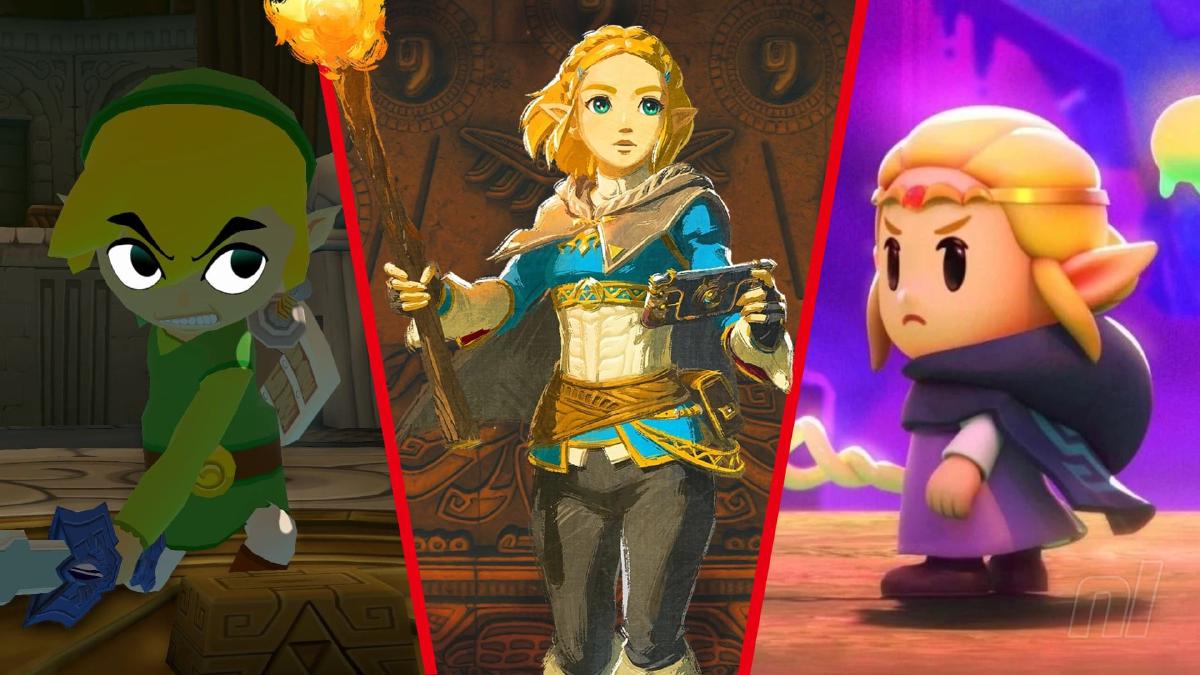
As first reported by Nintendo Life, fans of The Legend of Zelda series are debating a significant question: how crucial is the narrative component in the overall experience of the game? The series, which has captivated players for over 40 years and spans 21 mainline titles, certainly has its share of iconic elements, from dungeons and bosses to mind-bending puzzles. Yet, it seems the story often takes center stage in discussions among gamers.
The Legend of Zelda has consistently delivered an engaging world, but the depth of its narrative has varied significantly across titles. While some fans might prioritize the thrill of exploration and puzzle-solving, others find that the storyline is what truly pulls them into the expansive realm of Hyrule. The series’ rich lore, featuring timeless characters like Link, Zelda, and Ganon, has allowed for a captivating narrative tapestry that players have followed through decades of games.
Take “Breath of the Wild,” for instance. Released in 2017, it not only reinvented the franchise with its open-world mechanics but also included a narrative that had fans questioning their motives and allegiances. The game provided glimpses into the past through memory sequences, allowing players to piece together the story of Hyrule and its fall. This blend of exploration and storytelling created an emotional connection to the world and its characters, raising the stakes for many players who found themselves invested in Link’s journey.
Conversely, older titles like “The Legend of Zelda: Ocarina of Time” presented a more traditional narrative structure. While it introduced players to a rich adventure and iconic moments, many gamers remember it for its intricate dungeons and challenging puzzles rather than the storyline itself. This range of storytelling, from minimal to grandiose, has sparked conversations about what makes a Zelda game memorable. Is it the gameplay mechanics, the art design, or the story that leaves a lasting impact?
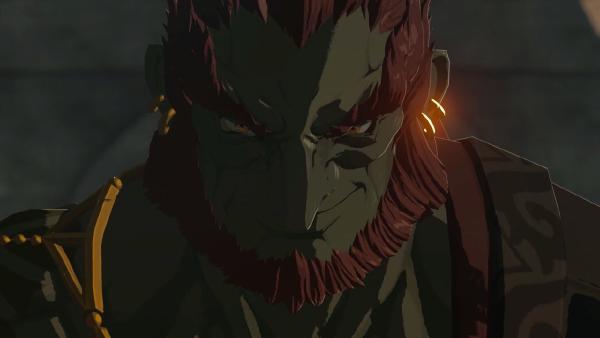
Indeed, the series has evolved in its narrative significance as game design has progressed. Some might argue that as players become more sophisticated, a deeper story becomes essential. Recent entries, such as the critically acclaimed “Tears of the Kingdom,” continue to explore narrative depth while pushing gameplay boundaries. Fans are now more interactive participants in the story, and this shift has further blurred the lines between gameplay and narrative.
The debate raises larger questions about the role of storytelling in gaming overall. Just as the film industry combines visual storytelling with sound and performance, video games have the unique opportunity to immerse players in both narrative and action. In the case of Zelda, some gamers might prioritize the freedom to explore and conquer, while others find themselves drawn into the emotional journey the series offers.
As fans continue to engage in this dialogue about the importance of story within the Legend of Zelda franchise, it’s clear that both gameplay and narrative play significant roles in the series’ legacy. The balance between these elements is what has allowed the Zelda games to endure and evolve, keeping players coming back for more.
Ultimately, whether one plays for the story, the gameplay, or a combination of both, the heart of the Zelda series lies in its ability to unite players through unforgettable adventures across the land of Hyrule.
The Legend of Zelda series, developed by Nintendo, has been a cornerstone of Japanese gaming culture, seamlessly blending exploration, puzzles, and rich storytelling for decades.
Image credit: Nintendo Life
This article was generated with AI assistance and reviewed for accuracy.