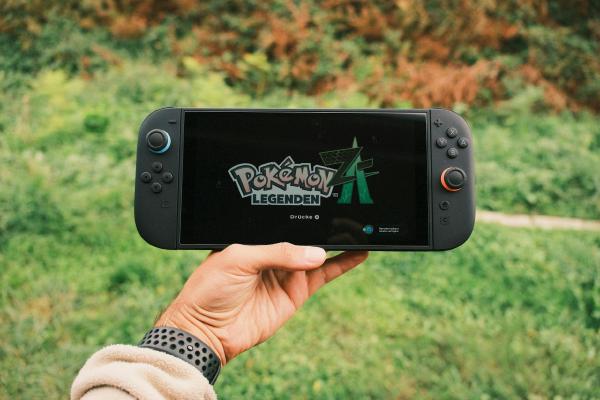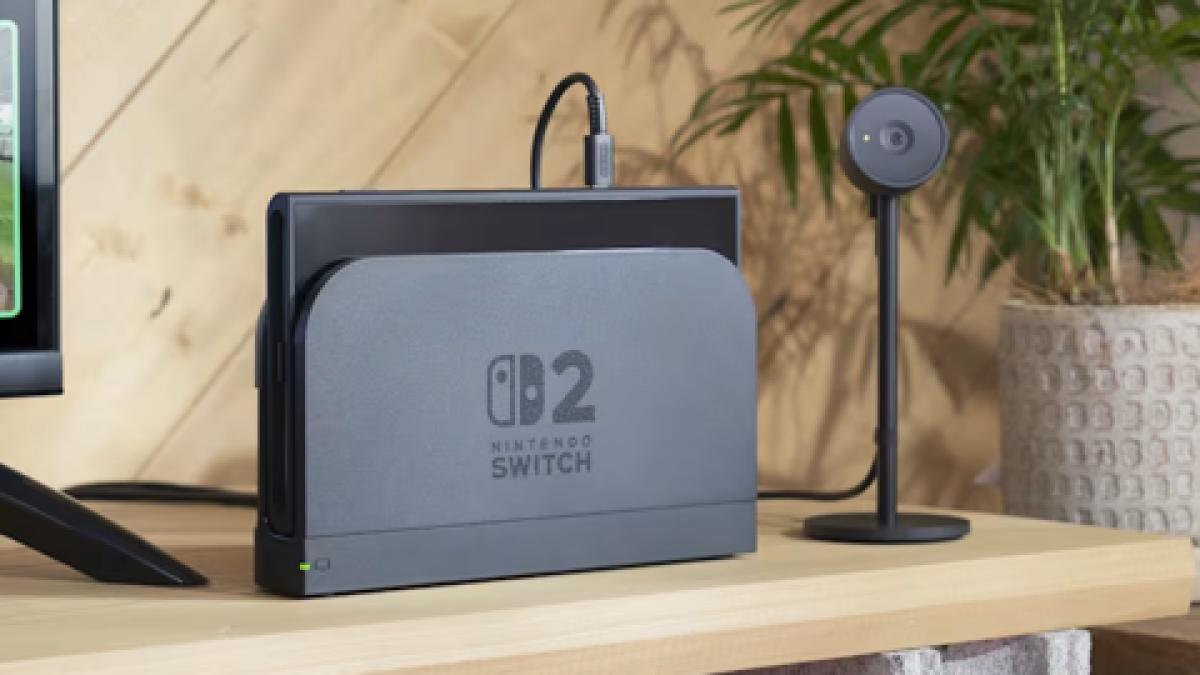
Nintendo’s Switch 2 has soared in popularity, boasting impressive sales figures in the United States that are 45% higher than the original Switch during the same four-month period. This rapid uptake places it among the fastest-selling consoles in history, capturing the attention of gamers and analysts alike. As first reported by GameSpot, the figures paint a promising picture for the console in the American market.
However, the success story has a twist. Recent reports have surfaced indicating that, despite its robust performance domestically, Switch 2 sales have not met expectations in certain overseas markets. Nintendo acknowledged this in a February update, hinting that while U.S. consumers are embracing the new hardware, demand in other regions has been less enthusiastic.
The situation took a further turn when Bloomberg reported that Nintendo plans to cut production of the Switch 2 by 30%. This decision stems from disappointing demand during the holiday season, a time typically characterized by peak sales for gaming devices. This dual narrative of soaring sales in one market and declining interest in others introduces an intriguing complexity to the console’s launch saga.
Nintendo has a storied reputation for its ability to pivot and adapt to market conditions, often finding ways to maintain its competitive edge. Yet, this recent shift raises questions about what the company anticipates for the Switch 2’s longevity and overall health in the global market. The contrasting performance between regions suggests that while some gamers are eager to adopt the new hardware, others may still be on the fence, perhaps due to pricing or existing commitments to the original Switch.
This situation poses a challenge for Nintendo, which has historically thrived on strong, consistent sales across its platforms. The company’s ability to address these discrepancies could determine not only the future of the Switch 2 but also its approach to game development and marketing strategies moving forward.
Amidst these developments, the gaming industry remains keenly interested in how Nintendo will respond. Will the company ramp up marketing efforts in underperforming regions? Could we see new game releases or bundles tailored to attract a broader audience? These are critical questions that lie ahead as Nintendo navigates the evolving landscape.
For many fans, the Switch 2 symbolizes more than just another console; it embodies the legacy of innovation that Nintendo is known for. The original Switch not only popularized hybrid gaming but also introduced a new wave of titles that have become classics. As the company looks to the future, maintaining that innovative spirit while adapting to market demands will be key.
As we continue to monitor the situation, it’s clear that the story of the Switch 2 is far from over. With significant sales in the U.S. and the challenges posed by slower international demand, Nintendo faces a crucial moment in reasserting its position in the gaming landscape. Only time will reveal how this will unfold and what it means for the iconic Japanese developer and publisher.
Nintendo, founded in 1889, has evolved from a playing card company into a powerhouse in the gaming industry, known for beloved franchises like Super Mario and The Legend of Zelda. The Switch 2 continues that legacy, aiming to engage both new players and loyal fans with its innovative design and capabilities.
Image credit: GameSpot
This article was generated with AI assistance and reviewed for accuracy.