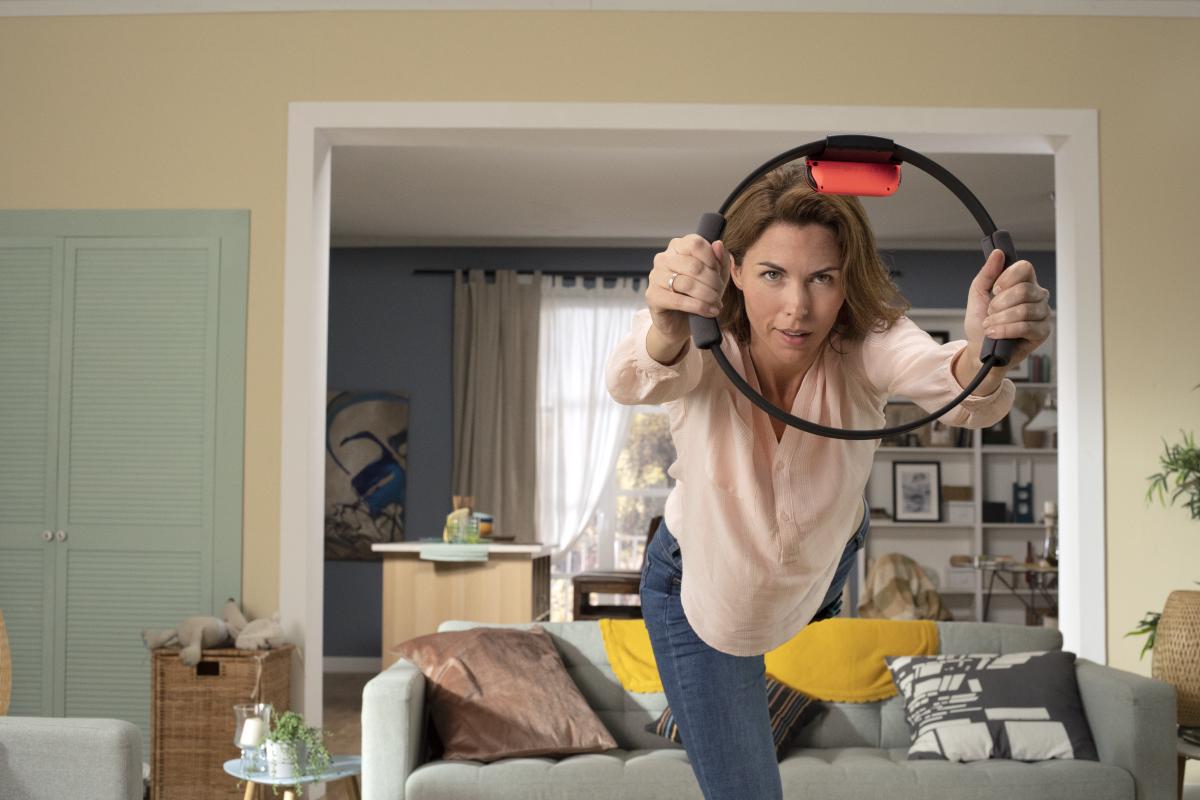
Recent research suggests that Nintendo’s popular fitness game, Ring Fit Adventure, could play a significant role in alleviating early symptoms of depression. As first reported by VGC, the study highlights the potential of “exergaming” as an engaging method for mental health support, particularly among younger audiences who may benefit from interactive and physical gameplay.
The study explored how integrating exercise with gaming can positively affect mental health outcomes. Ring Fit Adventure, which combines physical activity with role-playing game elements, encourages players to engage in fitness routines that are both enjoyable and rewarding. The game has seen a surge in popularity since its release, not just for its innovative gameplay but also for its ability to motivate players to stay active in a fun way.
Participants in the study reported feeling more energized and less anxious after engaging with Ring Fit Adventure. This finding underscores the potential of video games to serve as a bridge for those who may be reluctant to seek traditional forms of mental health support. By making exercise accessible and entertaining, games like Ring Fit Adventure can foster a more positive mindset in players, contributing to overall well-being.
The concept of “exergaming” isn’t new, but Ring Fit Adventure has taken it to another level with its combination of physical movement and immersive storytelling. The game tasks players with completing various fitness exercises to defeat opponents and progress through beautifully crafted worlds. Its unique approach allows players to experience the benefits of physical activity while enjoying a deeply ingrained narrative that often mirrors the personal journey of self-improvement.
Dr. Yuki Tanaka, a researcher involved in the study, emphasized the importance of such gaming solutions in modern mental health discussions. “Games like Ring Fit Adventure provide a non-intimidating way for individuals to engage with physical activity, which in turn can have remarkable effects on mental health,” he explained. The results of this study could pave the way for more developers to consider incorporating health-related themes into their gaming designs.
Japan has long been a leader in the gaming industry, with companies like Nintendo at the forefront of innovation in both gameplay and player engagement. Ring Fit Adventure is not only a testament to Nintendo’s foresight but also shines a light on the broader conversation surrounding mental health in gaming. The rise of wellness-focused games may signal a shift in how developers approach game design, prioritizing player well-being alongside entertainment.
As gaming continues to evolve, the synergy between physical activity and mental health support seems increasingly promising. Nintendo’s commitment to creating experiences that resonate on multiple levels is clear, and with studies such as this, the conversation surrounding the therapeutic potential of video games is only just beginning.
In summary, Ring Fit Adventure is more than just a workout; it has the potential to be a significant player in the realm of mental health support. With research backing its effectiveness, this game could inspire a new generation of titles designed to promote wellness, proving that video games can do much more than entertain,they can also heal.
Image credit: VGC
This article was generated with AI assistance and reviewed for accuracy.