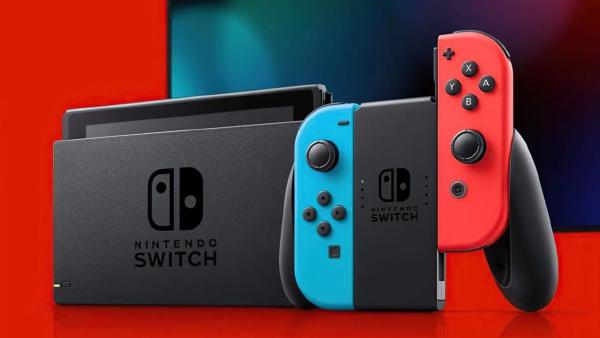
In a significant development for the gaming industry, the US Patent Office has decided to revoke Nintendo’s contentious patent related to Pokémon battling mechanics. This decision, reported first by PC Gamer, comes as a nonfinal ruling that could reshape the landscape of competitive Pokémon gameplay.
The patent in question, originally filed in 2000, has been at the center of numerous debates among developers and fans alike. Many argued that the patent overstepped into areas of gameplay that should be freely accessible to all, particularly in a franchise that has fostered creativity and community engagement. This ruling marks a pivotal moment, as it opens the door for other developers to explore innovative battling systems without fear of infringing on Nintendo’s intellectual property.
Nintendo has long been a titan in the gaming world, known for its iconic franchises and innovative gameplay mechanics. However, the company faced backlash for its aggressive stance on protecting this particular patent. Critics claimed that such restrictions stifled creativity within the industry, discouraging developers from experimenting with similar mechanics. This nonfinal decision by the Patent Office is seen as a step toward encouraging a more open environment for game design, particularly in the realm of turn-based battling systems that Pokémon popularized.
The backlash against the patent escalated in recent years, as indie developers began to voice their concerns about the implications of Nintendo’s claims. Many felt that the patent didn’t just cover specific moves or mechanics but rather set a precedent that could restrict the entire genre of turn-based games. With the US Patent Office’s revocation of this patent, developers can now breathe a sigh of relief, knowing they can innovate without running into legal challenges.
Nintendo has not yet issued a public response to the ruling, but as the company navigates the fallout from this decision, it will likely need to reassess its approach to patents and intellectual property in the gaming sector. The company has a storied history in Japan’s gaming culture, often balancing tradition with innovation, and this ruling could push them to rethink their strategies moving forward.
This development also raises questions about the future of Pokémon as a franchise. Pokémon has always encouraged a sense of community through trading and battling, and this ruling could further enhance that spirit. Developers might now feel emboldened to create new experiences that align with the core ethos of Pokémon, breaking away from restrictive patents that previously held them back.
As this story unfolds, the implications could reach beyond just Nintendo and Pokémon. Other gaming companies may take notice of this ruling, prompting them to reevaluate their own patent strategies and encouraging a more collaborative atmosphere within the gaming industry.
For fans and developers alike, this ruling signifies a potential shift towards a more inclusive future where creativity is fostered, rather than hindered. As we continue to watch how this situation develops, one thing is clear: the gaming landscape is always evolving, and sometimes, change can come from the most unexpected sources.
Nintendo has been a cornerstone of since the 1980s, with franchises like Mario, Zelda, and Pokémon becoming cultural touchstones around the globe. By prioritizing innovation alongside their beloved legacy, Nintendo can continue to influence and inspire future generations of gamers.
Image credit: PC Gamer
This article was generated with AI assistance and reviewed for accuracy.