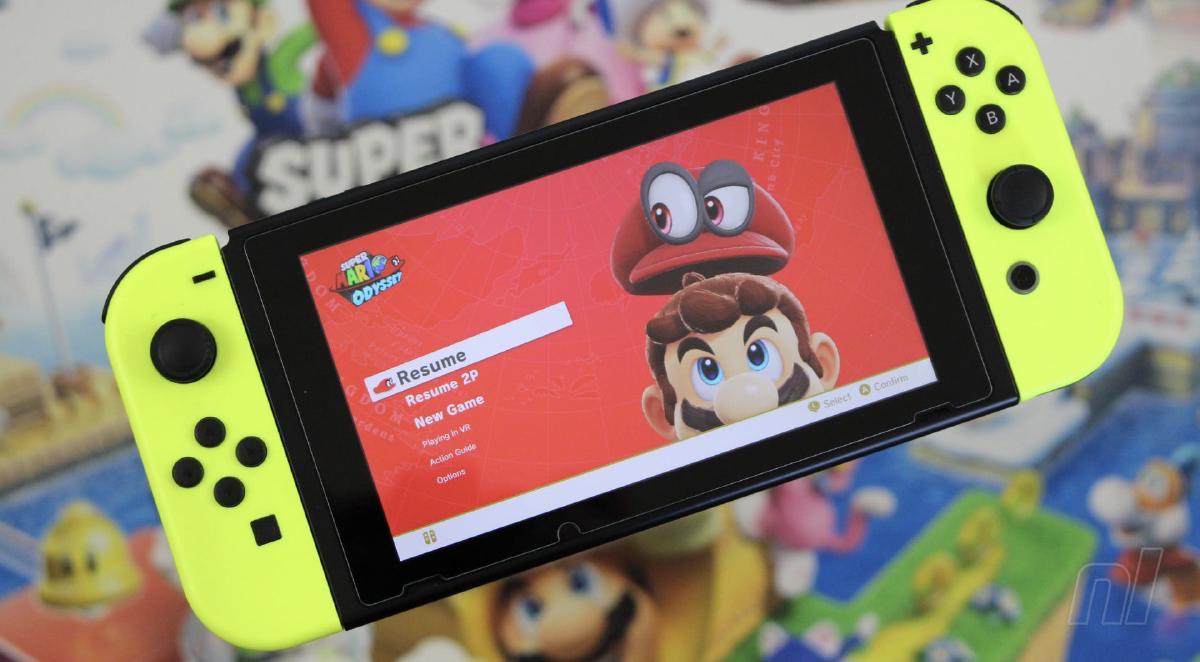
Nintendo is making headlines again, this time with a legal battle unfolding in the United States. The company is asking the court to dismiss a lawsuit filed by two gamers who allege that Nintendo should refund customers due to what they claim were illegal tariffs that influenced pricing. This situation emerged following Nintendo’s price increases for the original Switch and various Switch 2 peripherals back in August 2025, which the company attributed to “market conditions.” However, many observers believe the adjustments were directly tied to new tariff regulations.
As first reported by Nintendo Life, the lawsuit alleges that Nintendo has a responsibility to reimburse customers for the tariff-related price hikes. The attorneys representing the plaintiffs argue that the price adjustments were not adequately disclosed to consumers, claiming that Nintendo’s actions could be seen as misleading. The suit has raised questions about corporate responsibility when it comes to price adjustments linked to external economic factors.
In its response, Nintendo asserted that customers received what they expected when purchasing their consoles and accessories, and that the lawsuit lacks merit. The company emphasized that the price changes were a necessary response to fluctuating market conditions, including the impact of tariffs on international trade. Nintendo’s legal team is pushing for the case to be dismissed, arguing that the plaintiffs have no grounds for their claims.
This lawsuit comes at a time when the gaming industry is still grappling with various economic pressures, including inflation and changing trade policies. The last few years have seen significant swings in pricing for hardware and software, making the landscape particularly volatile. Nintendo, a titan in the gaming world, has previously navigated price adjustments due to economic factors but typically does so with transparency to its fanbase.
The situation surrounding this lawsuit also sheds light on broader issues within the gaming industry, particularly how companies handle pricing strategies in a global economy. With major titles and hardware releases often influenced by tariffs and various economic circumstances, the implications of this case could resonate beyond Nintendo itself.
In the court filings, Nintendo maintains that its actions were standard practice in an evolving market. By arguing that consumers received the value they paid for, the company hopes to steer the narrative back to its commitment to gamers and the quality of its products. If the court rules in favor of Nintendo, it could set a precedent regarding corporate accountability in pricing matters influenced by external factors like tariffs.
As the legal proceedings unfold, it will be interesting to observe how both Nintendo and the plaintiffs present their arguments. The outcome could have ramifications not just for Nintendo, but for other gaming companies facing similar pressures from economic changes.
Founded in 1889, Nintendo has a storied history in the gaming industry, transitioning from a playing card company to a powerhouse known for franchises like Super Mario and The Legend of Zelda. The company has always prioritized innovation while maintaining a loyal fanbase, navigating various market conditions over the decades. As this lawsuit progresses, it will undoubtedly be a focal point for discussions surrounding corporate practices and consumer rights in gaming.
Image credit: Nintendo Life
This article was generated with AI assistance and reviewed for accuracy.