Nintendo is reducing its production of the anticipated Switch 2 from an initial forecast of 6 million units to 4 million this quarter, reflecting disappointing sales trends in the U.S. market. This adjustment, as first reported by Bloomberg, comes on the heels of a recent holiday season that failed to generate the expected demand for the highly anticipated console.
The shift in production plans indicates a significant strategic recalibration for Nintendo as it navigates a gaming landscape increasingly dominated by competition from both established and emerging platforms. Industry insiders suggest that this downturn in U.S. sales may be attributed to a combination of factors, including higher consumer expectations, economic conditions, and fierce competition from rivals such as Sony and Microsoft.
Despite the setbacks, Nintendo remains committed to its long-term vision for the Switch 2, which is poised to innovate with a range of new features and technologies. However, the decreased production numbers signal that the company is taking a cautious approach, carefully managing inventory and production schedules to align with actual market demand.
In the broader context of Japanese gaming, Nintendo’s strategic decisions reflect a landscape that is rapidly evolving. Japanese developers have been at the forefront of gaming innovation, but they now face new challenges as global market dynamics shift. The rise of mobile gaming, along with the increasing popularity of subscription services, has prompted companies like Nintendo to rethink their release strategies and product offerings.
The anticipated changes to the Switch 2’s production have already sparked discussions among fans and industry analysts. While some express disappointment at the lower output, others remain optimistic about the potential for a more refined launch and future software support. The console’s success will largely hinge on its ability to capture the hearts of gamers worldwide, particularly in key markets like North America.
Nintendo’s ongoing relationship with its fanbase has always been a cornerstone of its marketing strategy. As the company adjusts its production output, it will likely engage with its community to keep them informed and excited about the upcoming console. This openness is crucial as fans look forward to new titles that showcase the unique capabilities of the Switch 2.
Looking ahead, Nintendo faces a critical juncture in its operations. The decision to cut production may be a temporary measure, but it underscores the need for the company to adapt to changing market conditions. The Switch 2 holds significant promise, but its ultimate success will depend on how effectively Nintendo can navigate these challenges and deliver compelling gaming experiences to its audience.
As we await further developments, the future remains promising for Nintendo. With a legacy steeped in innovation and creativity, the company is well-positioned to rebound from this production cut and deliver a console that resonates with players both in Japan and abroad.
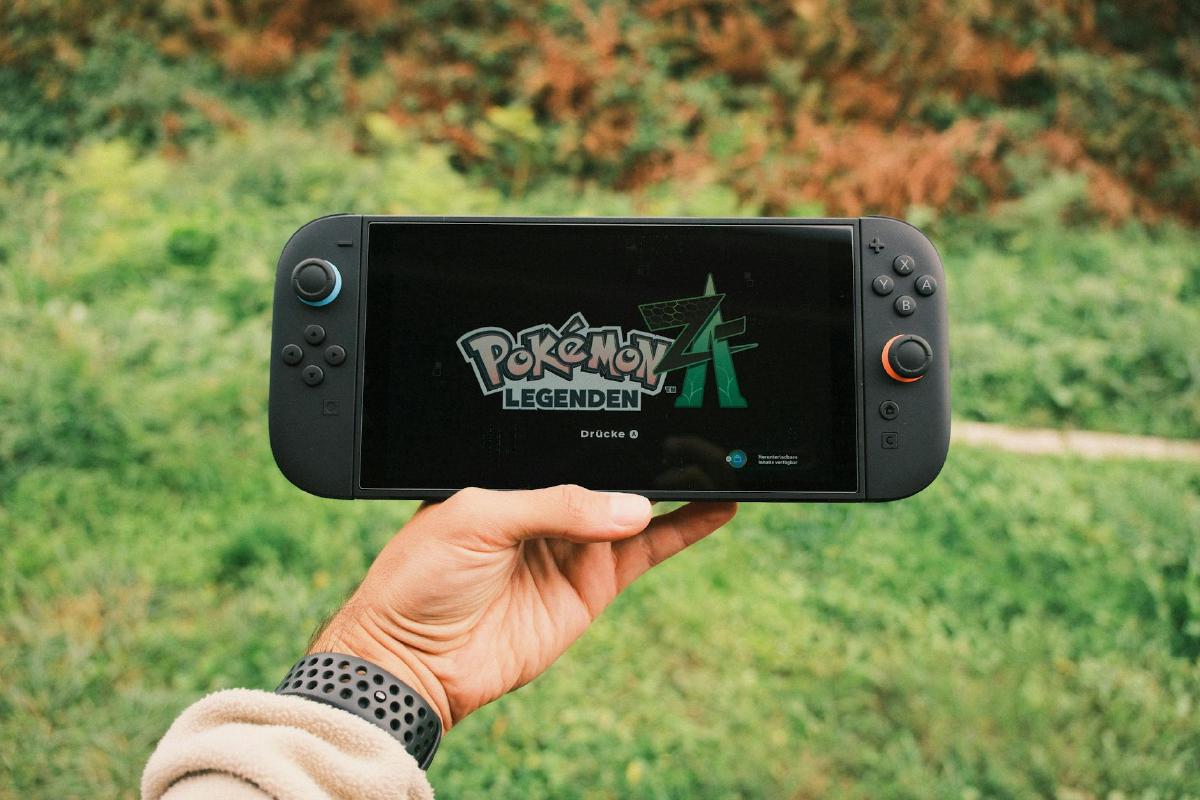
Photo by Daniel J. Schwarz on [Pexels](https://www.pexels.com/photo/handheld-gaming-console-with-pokemon-game-outdoors-34482313/)
This article was generated with AI assistance and reviewed for accuracy.