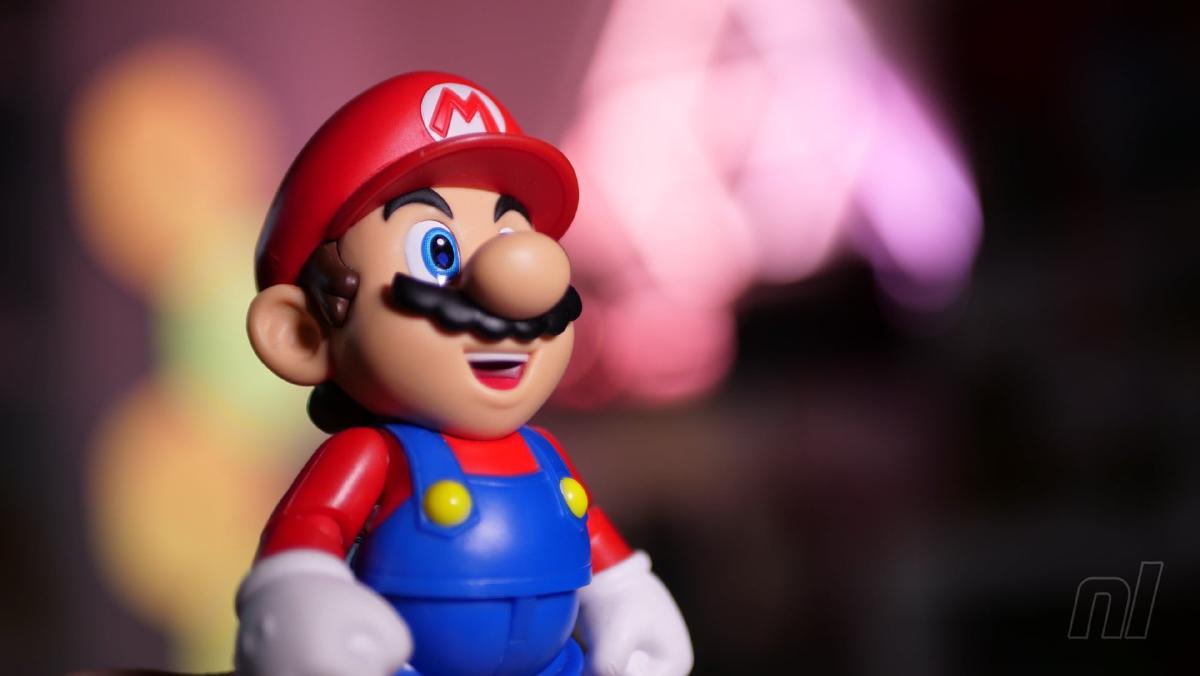
In a recent shareholder Q&A, Nintendo’s president, Shuntaro Furukawa, made it clear that the company is committed to protecting its intellectual property, regardless of the evolving landscape surrounding artificial intelligence. As first reported by Nintendo Life, Furukawa addressed mounting concerns regarding the use of generative AI and its implications for copyright infringement.
During the session, Furukawa emphasized that Nintendo will continue to respond appropriately to any threats to its IP, underscoring the company’s long-standing stance on safeguarding its franchises. This sentiment comes at a time when many industries are grappling with the implications of AI technology, particularly in the realms of content creation and media. As AI tools become more ubiquitous, the potential for misappropriation of Nintendo’s beloved characters and settings raises alarm bells for fans and developers alike.
Furukawa’s assertion reflects Nintendo’s proactive approach to IP infringement, an area where the company has historically been vigilant. Known for its iconic franchises such as Super Mario, The Legend of Zelda, and Pokémon, Nintendo has built a legacy that is both cherished and fiercely protected. The president’s comments serve as a reminder that the company views any potential encroachment on its intellectual property as a serious matter, regardless of whether the infringement is executed through traditional means or with the aid of AI technologies.
This insistence on protecting its IP is not just about maintaining brand integrity; it also serves as a crucial aspect of Nintendo’s business model. The company’s games generate billions in revenue, and any unauthorized use of its characters or storylines can lead to substantial financial losses. As the gaming industry evolves, incorporating new technologies such as AI, Nintendo’s resolve to defend its IP remains steadfast.
The conversation around AI in gaming is intensifying, with many developers intrigued by its potential for enhancing gameplay experiences and streamlining development processes. However, the dark side of this innovation involves the risk of reproducing existing material without authorization. Furukawa’s comments suggest that while some see AI as a tool for creativity, Nintendo will remain guarded against any misuse that could dilute its brand.
As concerns about the ethical implications of AI use continue to grow, Nintendo’s straightforward policy highlights a broader issue faced by many publishers in the industry. The balance between innovation and protection of original content is a tightrope that developers must navigate carefully. With Nintendo’s rich repository of IP, the stakes are particularly high for the company.
Fans and stakeholders will be watching closely as Nintendo implements its policies in this increasingly complex landscape. As the dialogue around AI and IP infringement progresses, it will be interesting to see how other companies in Japan and beyond respond to similar challenges.
Nintendo has long been a cultural touchstone in Japan and around the world, with a reputation for creativity and innovation that goes hand in hand with its meticulous attention to intellectual property. Established in 1889, the company has transitioned from a playing card manufacturer to a gaming giant, and its commitment to protecting its heritage is evident in its policies and practices. Furukawa’s statements reassure fans that the magic of Nintendo’s universes will continue to thrive, untarnished by unauthorized exploitation.
Image credit: Nintendo Life
This article was generated with AI assistance and reviewed for accuracy.