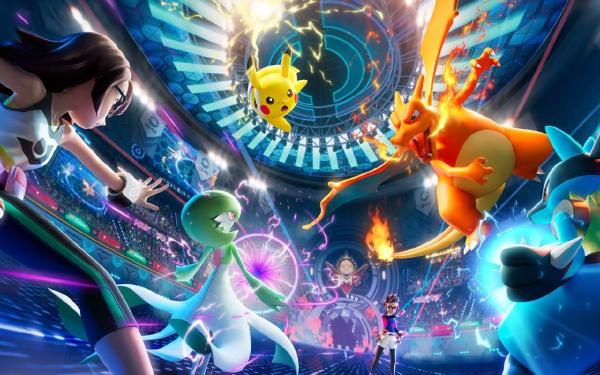
In a peculiar turn of events, Nintendo’s recent attempts to secure a trademark for Pokémon have sparked criticism from Japan’s patent officials, who have labeled the gaming giant’s defense as “absurd.” This reaction underscores the ongoing challenges surrounding intellectual property rights within the gaming industry, especially in Japan, where such matters are especially sensitive.
The situation came to light through a report by PC Gamer, which revealed that Nintendo’s application to trademark a Pokémon-related name was rejected, prompting the company to present a defense that the patent office found lacking in substance. The officials expressed frustration, suggesting that the arguments put forth by Nintendo were not only implausible but also indicative of a larger issue regarding how companies manage their intellectual property.
Nintendo has long been at the forefront of the gaming world, with its flagship franchise Pokémon remaining one of the most recognizable brands globally. Over the years, the franchise has seen an extensive array of games, merchandise, and media adaptations, making it a cornerstone of not just Nintendo’s offerings but also Japanese pop culture at large. Given this prominence, the stakes surrounding trademark disputes can be particularly high, influencing Nintendo’s business strategies and future releases.
The rejection of the trademark application may serve as a wake-up call for Nintendo, urging the company to reassess its approach to protecting its intellectual property. While Nintendo has historically been aggressive in defending its rights,often pursuing legal action against fan projects and other companies,it appears that the patent office is pushing back against what they perceive as overreach.
This situation is reflective of a broader trend in the gaming industry, where the lines between creativity and legal boundaries can often become blurred. Intellectual property issues are particularly complex in Japan, where cultural attitudes towards ownership and creativity differ from those in Western markets. As Japanese developers continue to innovate and expand their creative horizons, navigating these legal landscapes becomes increasingly challenging.
Nintendo’s trademark controversy also highlights the delicate balance between protecting one’s brand and fostering a vibrant community of fans and creators. Many Pokémon enthusiasts engage in fan art, mods, and other creative expressions that celebrate their love for the franchise. However, such activities can sometimes run afoul of trademark laws, leading to conflicts between the company and its most passionate supporters.
As the gaming landscape evolves, so too do the conversations surrounding intellectual property rights. Companies like Nintendo must find ways to adapt to these changes while remaining true to their roots and values. The outcome of this specific trademark dispute may ultimately influence how other developers and publishers approach their own intellectual property strategies moving forward.
Nintendo’s storied history in gaming dates back to its establishment over a century ago, and it has since transformed into a leading force in the industry. The Pokémon franchise, which launched in 1996, has become a cultural phenomenon, with millions of fans worldwide. As the company navigates this latest challenge, it will be interesting to observe how it balances innovation with legal prudence while continuing to engage with its extensive fanbase.
Image credit: PC Gamer
This article was generated with AI assistance and reviewed for accuracy.