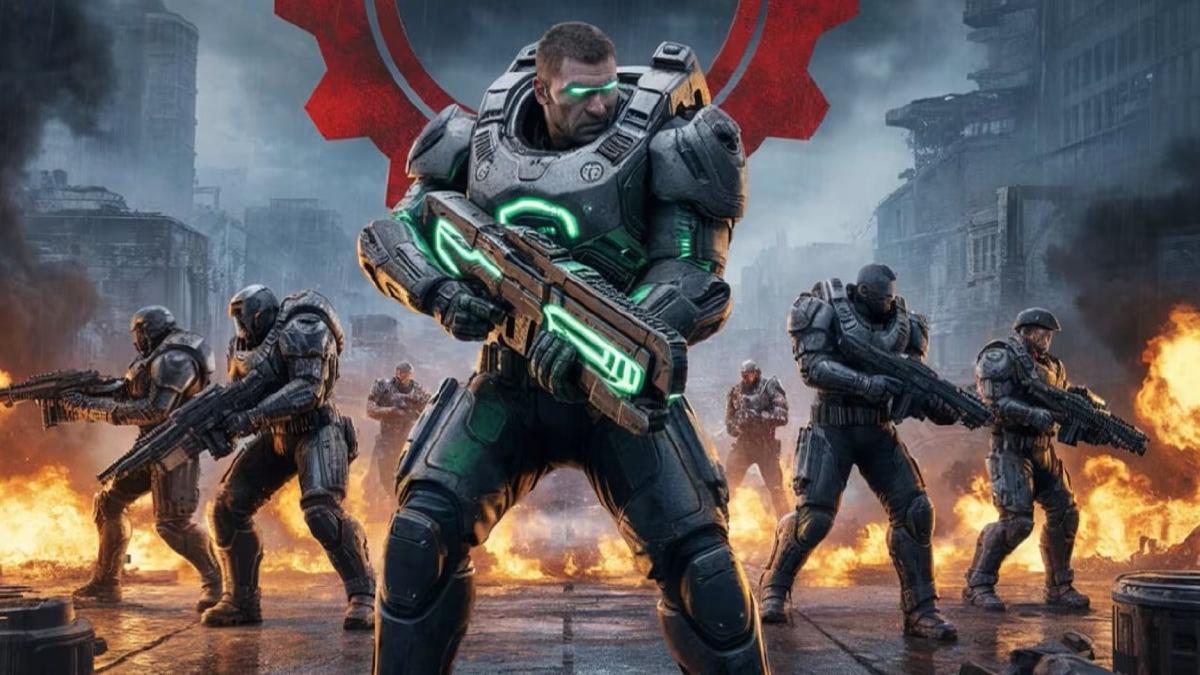
In a landscape already cluttered with questionable titles, the Nintendo eShop has seen yet another bizarre entry that raises eyebrows among gamers. As first reported by Nintendo Life, the game “Dead Gears - Space of War” has recently appeared on the digital storefront, drawing attention not just for its name but for its overt similarities to established franchises like “Gears of War” and “Dead Space.”
This latest release is emblematic of a broader issue that has plagued digital marketplaces, where clone and rip-off games can easily find a home. The developers behind “Dead Gears” seem to have taken little care to disguise their influences, with a title and logo that appear to be directly inspired by popular titles. The font choice and overall aesthetic leave little to the imagination regarding the game’s intent to capitalize on well-known franchises.
While gamers have come to expect a certain level of creativity from indie titles, it’s disappointing to see the eShop being used as a platform for such blatant imitations. The presence of these clone games raises questions about the vetting processes for digital storefronts. How can platforms ensure that they are promoting innovative and original content rather than allowing mediocre knockoffs to proliferate?
The rise of shovelware and clone titles isn’t new, but as more players turn to the eShop for a diverse gaming experience, the tolerance for such games continues to wear thin. Many players are looking for unique gaming adventures that push boundaries, not replicas that lack originality. often discusses the importance of supporting indie developers, but titles like “Dead Gears - Space of War” can sully the reputation of smaller studios striving to create something fresh.
In Japan, where gaming culture thrives on originality and creativity, the emergence of clone games can be particularly disheartening. Developers like Nintendo, Capcom, and Bandai Namco have set high standards for quality and innovation, showcasing the rich potential of the gaming medium. When lesser clones clutter the digital space, it distracts from the impressive work done by genuine indie developers who pour their passion into crafting unique experiences.
As players navigate the eShop, they must remain vigilant about what to support. The advent of platforms like the Nintendo eShop should be a celebration of creativity and uniqueness in gaming. However, it becomes increasingly difficult to separate the wheat from the chaff when titles like “Dead Gears - Space of War” blatantly aim to cash in on the success of established IPs.
The question now is whether Nintendo will take action to address this ongoing issue. With a reputation for quality and a loyal fan base, the company has a vested interest in curating a catalog that reflects its commitment to innovation. Players deserve better than poorly conceived clones that do little more than recycle existing ideas.
As the industry continues to evolve, it’s essential for both developers and platforms to prioritize originality and creativity. The gaming landscape is vast and varied, and it’s up to all of us to nurture the growth of unique titles that push the boundaries of what video games can be.
“Dead Gears - Space of War” serves as a reminder of the challenges facing digital storefronts in the ongoing battle against clone games, and it highlights the importance of protecting the integrity of gaming culture. Let’s hope for a future where originality is celebrated over imitation, and players can enjoy the innovative experiences they deserve.
Context: “Dead Gears - Space of War” is an indie title that has drawn criticism for its derivative nature. The indie game scene in Japan has produced many noteworthy titles, but the presence of clones threatens to overshadow the hard work of creative developers.
Image credit: Nintendo Life
This article was generated with AI assistance and reviewed for accuracy.