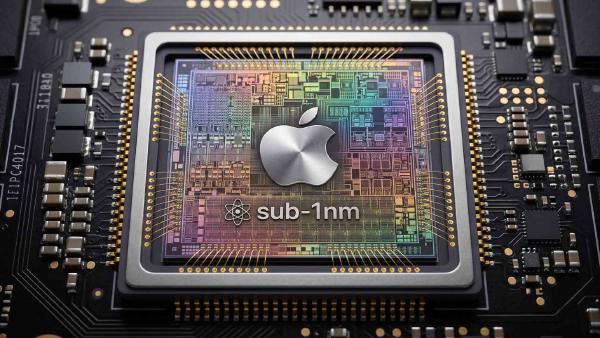
Apple’s forthcoming A20 chip, which is set to power the base model of the iPhone 18, appears to be facing significant hurdles due to ongoing DRAM shortages. As first reported by Wccftech, this situation is forcing Apple to reevaluate its technical ambitions, particularly concerning the chip’s potential use of the innovative WMCM packaging technology.
Recent developments suggest that Apple may not implement the new WMCM packaging, which was previously anticipated to bring unprecedented flexibility by allowing various CPU and GPU core combinations within a single die. Instead, the A20 chip is likely to rely on TSMC’s existing InFO (Integrated Fan-Out) packaging technology, a more traditional approach that integrates the application processor (AP) and DRAM onto one die.
The decision reflects a broader trend in the industry, where even tech giants like Apple are not insulated from global supply chain issues, especially those connected to DRAM. As demand continues to outpace supply, manufacturers are being forced to adapt their plans, and Apple’s chip development appears to be no exception.
The WMCM packaging technology was expected to enhance chip capabilities significantly, allowing for more efficient power management and better performance through customizable core configurations. This would have positioned the A20 as a formidable upgrade over its predecessors. However, with the constraints posed by the current DRAM market, Apple seems to be pivoting towards a more conservative approach to ensure timely delivery and consistent performance.
This shift may also impact the overall performance expectations for the iPhone 18, at least in its base model. Apple’s history of delivering top-tier performance in its devices has set high standards among consumers. Compromising on the advanced features of the A20 could result in some disappointment, particularly among enthusiasts eagerly awaiting the next iteration of the iPhone.
As Apple navigates these challenges, the tech landscape remains ever-evolving. Consumers and industry watchers will keep a keen eye on how Apple addresses these supply chain issues moving forward. While the A20 chip’s capabilities may be scaled back, Apple has consistently demonstrated a knack for innovation, even in constrained circumstances.
For fans of Apple products and the smartphone industry at large, this development serves as a reminder of the complexities involved in tech manufacturing. With the A20 chip possibly missing out on groundbreaking packaging technology, it raises questions about how Apple will continue to push the envelope in performance while managing supply chain realities.
Apple has established itself as a leader in consumer electronics, particularly with the iPhone line, which has transformed mobile communication since its debut. As the company prepares for the iPhone 18 launch, it now confronts the dual challenge of maintaining its legacy of innovation while adapting to the unpredictable nature of global tech supply chains.
Image credit: Wccftech
This article was generated with AI assistance and reviewed for accuracy.