The intersection of video games and military interests has taken center stage as discussions heat up about the underlying connections between gaming and warfare. As first reported by Artreview, a recent analysis has shed light on how the industry’s growth often parallels military investment and influence.
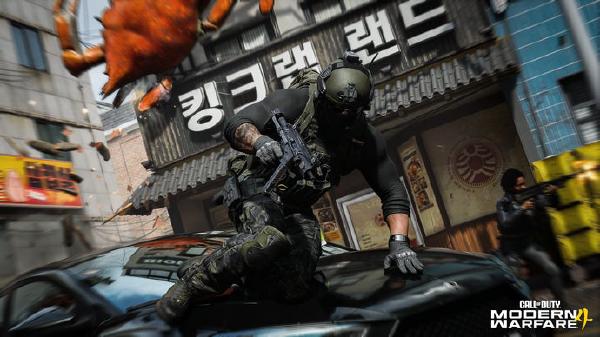
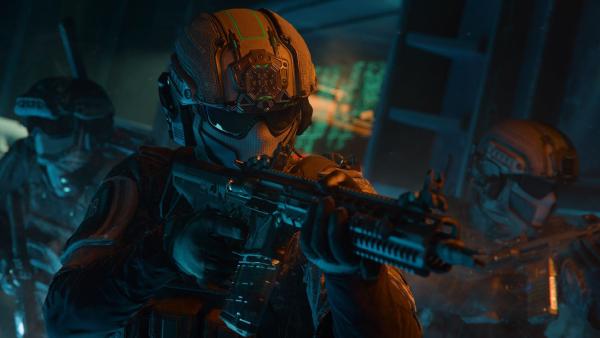
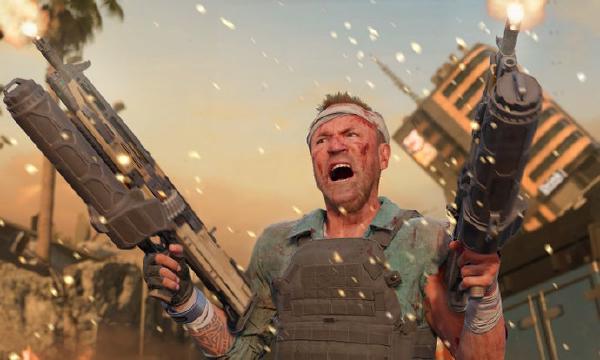
From iconic franchises like Call of Duty to lesser-known titles, many games embed military themes and tactics into their narratives. This has sparked a growing concern about the normalization of warfare in entertainment and how this may influence societal perceptions of conflict. Critics argue that the portrayal of military operations often glamorizes combat, inadvertently shaping players’ views on real-world military involvement.
The U.S. military has long recognized the potential of video games as a recruitment tool, leveraging their popularity to attract younger audiences. In recent years, we have seen collaborations between game developers and military organizations that aim to create a realistic experience, portraying military operations with high fidelity. These partnerships raise questions about the implications they have for both the gaming industry and broader societal values.
Furthermore, the rise of esports has added a new layer to this discussion. Competitive gaming events often feature military-themed games, drawing in vast audiences and generating revenue streams that align with military interests. This has led to an increased presence of military sponsorships at tournaments, further intertwining the gaming and military worlds. While tournaments may celebrate skill and strategy, they also serve as a platform for military messaging, often blurring the lines between entertainment and propaganda.
In addition to the recruitment aspect, there is a growing concern about the ethical implications of normalizing warfare in video games. Critics point out that by presenting military conflict as a mere game, developers may be desensitizing players to the harsh realities of war. This phenomenon can lead to a lack of understanding and empathy regarding the complexities of military engagements and their consequences in the real world.
The discussion is further complicated by the evolving landscape of live-service games. As developers continue to update and expand their titles with new content, the incorporation of military themes can lead to ongoing conversations about the ethical responsibilities that come with creating these experiences. Games like Call of Duty frequently update their maps and mechanics to reflect current military technology, reinforcing the connection between video game narratives and real-world military advancements.
As the lines between entertainment and real-life implications blur, it becomes essential for players and developers alike to consider the messages being conveyed through their gaming experiences. The conversation surrounding the relationship between video games and military interests is becoming increasingly relevant, especially as the gaming industry continues to grow and evolve.
For players, the implications of these ties may affect their gaming choices and the types of narratives they support. The challenge for developers lies in balancing the thrill of gameplay with an awareness of the socio-political contexts they engage with. As the conversation progresses, it will be critical for the industry to reflect on the power of storytelling and the responsibilities that come with creating immersive experiences.
In summary, the relationship between video games and military institutions raises important questions about the narratives we engage with and how they shape our perceptions of conflict. As this dialogue continues, both players and developers must navigate the challenges presented by these complex ties to ensure that gaming remains a medium for creativity and expression rather than a tool for misinformation or desensitization.
Activision, known for its blockbuster franchise Call of Duty, has been at the forefront of these discussions, regularly updating its titles to align with contemporary military themes. With a history dating back to 1979, the studio has consistently influenced the gaming landscape, often provoking thought on the ethical implications of its narratives.
Image credit: Artreview
This article was generated with AI assistance and reviewed for accuracy.