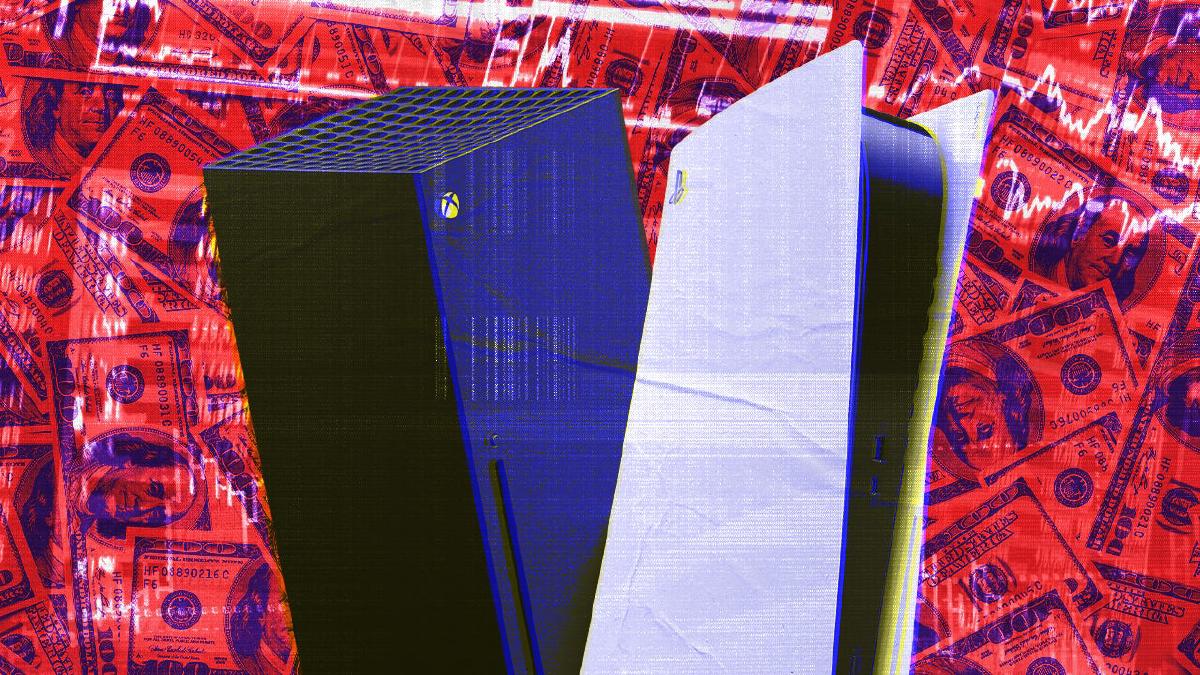
Gaming hardware has hit unprecedented price levels, signaling the end of the $500 console era. This shift poses a significant challenge for consumers seeking new gaming systems, as noted in a report by IGN. The comfortable price point for entry into console gaming, which held steady around $500 for two decades, has now vanished.
Traditionally, major console launches for the last three generations have hovered between $400 and $500. Following their release, these systems often saw price reductions through slim variants and holiday sales. However, the current generation of gaming consoles has defied that trend. Both the PlayStation 5 and Xbox Series X debuted in November 2020 at the $500 mark, but rather than becoming more affordable over time, both systems have seen their prices increase.
The initial price hikes can be traced back to the COVID-19 pandemic. Supply chain disruptions created significant stock shortages, locking prices at or above the manufacturer’s suggested retail price (MSRP) for over two years. As demand began to stabilize approximately three years post-launch, it appeared that consumers might finally see a reduction in prices. However, economic shifts, including tariffs imposed during the Trump administration, forced Sony and Microsoft to raise their prices. Even Nintendo, known for offering budget-friendly options, launched the upcoming Switch 2 at $449, further complicating the landscape.
Adding to the turmoil is an ongoing chip shortage that has plagued the gaming industry. This shortage is exacerbated by a growing demand for memory chips due to the expansion of AI data center infrastructure. The impact on the gaming industry has been severe, leading to inflated prices for graphics cards, storage solutions, and RAM. As a result, consumers are faced with the stark reality that a new PS5 Pro is expected to retail for $899.
The confluence of these factors has not only changed the pricing structure of gaming consoles but also calls into question the sustainability of the current hardware market. The prospect of more affordable consoles seems bleak as manufacturers grapple with rising production costs and consumer expectations.
As the gaming landscape shifts under the weight of economic pressures and supply chain issues, gamers must navigate a reality where the barrier to entry is higher than ever before. This development marks a significant turning point in the console market, leaving many to wonder what the future holds for affordability in gaming.
Context#
Sony and Microsoft are major players in the gaming industry, with the PlayStation and Xbox franchises respectively. The PS5 and Xbox Series X represent the latest generation of their gaming consoles, while Nintendo continues to innovate with its hybrid gaming model.
Image credit: IGN
This article was generated with AI assistance and reviewed for accuracy.