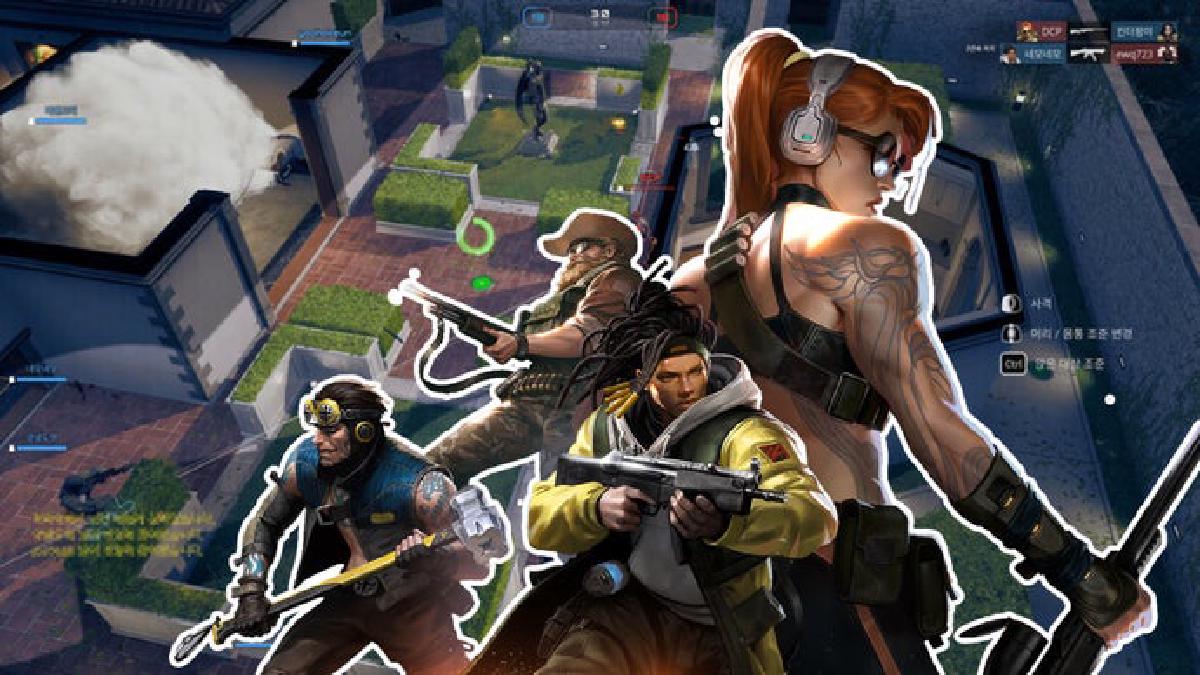
Krafton has announced the closure of its free-to-play PUBG spin-off, PUBG: Blindspot, a mere two months after its debut. This decision comes as a shock to many within the community and raises significant questions about the future of the PUBG franchise and its adaptability in the competitive landscape of battle royale games.
As first reported by Eurogamer, the announcement was made through an official statement from Krafton, which indicated that the game’s servers would be shutting down shortly. Players were informed via in-game notices and social media updates, leading to a flurry of reactions across platforms. While the decision to close PUBG: Blindspot may surprise some, it reflects the ongoing challenges in keeping live-service titles viable and engaging in a gaming world that is constantly evolving.
Launched to mixed reviews, PUBG: Blindspot aimed to attract a broader audience with its free-to-play model and unique gameplay mechanics. However, it seems that the title couldn’t capture enough of the player base’s attention to sustain itself. Community feedback suggested that while the game had potential, it struggled with balancing issues and a lack of compelling content that could keep players coming back for more.
The closure of PUBG: Blindspot also prompts discussions about Krafton’s strategy moving forward. With the battle royale genre being a fiercely contested battleground, it’s becoming increasingly clear that maintaining player interest requires not just innovation but also consistent updates and a compelling competitive scene. Other titles have managed to thrive by successfully integrating regular content updates, events, and community feedback into their lifecycles, something that PUBG: Blindspot appears to have lacked in its brief run.
Krafton’s decision to pull the plug comes amid a wave of changes in the gaming industry, particularly in live-service models. Many developers are reassessing their approach to monetization and ongoing player engagement. As games continue to evolve, the ones that manage to create a strong community and maintain a competitive edge are likely to succeed, while those that fall short will face a quick exit.
While the closure of PUBG: Blindspot marks a setback for Krafton, it also provides an opportunity for reflection. The studio has had a solid track record with the original PUBG, which was a pioneer in the battle royale genre. As they regroup, it will be interesting to see how they adapt, learn from this experience, and leverage what has made PUBG a staple in esports.
Krafton continues to support the original PUBG, which has undergone numerous updates and competitive events, energizing its player base. As the company navigates this setback, it will be crucial for them to focus on the core experience that fans have come to love while exploring new avenues for innovation and engagement in the future.
In the ever-changing landscape of multiplayer games, the fate of PUBG: Blindspot serves as a stark reminder of the challenges that even established studios face in keeping their titles relevant and exciting. As the battle royale scene evolves, all eyes will be on Krafton as they chart their next course in the competitive gaming arena.
Image credit: Eurogamer
This article was generated with AI assistance and reviewed for accuracy.