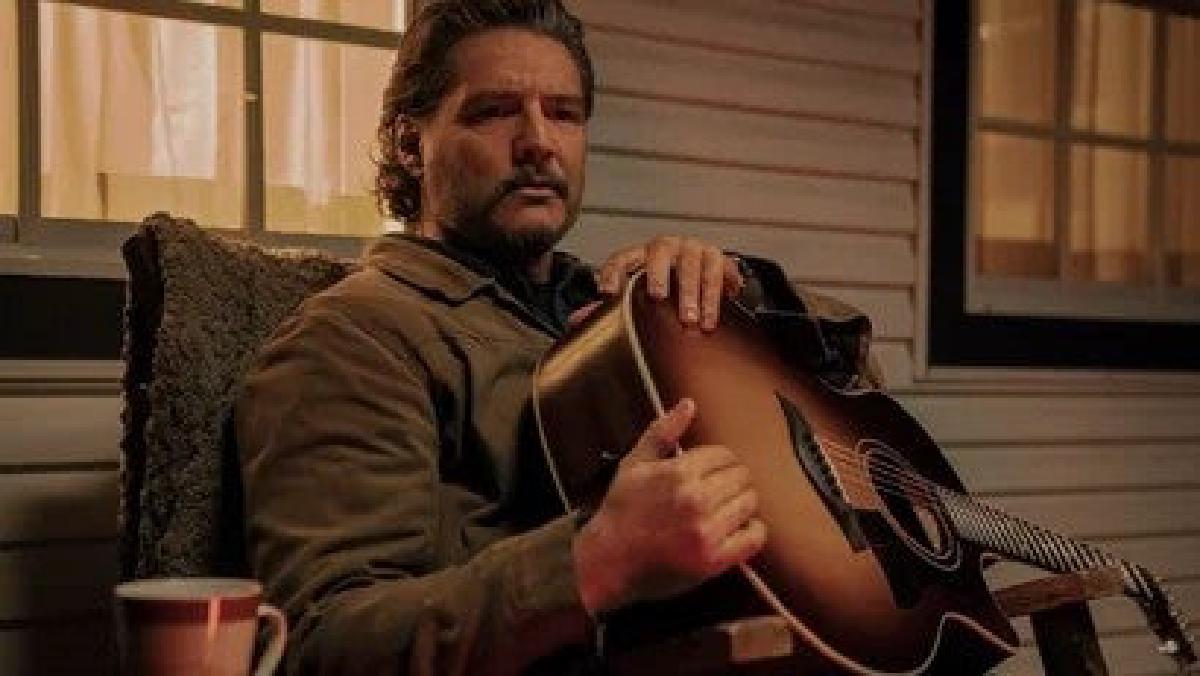
Matthew McConaughey has shed light on his decision to decline the role of Joel in HBO’s adaptation of “The Last of Us,” a part that was eventually claimed by Pedro Pascal. As first reported by Eurogamer, McConaughey shared that the intense commitment to the series was a major factor in his choice.
In a recent interview, McConaughey reflected on the character of Joel, emphasizing the depth and complexity required for such a role. He acknowledged that portraying Joel in a post-apocalyptic landscape demands both emotional range and physical endurance. With this in mind, McConaughey concluded that he could not fully commit to the project at the time, as he was pursuing other artistic endeavors.
While fans have embraced Pascal’s portrayal of Joel, many have speculated how McConaughey’s distinctive style could have shaped the character. Known for his charismatic performances in films like “Interstellar” and “Dallas Buyers Club,” it’s easy to imagine the Academy Award-winning actor bringing a unique flair to the role. However, McConaughey’s decision underscores the significant dedication required to bring such an iconic character to life.
The Last of Us has made waves in both gaming and television, captivating audiences with its gripping storytelling and rich character development. The series has been praised for its authenticity and fidelity to the original game created by Naughty Dog, which has garnered a massive following since its release in 2013. The show’s success has sparked discussions about the potential for more video game adaptations in the future, raising the stakes for actors and directors alike.
McConaughey’s comments serve as a reminder of the challenges actors face when adapting beloved video game characters. The journey of “The Last of Us” from a critically acclaimed game to a mainstream television hit illustrates how intricate the process can be, balancing fan expectations with the demands of storytelling.
As the series continues to unfold, it remains clear that the casting decisions are pivotal in shaping the future of such adaptations. McConaughey’s insights reveal the pressures and considerations that come with taking on roles in high-profile projects, especially ones that carry the weight of a dedicated fan base.
Fans will undoubtedly continue to discuss what could have been with McConaughey as Joel, but for now, Pedro Pascal’s performance has solidified itself as a key part of the series’ success. As the adaptation progresses, it will be interesting to see how this impacts both the series and the future of video game storytelling in other media.
Naughty Dog, the studio behind “The Last of Us,” has long been recognized for its ability to blend narrative depth with engaging gameplay mechanics. The studio has set a high bar for video game adaptations, and as the industry evolves, the pressure is on for upcoming projects to follow suit.
Image credit: Eurogamer
This article was generated with AI assistance and reviewed for accuracy.