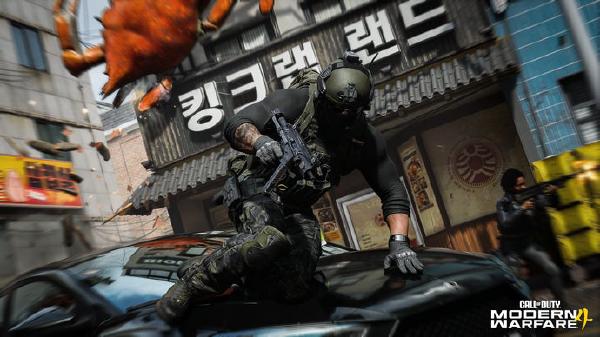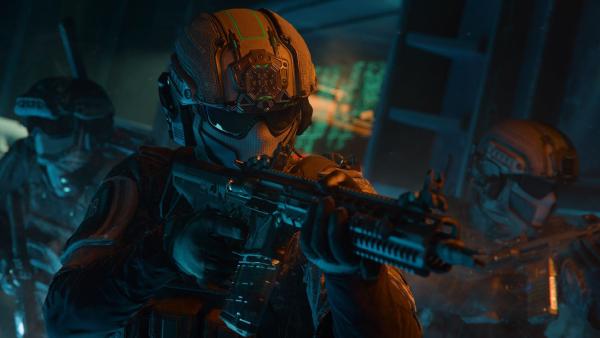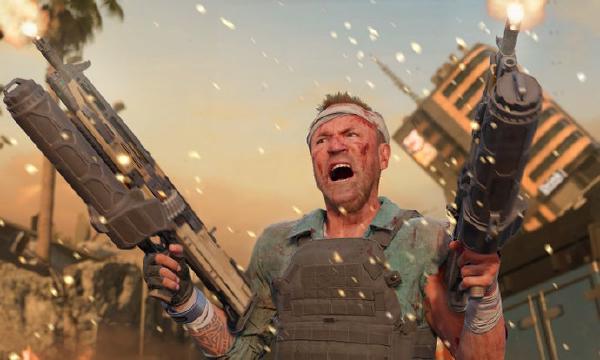
In the ever-evolving landscape of competitive gaming, the role of sniper support has emerged as a linchpin in tactical warfare. This gameplay style isn’t just about precision shooting; it’s about orchestrating the battlefield and providing your team with a strategic advantage long before the enemy realizes they are in danger. As first reported by GamesPress, understanding the intricacies of sniper support can be the differentiator between victory and defeat in high-stakes matches.
While many players focus on sheer damage output, sniper support emphasizes control and situational awareness. A well-placed sniper can disrupt enemy movements, eliminate key targets, and create openings for teammates to capitalize on. Instead of charging into combat and risking unnecessary casualties, teams that prioritize sniper support can dictate the flow of battle, forcing opponents to play reactively.
One of the most critical aspects of sniper support is positioning. Snipers need to find vantage points that offer both concealment and a clear line of sight. This could mean finding a perch on a rooftop in a cityscape or hiding in a thicket in a woodland setting. The best snipers know how to leverage their environment, using it to maintain stealth while keeping a watchful eye on enemy maneuvers. The art of waiting is a crucial skill here; a well-timed shot can dismantle an enemy strategy before it even unfolds.
Moreover, communication is vital. Snipers must work in tandem with their squad, relaying information about enemy positions and movements. A good sniper doesn’t just take shots; they become the eyes of the team, feeding critical intel that can shift the tide of battle. Utilizing voice chat or in-game markers to signal enemy locations can give teammates the insight they need, allowing them to coordinate assaults with precision.
The meta surrounding sniper support is also evolving, as developers continue to tweak weapon balancing and in-game dynamics. Recent updates in popular titles like Call of Duty and Rainbow Six Siege have made sniper rifles more versatile, allowing for quicker follow-up shots and enhanced mobility. This shift encourages players to experiment with loadouts and play styles, pushing the boundaries of how snipers can influence combat scenarios.
In competitive tournaments, the effectiveness of sniper support can be clearly seen. Teams that employ snipers strategically are often able to control objectives more effectively, making it difficult for opposing squads to mount successful offensives. For example, during recent Valorant championship matches, sniper support has proven to be an essential component of team strategy, with players utilizing the Operator to pick off enemies and control choke points.
As the competitive scene grows, the demand for skilled sniper support players continues to rise. Players looking to elevate their game should focus on honing their aim, mastering map layouts, and perfecting their communication skills. Sniper support is an art that combines patience, precision, and a deep understanding of team dynamics. With the right mindset, players can not only become formidable snipers but also invaluable assets to their squads.
As the battle for supremacy in esports continues to heat up, sniper support is poised to remain a critical factor in multiplayer success. Teams that recognize its potential and invest in developing this role will likely find themselves at the top of leaderboards in the coming months. So, gear up, find your sweet spot, and get ready to dominate the battlefield.
Developed by DICE, the Battlefield series has long been known for its emphasis on teamwork and strategy, with sniper support playing a central role in shaping multiplayer matches. The combination of immersive environments and tactical gameplay makes it a staple in the competitive scene.
Image credit: Wikipedia
This article was generated with AI assistance and reviewed for accuracy.