The handheld gaming PC scene has exploded over the past five years, rapidly capturing the hearts of gamers with powerful hardware and improved operating systems from major players like Microsoft and Valve. However, as first reported by IGN, a looming RAM crisis threatens to undermine this burgeoning market, leaving enthusiasts concerned about the future of portable gaming.
Recent releases such as the Xbox Ally X and the MSI Claw 8 EX AI+ have dazzled players with their specifications, but their high price tags present a significant barrier. The MSI Claw 8 EX AI+, for instance, is priced at a staggering $1,799, which raises serious questions about affordability. While the Xbox Ally X has managed to maintain its pricing, the competitive landscape is shifting, and gamers are left wondering how sustainable the current trajectory really is.
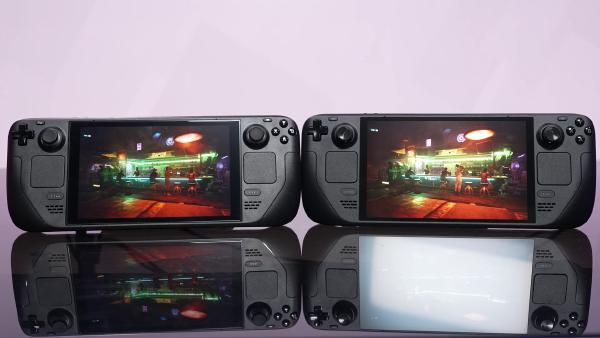
Reflecting on the evolution of portable gaming, the introduction of the Steam Deck was a pivotal moment. Prior to its release, fans of handheld consoles often turned to the Nintendo Switch, but for many, Nintendo’s offerings failed to capture the same level of engagement. Instead, players frequently repurchased titles like Shovel Knight and Stardew Valley to enjoy them on the go. The Steam Deck changed that dynamic entirely; while it may have been bulkier than its competitors, it provided a comfortable grip and eliminated the need to buy the same games multiple times.
Despite its successes, the Steam Deck presented challenges when it came to playing demanding AAA titles. Gamers found themselves forced to lower resolutions and settings for a playable experience, typically hovering around 30-40 frames per second. Nonetheless, the convenience of portability and the ability to play indie games on the fly encouraged players to embrace the platform, often leading to an increased interest in indie titles.
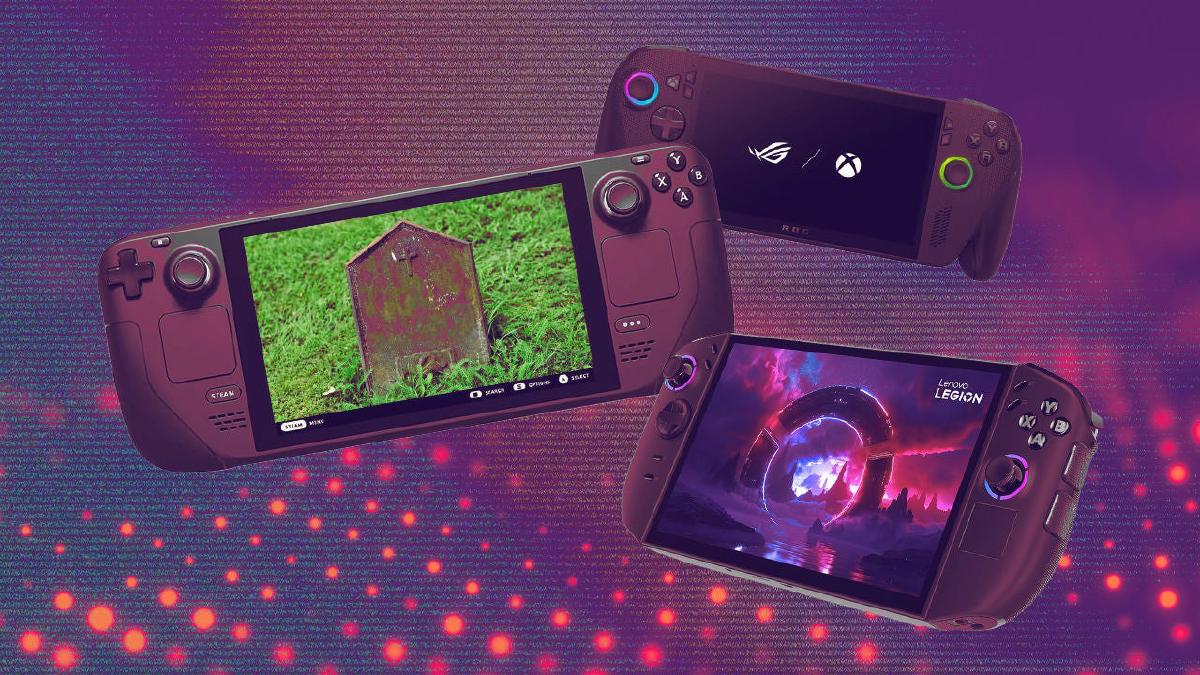
As the market for handheld devices expanded, companies rushed to launch alternatives to the Steam Deck. The original ROG Ally and Lenovo’s offerings aimed to capture the same audience, but with varying degrees of success. Each device brought its own set of strengths and weaknesses, but the overarching concern remains: can the market sustain such growth in light of the RAM shortages?
The RAM crisis is not just a minor hiccup; it could fundamentally alter the development and production of new handhelds. With current models relying on increasingly scarce resources, manufacturers may face challenges in scaling production to meet demand. Players are anxious to see whether companies can innovate and source materials effectively in this tightening environment.
Looking ahead, the future of handheld gaming PCs hinges on how well manufacturers adapt to these challenges. If innovation can keep pace with production limitations, players may still enjoy powerful and affordable handheld options. On the flip side, if the RAM crisis continues to escalate, the dream of portable gaming with robust capabilities could remain just that,a dream.
Handheld gaming has come a long way, evolving into a competitive space filled with potential. However, gamers now find themselves at a crossroads, where the availability of RAM could significantly impact the future of these beloved devices. Whether the industry can rise to the occasion and continue delivering thrilling portable experiences remains to be seen.
Valve, the studio behind the Steam Deck, has made significant strides in the gaming market since its inception, while Microsoft is continuously refining its approach to gaming hardware. As the competitive landscape evolves, both companies will play key roles in shaping the future of handheld gaming.
Image credit: IGN
This article was generated with AI assistance and reviewed for accuracy.