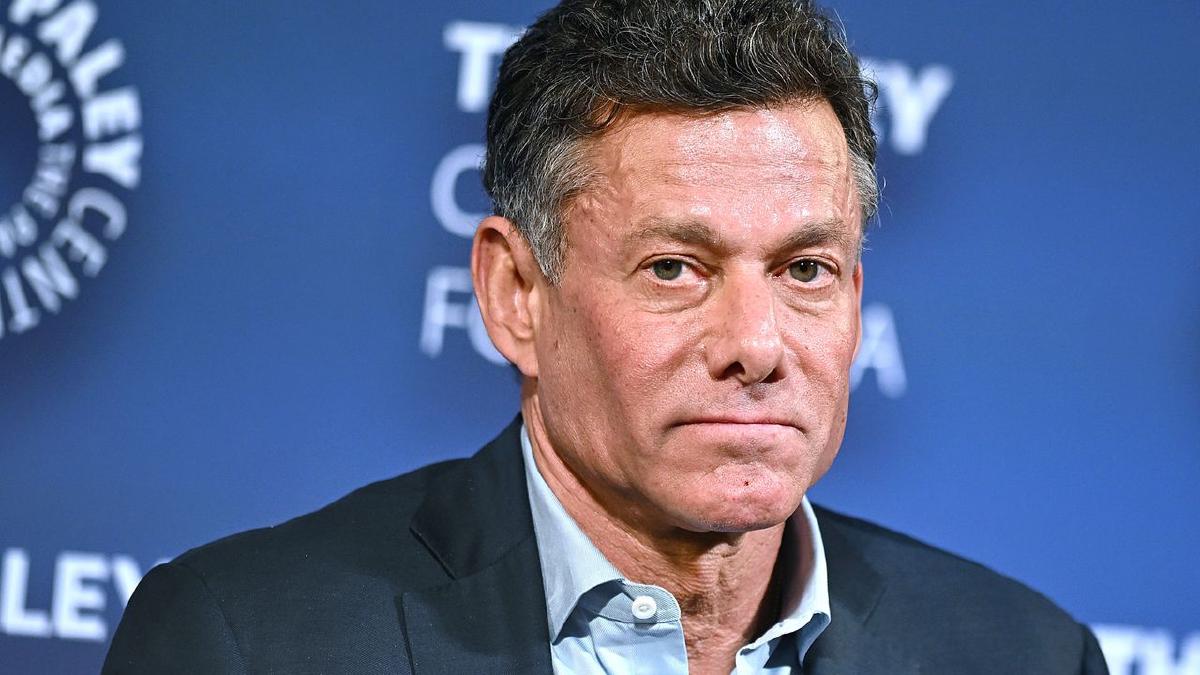
Take-Two Interactive’s CEO, Strauss Zelnick, anticipates a significant transformation in the gaming landscape over the next three years, with the industry moving towards a predominant streaming model. This shift could reshape how players interact with games, focusing on accessibility rather than ownership, as first reported by PC Gamer.
Zelnick discussed his outlook during a recent earnings call, where he shared insights on the evolving dynamics of the marketplace. He emphasized that the traditional model of game ownership is likely to diminish, making way for a subscription-based or streaming approach that has become increasingly popular across various media, including music and television.
The CEO’s projections suggest that the gaming industry will embrace commercial streaming as a standard practice. This evolution could lead to broader access to a vast library of games, allowing players to experience titles without the burden of purchasing them outright. Zelnick believes that the convenience and affordability of streaming services may attract a larger audience to gaming, thereby expanding the player base significantly.
However, this shift raises questions regarding the implications for game ownership. As players transition to streaming platforms, the idea of owning physical copies or even digital licenses could become obsolete. This move aligns with broader trends in content consumption, where ownership is increasingly replaced by subscription access.
Zelnick acknowledged that while the transition may initially be met with resistance, the long-term benefits could outweigh concerns. He stated, “We believe that as technology continues to advance, consumers will adapt to these changes and appreciate the flexibility that streaming offers.” This perspective aligns with the growing popularity of services like Xbox Game Pass and PlayStation Now, which have already paved the way for this kind of gaming experience.
The implications of this potential shift are profound for both developers and players. For game studios, embracing a streaming model may necessitate changes in pricing strategies and revenue models. Instead of relying solely on initial sales, studios may need to focus on developing content that encourages ongoing engagement to drive subscription renewals.
Moreover, the move to streaming could foster more experimentation and innovation within the industry, as developers may feel less pressure to create high-priced, blockbuster titles. Instead, they could explore a wider range of projects, knowing that these titles could find an audience through a streaming service offering.
On the player side, while the accessibility of a game library is appealing, some may mourn the loss of ownership. The prospect of perpetual access to a vast array of games may come with its own set of challenges, including the risk of losing access if a service is discontinued or if a subscription lapses.
As the industry gears up for this transition, it will be essential for stakeholders to address the concerns surrounding ownership and ensure that consumer needs are prioritized in this evolving landscape. The shift towards streaming might promise accessibility and variety, but it also raises critical questions about the nature of gaming as a medium.
Take-Two Interactive is known for its successful franchises, including Grand Theft Auto and NBA 2K, and has been a key player in the gaming industry. The company’s commitment to innovation and adaptation has positioned it to navigate the challenges and opportunities that come with the potential rise of streaming in gaming.
Image credit: PC Gamer
This article was generated with AI assistance and reviewed for accuracy.