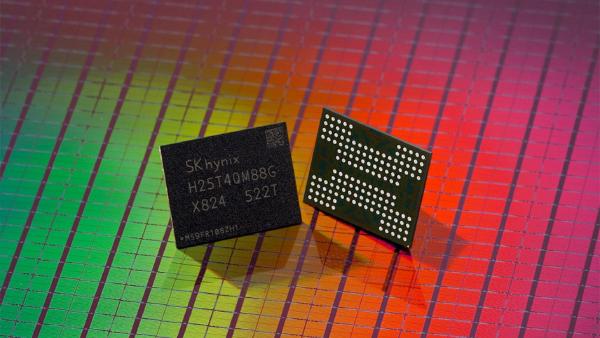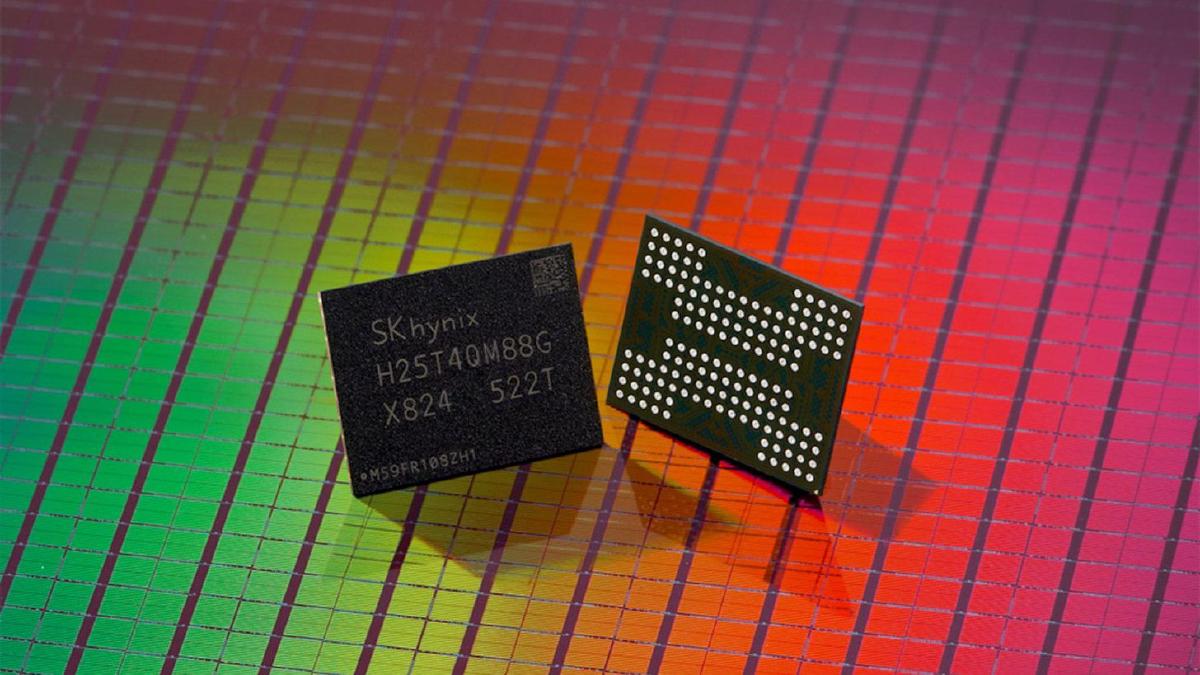
SK hynix, a significant player in the memory semiconductor market, has reported disappointing financial results for the second quarter of 2026, falling short of market consensus expectations. The company recorded revenue of $54.6 billion (approximately 79.3 trillion won), which is a stark contrast to the anticipated $57.7 billion (about 83.9 trillion won). Additionally, SK hynix’s operating profit was reported at $41.6 billion (60.5 trillion won), missing the consensus estimate by 5.9 percent.
This substantial shortfall is attributed to the company’s significant pivot towards high-bandwidth memory (HBM) technology, particularly in the context of artificial intelligence applications. As first reported by Wccftech, this strategic shift towards AI-centric HBM appears to have placed considerable strain on SK hynix’s overall financial performance. The company has been heavily investing in advanced HBM solutions, a move that is becoming increasingly critical in the competitive landscape of AI hardware.
In light of these challenging results, SK hynix is also introducing a new innovation in its HBM5 technology,an integrated cooling element. This development is expected to enhance the performance and efficiency of HBM solutions, a necessary adjustment given the rising thermal demands of AI workloads. The integration of cooling technology aims to address one of the critical challenges faced by memory solutions in high-performance computing environments.
The broader context of SK hynix’s struggles reflects a turbulent period for memory manufacturers who are grappling with fluctuating demand and pressures from a rapidly evolving technological landscape. The company’s heavy reliance on AI-driven products, while strategically sound, has exposed it to significant risk during periods of market volatility.
As the demand for AI applications continues to grow, the semiconductor industry is increasingly focused on developing memory solutions that can meet the unique requirements of these technologies. Companies like SK hynix are betting that their investments in next-generation HBM will ultimately pay off, despite the immediate financial drawbacks.
For investors and stakeholders, SK hynix’s recent performance highlights the inherent risks associated with heavy innovation investments. The potential for long-term gains exists, yet the short-term implications may lead to increased scrutiny from analysts and shareholders alike. As the company navigates this challenging period, its ability to adapt and deliver on its promises will be closely monitored.
Founded in 1983 and headquartered in Icheon, South Korea, SK hynix is one of the largest manufacturers of semiconductors globally. The company specializes in DRAM and NAND flash memory products, and its recent focus on HBM technology underlines the intensifying competition in the semiconductor sector as companies seek to capitalize on the growing AI market. With ongoing investments and innovations, SK hynix aims to solidify its position within the evolving landscape of memory technology.
Image credit: Wccftech
This article was generated with AI assistance and reviewed for accuracy.