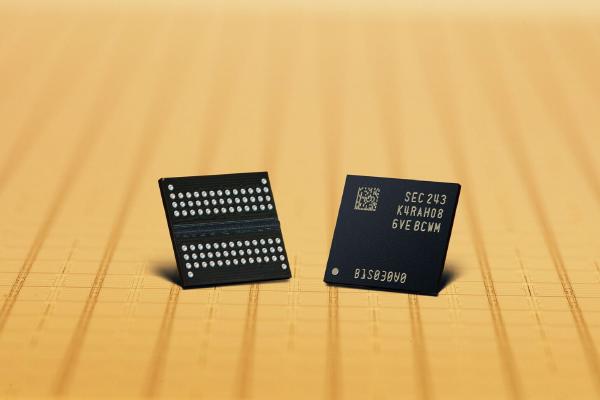
Silicon Motion, a prominent player in the semiconductor industry, has issued a stark warning regarding the future supply of memory and solid-state drive components. According to the company’s CEO, shortages of DRAM and NAND technology are expected to extend until 2028, primarily due to sustained demand from artificial intelligence companies. This situation poses significant implications for both the gaming industry and consumer electronics.
The CEO explained that the current climate of shortages stems from increasing commitments from AI firms, which are securing long-term contracts to ensure a steady supply of these critical components. As a result, the pressure on memory and SSD manufacturers is escalating, leading to further constraints in the consumer and enterprise markets. These challenges are compounded by the fact that while manufacturers are investing in new facilities to ramp up production, these expansions are not anticipated to be operational until at least 2027. Consequently, gamers and tech enthusiasts are likely to feel the effects of these shortages for several more years.
As first reported by Wccftech, the ongoing scarcity of DRAM and NAND has already led to rising prices across the board. With a limited supply and increasing demand, these costs are expected to continue climbing, directly impacting the pricing of gaming consoles and high-performance PC components. This scenario places additional strain on both consumers and developers, who may find it increasingly difficult to access the necessary hardware to support next-generation gaming experiences.
The ramifications of these shortages are significant. As gaming technology becomes ever more reliant on high-capacity memory and fast SSDs for seamless performance,especially in terms of load times and graphical fidelity,the ongoing scarcity could stifle innovation and development in the sector. Game developers may face challenges in optimizing their titles for platforms that cannot keep up with the demands of modern gaming.
Silicon Motion’s forecast aligns with broader trends in the semiconductor industry, where supply chain disruptions have plagued manufacturers for the past few years. The shift towards AI technologies has intensified competition for essential components, diverting resources away from other sectors, including consumer electronics. This dynamic raises concerns about the long-term sustainability of the gaming market as hardware availability becomes increasingly precarious.
With major gaming consoles such as the PlayStation 5 and Xbox Series X relying heavily on advanced memory and storage solutions, the repercussions of extended shortages could hinder their accessibility and sales performance. Additionally, the potential for higher prices may compel consumers to rethink their gaming purchases, further complicating the market landscape.
As we look ahead, it is critical for industry stakeholders to remain vigilant about these trends and their potential impacts. Manufacturers, developers, and consumers alike must prepare for a prolonged period of scarcity and adjust their strategies accordingly. The gaming industry, which thrives on rapid technological advancement and innovation, may need to rethink its reliance on specific hardware components in light of these new challenges.
In summary, the projections from Silicon Motion underscore an urgent need for the gaming and tech industries to address ongoing supply chain issues and consider alternative solutions to mitigate the impacts of these shortages.
Founded in 2005, Silicon Motion Technology Corporation specializes in NAND flash controllers and is a crucial supplier in the memory production ecosystem, positioning itself at the intersection of consumer electronics and high-tech applications.
Image credit: Wccftech
This article was generated with AI assistance and reviewed for accuracy.