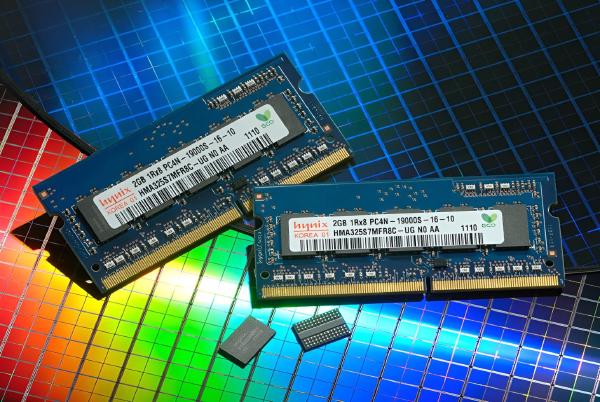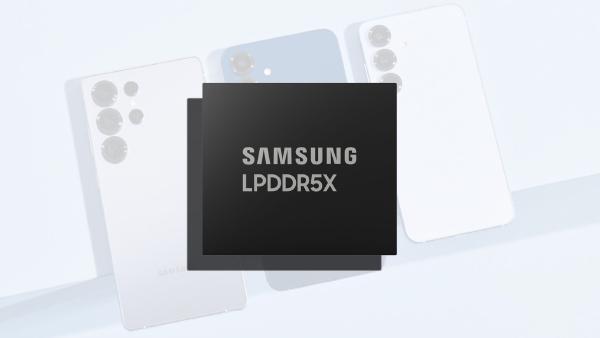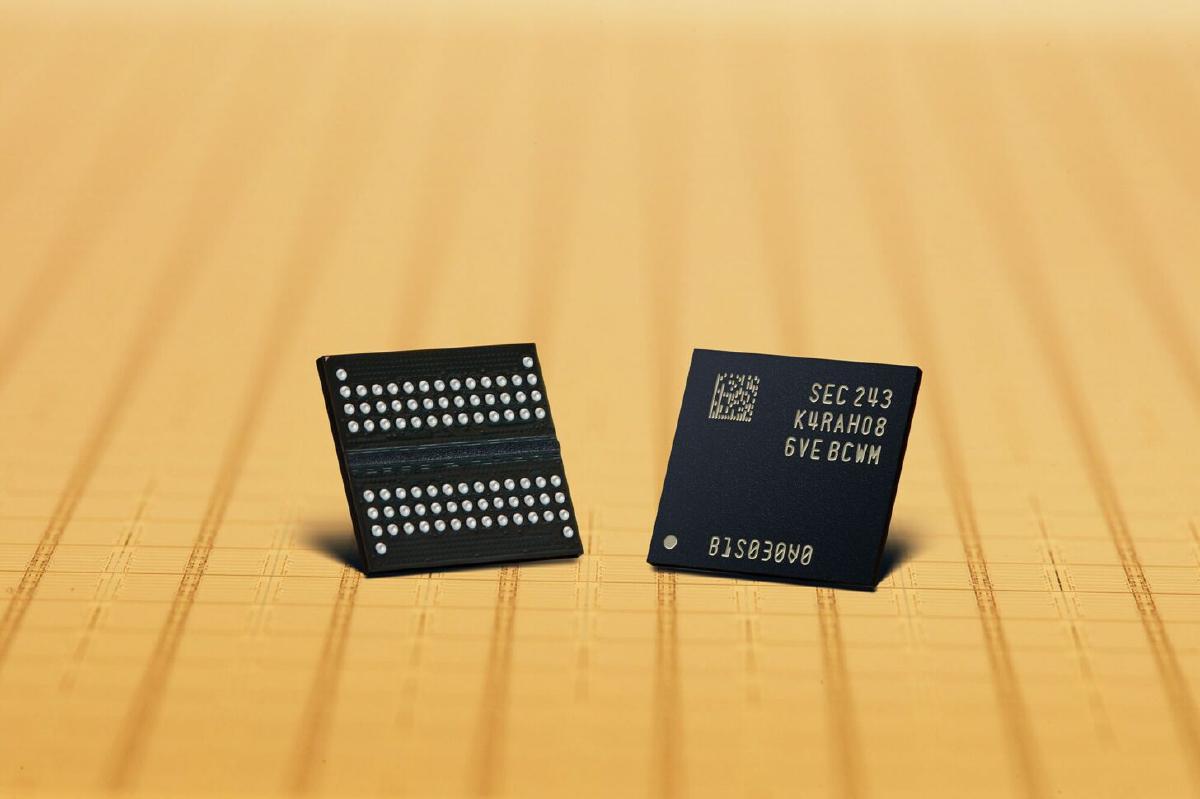
Samsung’s memory division has achieved a remarkable milestone, surpassing the profitability of industry giants such as Amazon, Meta, and Microsoft. As reported by Wccftech, the company’s DRAM business generated an impressive $37 billion in revenue during the first quarter of this year. This surge in profitability highlights the substantial demand for memory solutions driven by the rapid expansion of artificial intelligence applications.
The escalating need for DRAM (Dynamic Random Access Memory) is largely attributed to the growing AI sector, which requires high-performance memory to process vast amounts of data. Major suppliers, including Samsung, SK hynix, and Micron, are currently facing challenges in meeting this soaring demand, resulting in a widespread shortage throughout the supply chain. As AI technology continues to advance, this trend appears set to persist.
Counterpoint Research’s latest report sheds light on Samsung’s financial performance. The firm noted that the memory market has transitioned into a commodity, with DRAM at the forefront due to its critical role in AI and data-intensive applications. This has not only bolstered Samsung’s revenue but also positioned the company as a key player in the burgeoning AI landscape.
The implications of this profitability are significant for both the industry and consumers. For gamers and technology enthusiasts, the ongoing memory shortage could affect the availability and price of gaming hardware, including graphics cards and gaming consoles, which rely heavily on DRAM. As suppliers struggle to maintain inventory levels, gamers may face increased costs or delays in upgrading their systems.
Moreover, as Samsung solidifies its position as a leader in the memory market, it is likely to invest further in innovation and expansion. This could lead to advancements in memory technology that enhance gaming experiences and performance. However, until supply constraints are alleviated, the market may continue to experience volatility.
The competitive landscape for memory suppliers is increasingly intense, with companies striving to secure their positions in this lucrative segment. The interplay between supply and demand will be a crucial factor influencing the future profitability of these businesses. With the AI sector expected to grow exponentially, the memory market is poised for further transformation.
In the broader context, Samsung’s ascent in profitability reflects a significant shift within the technology sector. As industries increasingly adopt AI solutions, the demand for efficient memory solutions will likely continue to rise, reshaping market dynamics. This trend underscores the importance of strategic investments in memory technology for companies looking to capitalize on the AI boom.
Established in 1969, Samsung Electronics has evolved into a global leader in technology, known for its innovation in various sectors, including semiconductors, consumer electronics, and telecommunications. The company’s continued focus on research and development is essential for maintaining its competitive edge in an ever-evolving industry landscape.
Image credit: Wccftech
This article was generated with AI assistance and reviewed for accuracy.