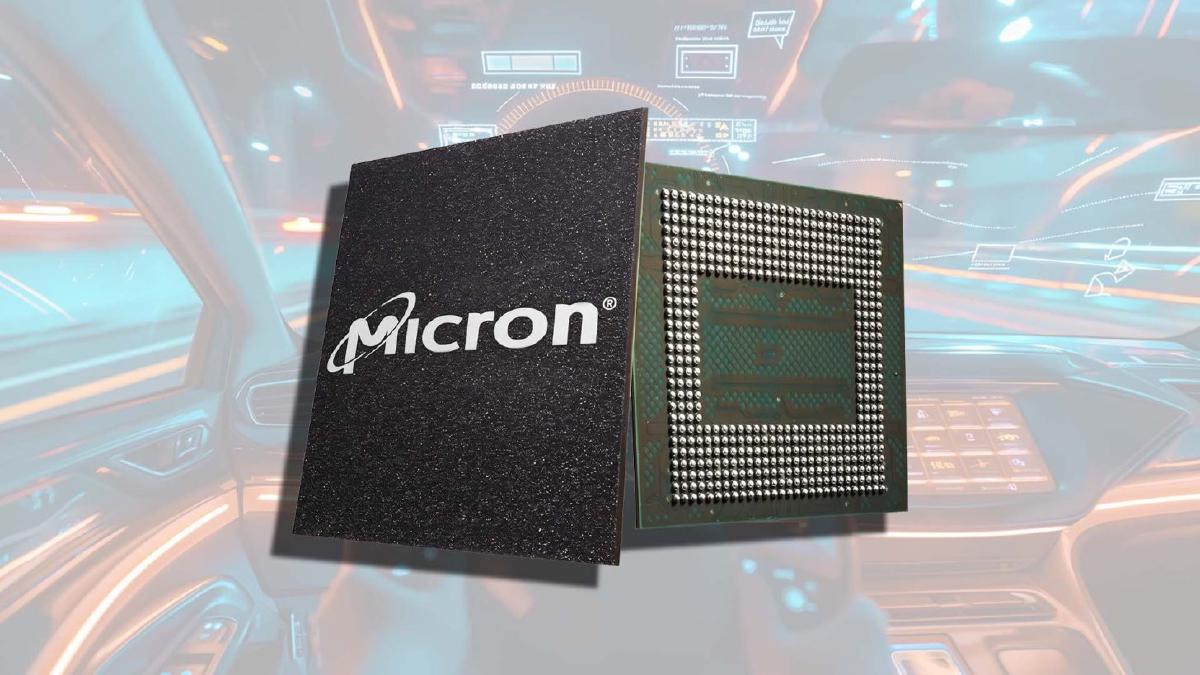
As first reported by Wccftech, Micron Technology has taken proactive measures to mitigate the impact of a continuing DRAM supply crunch on the automotive sector. The memory chip manufacturer announced a Strategic Customer Agreement (SCA) aimed at maintaining stability in the supply chain for automakers, an industry that is facing significant challenges due to the ongoing semiconductor shortage.
This initiative comes in response to the potential loss of up to one million jobs in the U.S. automotive sector, a crisis that could have severe economic consequences. By securing long-term supply agreements with 16 strategic automotive customers, Micron is positioning itself not only to bolster its market presence but also to play a critical role in preserving jobs that are essential for the U.S. economy.
The DRAM supply crisis has largely been driven by surging demand for chips across various sectors, particularly those related to artificial intelligence and data centers. Micron’s decision to engage with automakers is a strategic pivot that underscores the necessity of a balanced approach in chip allocation. While AI and data centers continue to be significant revenue streams, the automotive industry has proven to be a vital sector that needs support to navigate through these turbulent waters.
The agreements with automotive manufacturers signify Micron’s commitment to diversifying its customer base, ensuring that it does not overly concentrate on industries with soaring demand at the expense of others. This move not only highlights the company’s adaptability but also reflects a broader strategy to reinforce the resilience of its operations amidst fluctuating market conditions.
Micron’s involvement in the automotive sector is particularly timely as manufacturers struggle with production delays caused by supply shortages. By ensuring the availability of DRAM chips, Micron is helping automakers maintain production schedules and avoid severe operational disruptions that could lead to widespread job losses. This collaborative approach could serve as a model for other semiconductor companies facing similar challenges across different industries.
Industry analysts have noted that Micron’s initiative could potentially stabilize the market, providing a much-needed buffer for automakers against the ongoing chip crisis. The company’s ability to secure long-term agreements signals confidence in its capacity to meet demand while maintaining quality and reliability. This is crucial for automakers as they strive to keep pace with consumer demand for vehicles, especially electric and autonomous models that require advanced semiconductor technologies.
The automotive industry is undergoing a transformative phase, with increasing reliance on sophisticated electronics to enhance vehicle performance and safety. Micron’s engagement with this sector not only aids in job preservation but also supports the broader transition towards electrification and smart technology integration within vehicles.
Micron Technology, founded in 1978, is a leader in the semiconductor industry and has been pivotal in the development of memory and storage solutions. The company’s commitment to innovation and customer partnership positions it well to navigate the current challenges in the technology landscape while also supporting critical industries like automotive.
As the situation continues to evolve, Micron’s strategic agreements may set a precedent for how semiconductor companies can operate within a multi-faceted marketplace. The balance between different sectors could be essential for both economic stability and technological advancement in the years to come.
Image credit: Wccftech
This article was generated with AI assistance and reviewed for accuracy.