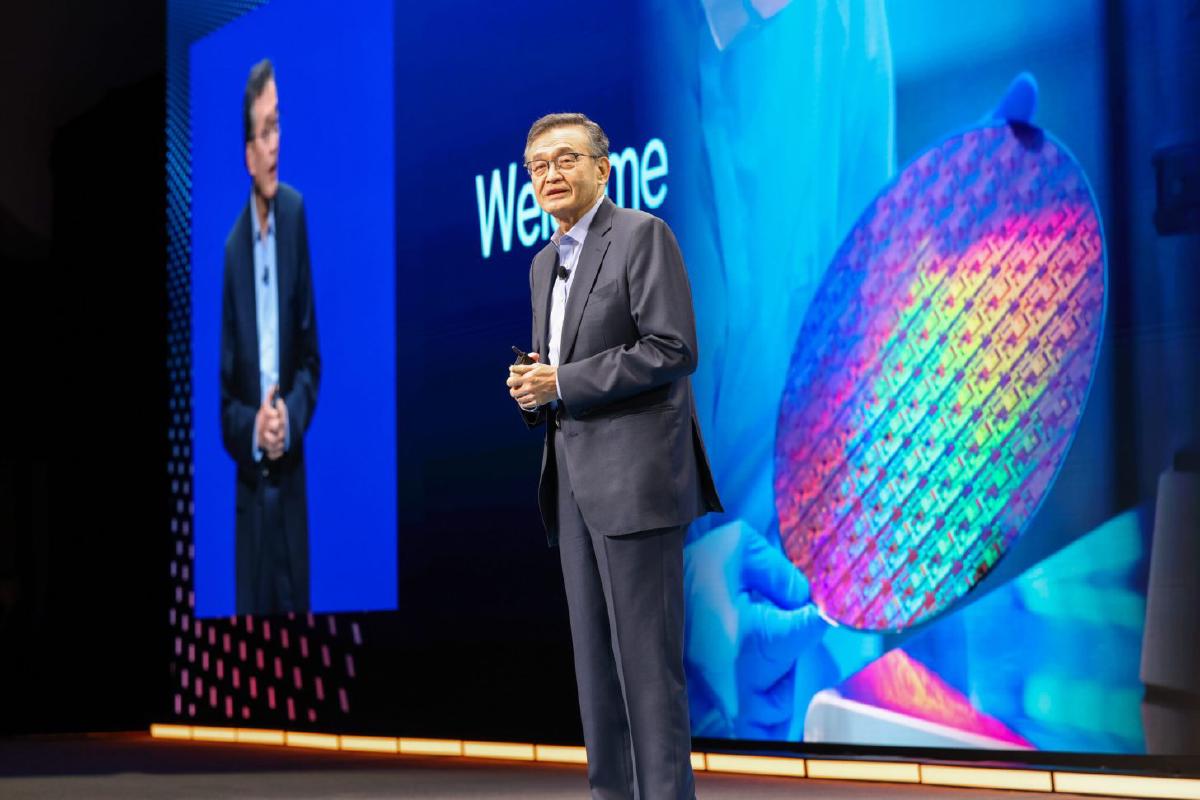
Intel’s Foundry business is experiencing a surge in external customer interest, a trend underscored by CEO Lip-Bu Tan during a recent interview on CNBC’s Mad Money with Jim Cramer. Tan referred to the Foundry as a “national treasure,” emphasizing its critical role in the semiconductor landscape, particularly in light of the growing demand for advanced packaging and process technologies.
Tan’s remarks come as Intel continues to recover from previous yield challenges, notably with the 18A process node, which has been pivotal for the company’s roadmap. The CEO revealed that a significant portion of Intel’s customers are now prepaying for substrates, indicating strong confidence in the Foundry’s capabilities and future prospects.
The increased interest is largely driven by the burgeoning field of artificial intelligence, which has created heightened demand for advanced semiconductor manufacturing. As companies scramble to enhance their AI capabilities, the need for cutting-edge chips has never been more pronounced. Intel’s Foundry is positioning itself to meet this demand head-on, attracting a variety of clients eager to leverage its manufacturing expertise.
Tan’s declaration of the Foundry as a national treasure reflects more than just pride; it underscores the strategic importance of semiconductor manufacturing in the United States. With geopolitical tensions and supply chain vulnerabilities increasingly at the forefront, a robust domestic semiconductor industry is viewed as essential for national security and technological independence.
Throughout the interview, Tan articulated that approximately 90% of the most advanced processors are reliant on cutting-edge foundry services. This statistic highlights Intel’s pivotal role in the ecosystem of chip production, reinforcing its commitment to innovation and quality in a competitive market. By capturing external customers, Intel not only strengthens its bottom line but also enhances its competitiveness against rivals like TSMC and Samsung, both of which dominate the foundry space.
The implications of this growth for gamers and technology enthusiasts are significant. As Intel ramps up its foundry services, we can expect a broader array of high-performance chips that power everything from gaming consoles to high-end PCs. This could lead to enhanced gaming experiences, improved graphics, and faster processing speeds, ultimately benefiting consumers and developers alike.
As first reported by Wccftech, the current interest in Intel’s Foundry services is expected to transform the company’s future prospects. As demand for AI-driven technologies increases, Intel’s ability to provide advanced manufacturing solutions will likely position it as a key player in the evolving tech landscape.
Intel’s Foundry division, which aims to serve both internal and external clients, has become a focal point of the company’s strategy under Tan’s leadership. Given the ongoing global competition in semiconductor manufacturing, Intel appears poised for a resurgence, leveraging its extensive infrastructure and expertise to capture market share.
As Intel continues to evolve its Foundry services, its commitment to innovation and high-quality production will be vital in maintaining its competitive edge. For gamers and technology enthusiasts, the resulting array of advanced processors and graphics technologies could lead to a new era of performance, driving further advancements in the gaming industry and beyond.
Image credit: Wccftech
This article was generated with AI assistance and reviewed for accuracy.