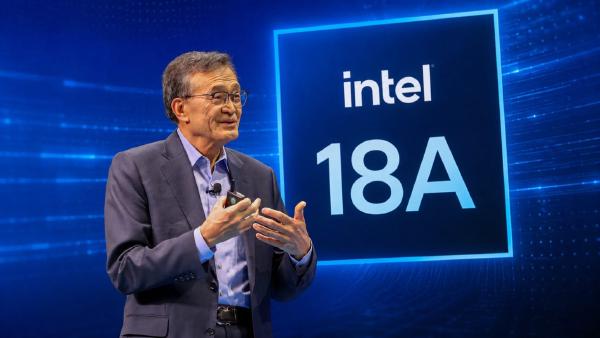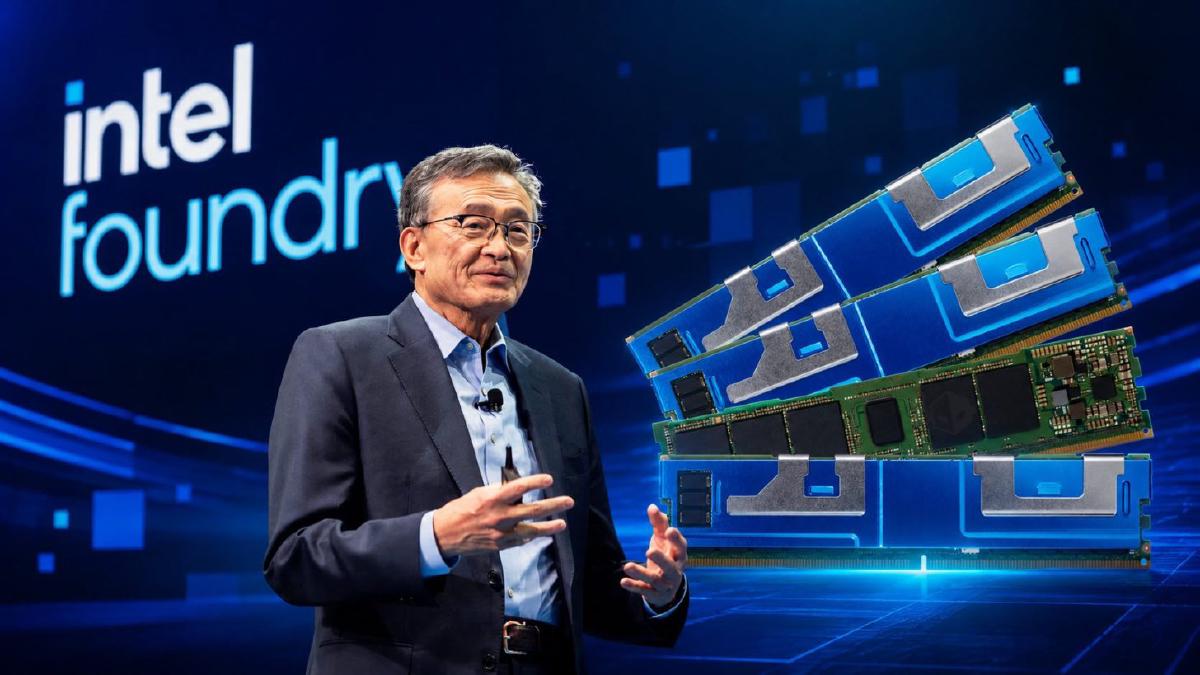
Intel’s leadership has indicated a renewed focus on memory production, suggesting that the company may re-enter this segment. During a recent discussion, CEO Lip-Bu Tan expressed that the memory sector is evolving, moving away from being merely a commodity business toward a realm of significant innovation. This shift could signal a strategic pivot for Intel as it seeks to address emerging challenges in the memory market.
As first reported by Wccftech, Tan’s comments come as the industry faces a growing “DRAM wall,” a term used to describe the limits of current dynamic random-access memory technology. Intel’s historical significance in the semiconductor space is anchored in its origins as a memory chip manufacturer, with its earliest products including the 3101 SRAM and 1103 DRAM. The company’s expertise in this area could position it well as it contemplates a return to memory production.
Intel’s previous engagement with memory technology included its Optane line, which was built on 3D XPoint architecture. Despite the potential of Optane, Intel has faced challenges in gaining market traction, leading to questions about its long-term viability. Tan’s recent insights suggest that the upcoming memory architecture may leverage 3D stacking techniques, which could enhance performance and efficiency in ways not previously possible.
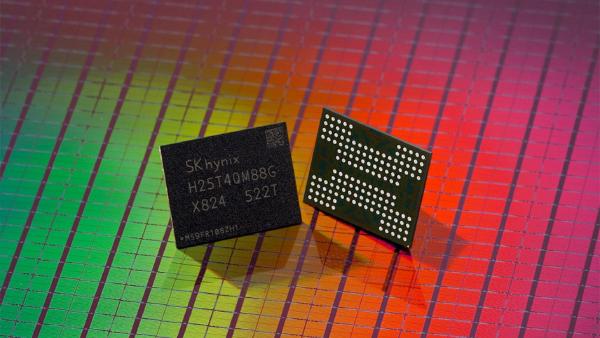
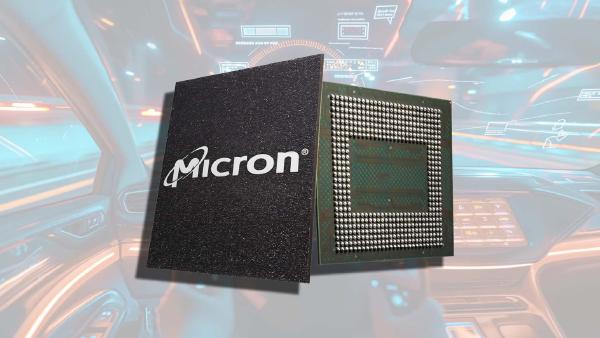
The broader semiconductor industry has been grappling with supply chain issues and increasing demand for memory across various sectors, including gaming, artificial intelligence, and data centers. The situation has opened doors for companies willing to innovate in memory technologies, which are essential in supporting these rapidly evolving applications.
Intel’s potential return to memory manufacturing could have significant implications for several stakeholders. For gamers, advancements in memory technology could lead to enhanced performance in gaming consoles and PCs, resulting in faster load times and improved graphics. Furthermore, developers may find new opportunities for optimization in their game designs, utilizing improved memory solutions.
From an industry perspective, Intel’s move could intensify competition in the memory market, prompting other players to enhance their offerings. If successful, Intel’s innovations could help mitigate the supply issues that have hampered both manufacturers and consumers alike.
As the semiconductor landscape continues to evolve, Intel’s strategic maneuvers will be closely watched. The company has a storied history in memory production, and its renewed focus may not only benefit its bottom line but also elevate the standards for memory performance across the board.
Intel, founded in 1968, has been a major player in the semiconductor industry for decades. Originally centered on memory products, the company has since diversified into microprocessors and other technologies. Its historical expertise in memory could play a crucial role as it considers re-entering the memory production market, positioning itself to meet the growing demands of a tech-savvy society.
Image credit: Wccftech
This article was generated with AI assistance and reviewed for accuracy.