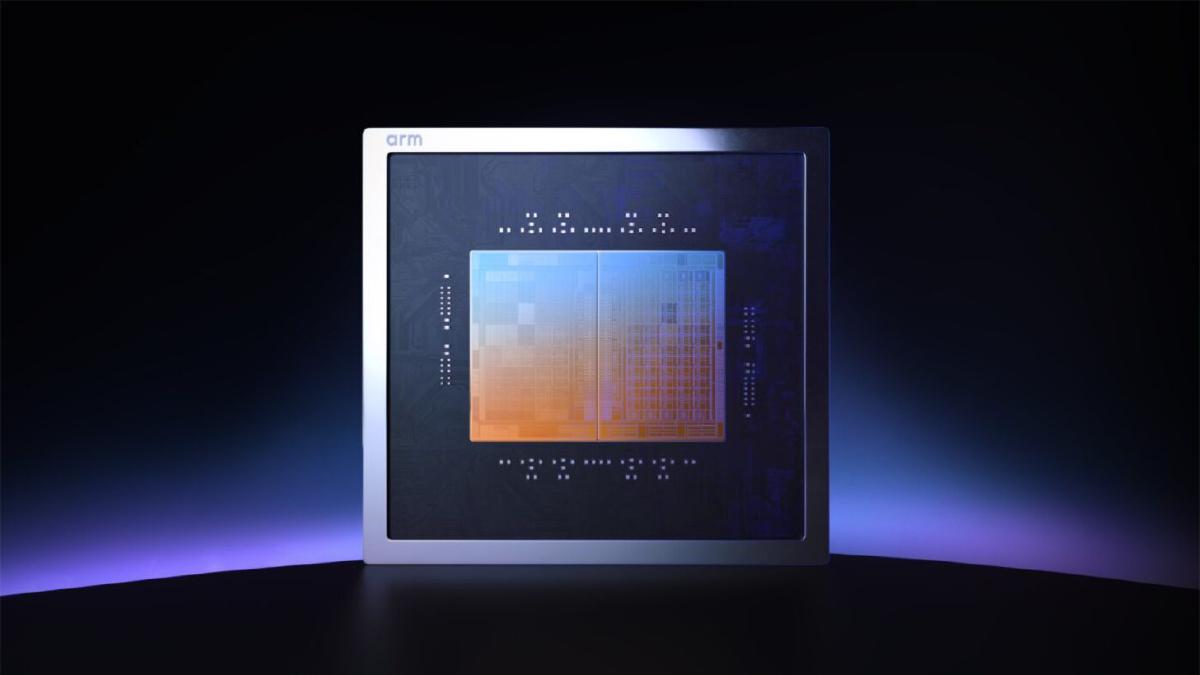
ARM recently unveiled its latest AGI CPU, a move that CEO Rene Haas claims positions the platform to challenge the x86 market share. However, Intel executives have expressed skepticism about the processor’s potential, suggesting that ARM’s assertions of superiority may not reflect any significant advancements. As first reported by Wccftech, Intel’s Data Center Executive has implied that the marketing surrounding ARM’s AGI CPU lacks substance, viewing it as more of a promotional strategy than a genuine leap forward in technology.
The competitive landscape for server CPUs has intensified in recent years, fueled by the increasing demands of agentic AI workloads. This shift has elevated the importance of general computing capabilities, particularly within the infrastructure sector. As a result, established manufacturers such as Intel and AMD are vying for their share of this lucrative market.
Intel’s doubts come at a time when ARM is actively seeking to expand its influence within the data center space. While the AGI CPU is marketed as a cutting-edge solution, Intel’s perspective suggests a more cautious outlook. The skepticism indicates that Intel believes the technological advancements touted by ARM may not translate into a competitive edge over existing x86 architectures.
The AGI CPU’s launch is part of ARM’s broader strategy to capture a significant portion of the market traditionally dominated by x86 processors. As the demand for AI-driven applications continues to grow, ARM aims to leverage its architecture to cater to these emerging needs. However, Intel’s critique raises questions about whether ARM’s approach will resonate with enterprises that prioritize proven performance and reliability over unverified claims.
In the fast-evolving tech landscape, where advancements in AI and cloud computing are paramount, Intel emphasizes the importance of tangible improvements over marketing slogans. The company’s response underscores a broader concern within the industry regarding the legitimacy of new entrants and their claims. For consumers and enterprises alike, the distinction between genuine innovation and marketing hype will be crucial in determining which platforms gain traction in the market.
Ultimately, as competition heats up, both ARM and Intel will need to back their claims with demonstrable results. The ability to deliver on performance promises while adapting to the ever-changing demands of AI workloads will likely dictate the success of their respective CPUs. As the battle for supremacy in the server CPU market continues, the implications of these corporate maneuvers will reverberate throughout the industry.
ARM is known for its energy-efficient architecture and has long been a player in the mobile and embedded systems space. With its recent ventures into server-grade processors, the company aims to redefine its position across different computing environments. Meanwhile, Intel, a long-standing leader in the x86 market, faces the challenge of maintaining its dominance amid rising competition from both ARM and AMD.
Image credit: Wccftech
This article was generated with AI assistance and reviewed for accuracy.