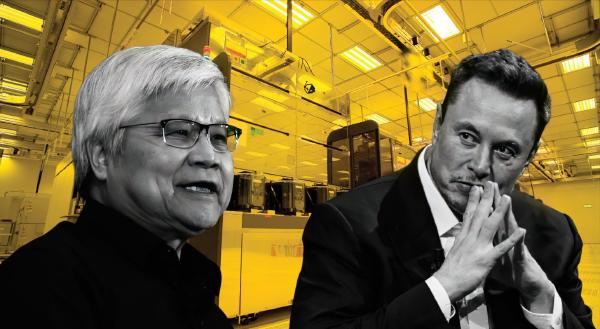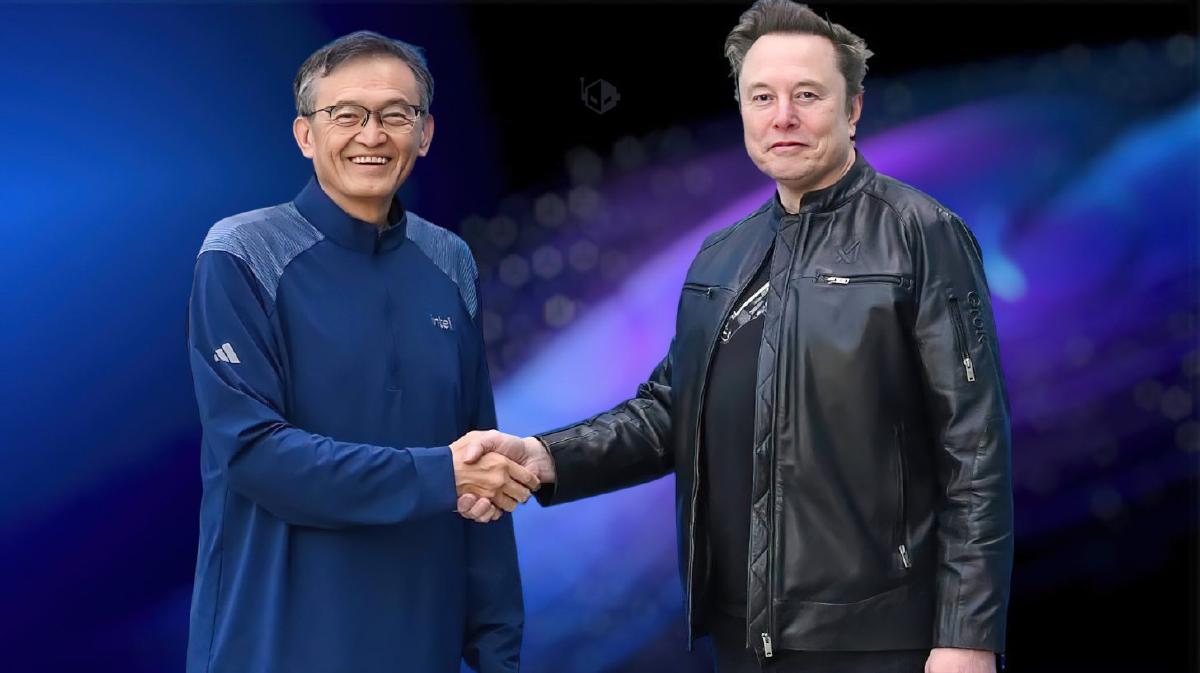
Intel CEO Lip-Bu Tan shared insights regarding the current semiconductor supply chain challenges during a recent podcast. As first reported by Wccftech, Tan discussed the implications of increasing demand for artificial intelligence technologies on chip production and praised Elon Musk’s innovative approach to addressing these issues, particularly through the Terafab project.
Tan noted that the burgeoning need for chips across various sectors, including automotive and robotics, has intensified pressure on the already strained semiconductor supply chain. He emphasized that the transition towards a more AI-driven economy demands a robust manufacturing capability to keep pace with market needs. The rise in AI applications has led to unprecedented demand for processing power, which is subsequently straining chip production resources.
The discussion pivoted to Musk’s Terafab initiative, designed to manufacture chips at scale for his numerous ventures, including Tesla vehicles and SpaceX. Tan commended Musk for his strategic vision, stating that the Terafab project aims to create a comprehensive solution to mitigate the chip supply crisis. By focusing on automation and advanced manufacturing techniques, Terafab seeks to streamline production processes, addressing both current shortages and future demand projections.
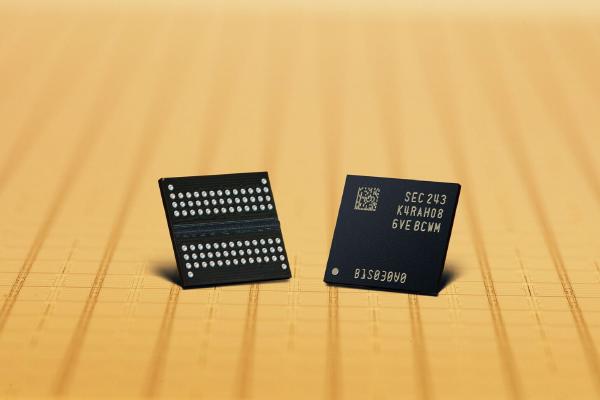
Furthermore, Tan expressed concerns about the ongoing memory shortage that has affected semiconductor companies worldwide. With memory chips being a critical component for various applications, the current supply constraints could hinder the growth of industries reliant on this technology, including gaming and AI systems. He underscored the importance of collaboration within the industry to navigate these challenges effectively.
The dialogue between Tan and the podcast hosts shed light on the broader implications of these supply chain issues for consumers and businesses alike. As demand for chips continues to grow, the potential for increased costs and delays in product availability looms large, particularly for sectors heavily reliant on advanced semiconductors.
Tan’s remarks come at a crucial juncture as companies adapt to meet the evolving needs of a technology-driven world. The semiconductor industry has already faced significant disruptions due to global events over the past few years, and the ongoing AI boom has only compounded these challenges. With Intel’s commitment to ramping up production capabilities, the company is positioned to play a central role in addressing the shortfall in supply.
As the industry navigates these complexities, Tan’s insights serve as a reminder of the interconnectedness of technology development and manufacturing. The success of initiatives like Terafab could be pivotal not only for Musk’s businesses but also for the broader tech ecosystem, which relies on a steady supply of chips to innovate and grow.
Intel, known for its long-standing leadership in semiconductor design and manufacturing, continues to explore avenues for enhancing its production capacity. As the demand for advanced chips escalates, the company’s strategic decisions will likely influence the market landscape and determine how effectively it can respond to the needs of its clients across various sectors, including gaming, automotive, and AI.
In summary, Lip-Bu Tan’s insights reflect the urgency with which the semiconductor industry must act to address supply chain challenges while also highlighting the innovative responses being developed to meet the changing technological demands of the future.
Image credit: Wccftech
This article was generated with AI assistance and reviewed for accuracy.