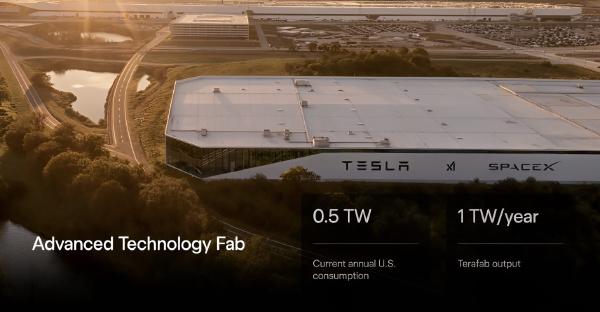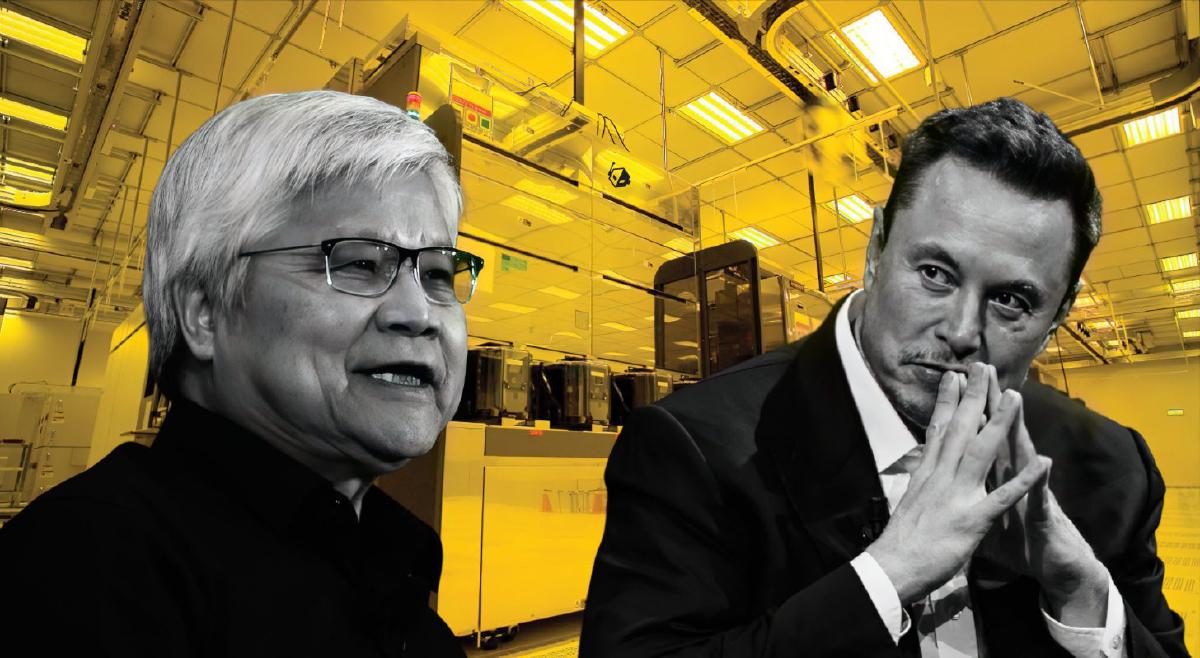
In a recent discussion, Elon Musk emphasized the necessity of the Terafab project to meet the insatiable chip demand from his various enterprises, including Tesla and SpaceX. This announcement underscores the ongoing partnership between Musk and Taiwan Semiconductor Manufacturing Company (TSMC), while also highlighting the limitations of the foundry’s capabilities. As first reported by Wccftech, Musk stated that if TSMC could adequately fulfill his chip requirements, the Terafab initiative may never have been conceived.
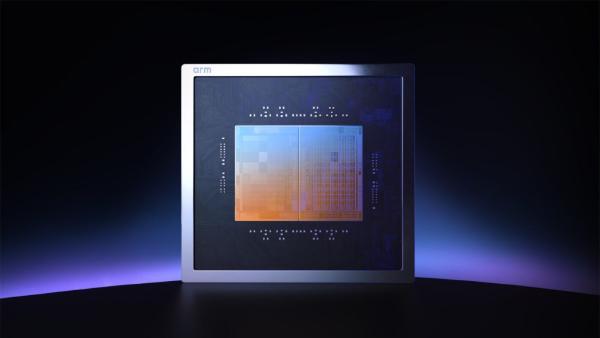
The Terafab project, a collaboration between Musk’s companies and Intel, aims to produce custom chips tailored specifically for Tesla, SpaceX, xAI, and possibly other future ventures. The venture marks a significant shift toward in-house chip manufacturing, a move driven by the growing need for advanced semiconductors in Tesla’s electric vehicles and SpaceX’s space exploration technologies.
Musk’s remarks indicate that TSMC will continue to be a vital supplier for both Tesla and SpaceX, but the chipmaker’s current production capacity is unable to meet the increasing demand. This reality has prompted Musk to pivot towards establishing a more robust supply chain that can cater to his ambitious technological objectives.
The collaboration with Intel is expected to enhance production capabilities, enabling the rapid fabrication of custom chips that align with the unique specifications and performance standards required by Musk’s projects. By taking control of chip manufacturing through Terafab, Musk aims to mitigate risks associated with supply chain disruptions that have plagued the semiconductor industry in recent years.
This strategic move comes at a time when the global chip shortage has created significant challenges for manufacturers across various sectors. Automotive companies, including Tesla, have faced production halts and supply chain issues directly linked to inadequate chip availability. Musk’s proactive approach may serve as a blueprint for other tech companies seeking to navigate and overcome similar obstacles.
The Terafab initiative is not just a response to immediate supply concerns; it represents a long-term vision for self-sufficiency in chip production. By investing in this infrastructure, Musk hopes to ensure that his companies can innovate without being constrained by third-party suppliers. The success of this project could potentially reshape the landscape of chip manufacturing, particularly within the automotive and aerospace sectors.
As the tech landscape evolves, Musk’s ability to leverage partnerships with established firms like Intel while simultaneously pursuing independent manufacturing capabilities may provide a competitive edge. The collaboration signals a growing trend among major corporations to take control of their supply chains in the face of unforeseen global challenges.
In the coming months, as Terafab begins its operations, the industry will be watching closely to see how effectively it can meet Musk’s ambitious chip demands. Should the project succeed, it could establish a new paradigm in semiconductor production, influencing how tech companies approach their manufacturing strategies in the future.
Founded in 1987, TSMC has become a leading player in the semiconductor industry, producing chips for a wide range of applications. Founded in 2003, Intel is a long-standing giant in computing and chip design, providing critical technology to numerous sectors. Tesla, established in 2003, is known for its electric vehicles and energy solutions, while SpaceX, founded in 2002, has reshaped space travel and exploration. The Terafab project signifies a pivotal moment in the intersection of automotive innovation and aerospace technology.
Image credit: Wccftech
This article was generated with AI assistance and reviewed for accuracy.