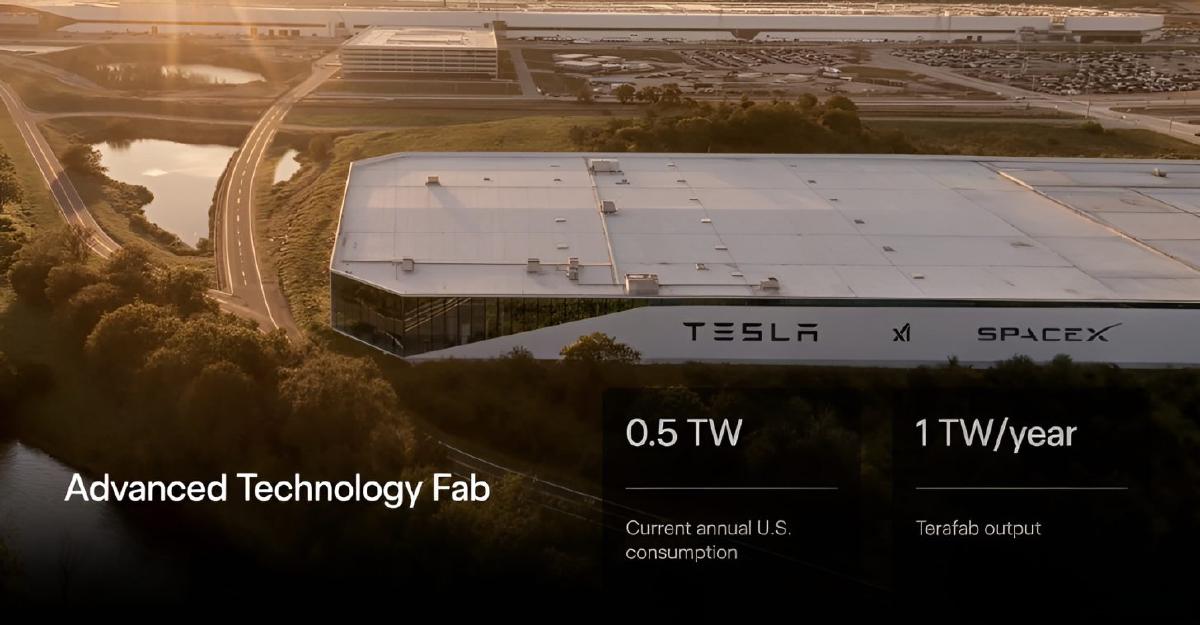
Elon Musk has unveiled TeraFab, a visionary project that promises to redefine the landscape of computing. With this ambitious initiative, Musk aims to address the staggering compute demand that, at present, is met by only 2% of Earth’s resources. The TeraFab project is central to Musk’s vision for a “Galactic Civilization,” as he attempts to scale up computing capabilities in a way that dwarfs existing chip fabrication facilities worldwide.
As first reported by Wccftech, TeraFab was introduced during a dedicated showcase where Musk elaborated on the concept that has been in discussion for several months. This initiative is not merely about increasing production; it is a strategic response to the growing computational needs of several of Musk’s ventures, including Tesla, SpaceX, and xAI. Each of these companies is heavily reliant on advanced computing for their operations, which has only intensified the urgency for a solution.
The concept of TeraFab builds on Musk’s earlier comments at Tesla’s shareholder meeting, where he first hinted at the need for enhanced computing resources. The scale of TeraFab suggests an unprecedented level of investment and innovation, signaling a potential shift in how semiconductor fabrication is approached. By significantly ramping up production capabilities, Musk intends to alleviate the bottleneck that many technology companies face in sourcing high-performance chips.
TeraFab is positioned as a critical infrastructure project that not only serves Musk’s businesses but also aspires to meet the broader demands of the tech industry. This ambition reflects a larger trend in the tech world, where companies are increasingly investing in their own fabrication capabilities to ensure supply chain stability and meet growing consumer expectations.
The implications of TeraFab extend beyond just Musk’s enterprises. If successful, this initiative could set new standards in the semiconductor industry, influencing everything from pricing strategies to technological innovations. As the global demand for compute power continues to rise dramatically, TeraFab could emerge as a pivotal player in ensuring that supply keeps pace with demand.
Musk’s foray into the chip industry is not without its challenges. The complexities of chip fabrication, including the need for precision engineering and significant capital investment, cannot be understated. However, Musk’s track record of pushing boundaries in various industries,from automotive to aerospace,suggests that he may very well have the vision and resources to tackle these hurdles.
As TeraFab develops, it will be important to monitor its impact on the semiconductor landscape, especially concerning how it might influence other tech giants. Companies that have historically relied on third-party manufacturers for their chips may need to reassess their strategies in light of Musk’s ambitious plans.
In summary, Elon Musk’s TeraFab initiative marks a significant leap in addressing the compute demands of the future. With its potential to reshape the semiconductor industry, TeraFab could become a cornerstone of not only Musk’s business endeavors but also a catalyst for technological advancement across various sectors.
TeraFab reflects Musk’s forward-thinking approach, aligning with his broader goals of sustainability and interplanetary exploration. Tesla, founded in 2003, is known for its electric vehicles and renewable energy solutions, while SpaceX, established in 2002, focuses on advancing space technology. xAI, a relatively new player in AI development, aims to create advanced artificial intelligence systems that benefit humanity. Together, these ventures form a unique ecosystem that may reshape the future of technology and exploration.
Image credit: Wccftech
This article was generated with AI assistance and reviewed for accuracy.