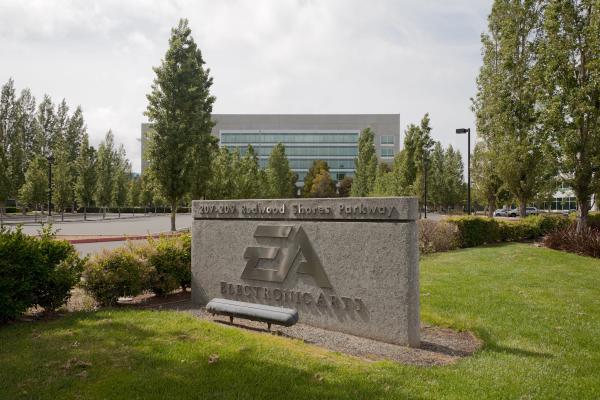
The recent completion of Electronic Arts’ (EA) $55 billion acquisition has left the gaming giant grappling with substantial financial challenges. As first reported by Wccftech, the deal has burdened EA with an eye-popping $18 billion in debt, prompting fears among its internal studios about potential layoffs in the near future.
Despite EA’s initial assurances that no immediate layoffs would occur, industry analysts are increasingly skeptical. Bloomberg’s Jason Schreier has highlighted that the enormous debt load could inevitably lead to significant workforce reductions as the company strives to realize $700 million in annual cost savings. This debt translates to an annual interest obligation of approximately $1.8 billion, a hefty sum for any corporation to manage.
EA’s reported annual Earnings Before Interest, Taxes, Depreciation, and Amortization (EBITDA) is around $1.5 billion. This figure theoretically positions the company to meet its interest payments, although it suggests a tight financial margin in the coming years. The mounting debt raises concerns over the company’s operational flexibility and its ability to invest in new projects or retain talent.
The news comes at a time when the gaming industry is already navigating significant transitions, with mergers and acquisitions becoming increasingly common as companies seek to bolster their portfolios. The acquisition landscape has intensified competition, leading to questions about the long-term viability of studios under larger corporate umbrellas. In EA’s case, this massive financial commitment could hinder innovation and slow down the development of upcoming titles.
In response to these pressures, EA has been focusing on its core franchises, including sports titles like FIFA and Madden NFL, as well as the blockbuster franchise Battlefield. However, reliance on established brands may not be sufficient to offset the financial pressures stemming from the recent acquisition.
As the gaming landscape continues to evolve, the implications of EA’s financial strategy will be closely monitored. With industry experts predicting potential upheaval, employees and stakeholders alike are left wondering how these corporate maneuvers will affect job security and the quality of future gaming experiences.
Given EA’s storied history and significant market presence, the reactions from both employees and gamers will be crucial in shaping the future of the company. Will EA manage to balance its financial obligations while fostering innovation? The coming months will be critical in determining the path forward for this prominent player in the gaming industry.
EA is known for its extensive portfolio of popular franchises, including FIFA, Madden NFL, and The Sims, and has been a dominant force in the video game market for decades. However, the challenges presented by its recent acquisition could redefine its approach to business in the rapidly changing gaming sector.
Image credit: Wccftech
This article was generated with AI assistance and reviewed for accuracy.