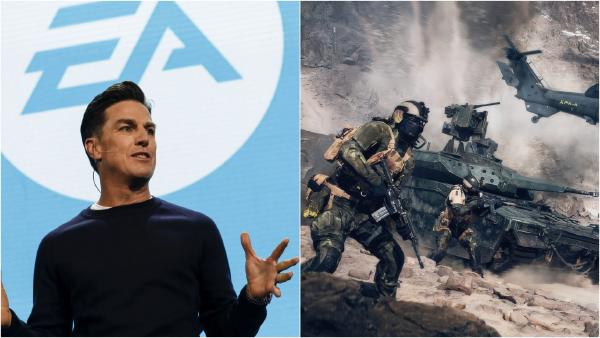
In a striking juxtaposition of corporate prosperity and workforce reduction, Electronic Arts (EA) CEO Andrew Wilson’s compensation has surged by $30 million amidst ongoing layoffs at the company. This significant increase in pay coincides with EA’s forthcoming transition to private ownership following a leveraged buyout by Saudi Arabia. As first reported by GameSpot, the transition means that EA will no longer be required to disclose financial figures publicly.
According to a report filed with the Securities and Exchange Commission, Wilson’s pay package for the previous fiscal year increased to a total of $39 million, a stark contrast to the company’s recent announcements of workforce reductions. Specifically, EA has laid off numerous developers while also restructuring various departments, raising questions about the priorities of the company.
The pay raise for Wilson and other executives highlights a concerning trend in the industry, where executive compensation frequently appears disconnected from the realities faced by employees on the ground. The layoffs, which affect both creative and technical teams, come at a time when many companies are reevaluating their workforce needs in light of economic pressures and shifting market demands.
Additionally, the impending buyout signifies a significant shift in EA’s operational model, as the company will no longer need to share financial reports with investors or the public. This change raises concerns about transparency and accountability, particularly as EA navigates potential restructuring and strategy alterations in its move to private status.
While the gaming industry has seen a boom during the pandemic, various companies, including EA, have begun to reassess their workforce strategies as they seek to bolster profitability. The decision to lay off employees while simultaneously increasing executive compensation can foster a negative perception among gamers and industry stakeholders who expect more equitable treatment of staff.
The disparity between Wilson’s pay and the layoffs has sparked discussions regarding the ethics of executive compensation, particularly in a climate where many companies are striving to maintain a robust talent pool while navigating economic uncertainties. Analysts point out that such decisions can have lasting impacts on company morale and public relations, particularly in a highly competitive industry where talent is critical to innovation and success.
As EA prepares for its new chapter under Saudi ownership, how these dynamics will shape the company’s culture and operational practices moving forward. The implications of Wilson’s substantial pay increase, coupled with the layoffs, could influence not only EA’s internal environment but also its relationship with consumers who have become increasingly attuned to corporate governance issues.
Founded in 1982, EA has established itself as a significant player in the gaming industry, known for franchises like FIFA, Madden NFL, and The Sims. The company’s upcoming changes represent not just a shift in leadership but also a potential redefinition of its corporate ethos and commitment to its employees. As the landscape continues to evolve, the actions of EA will be closely monitored by both fans and industry experts alike.
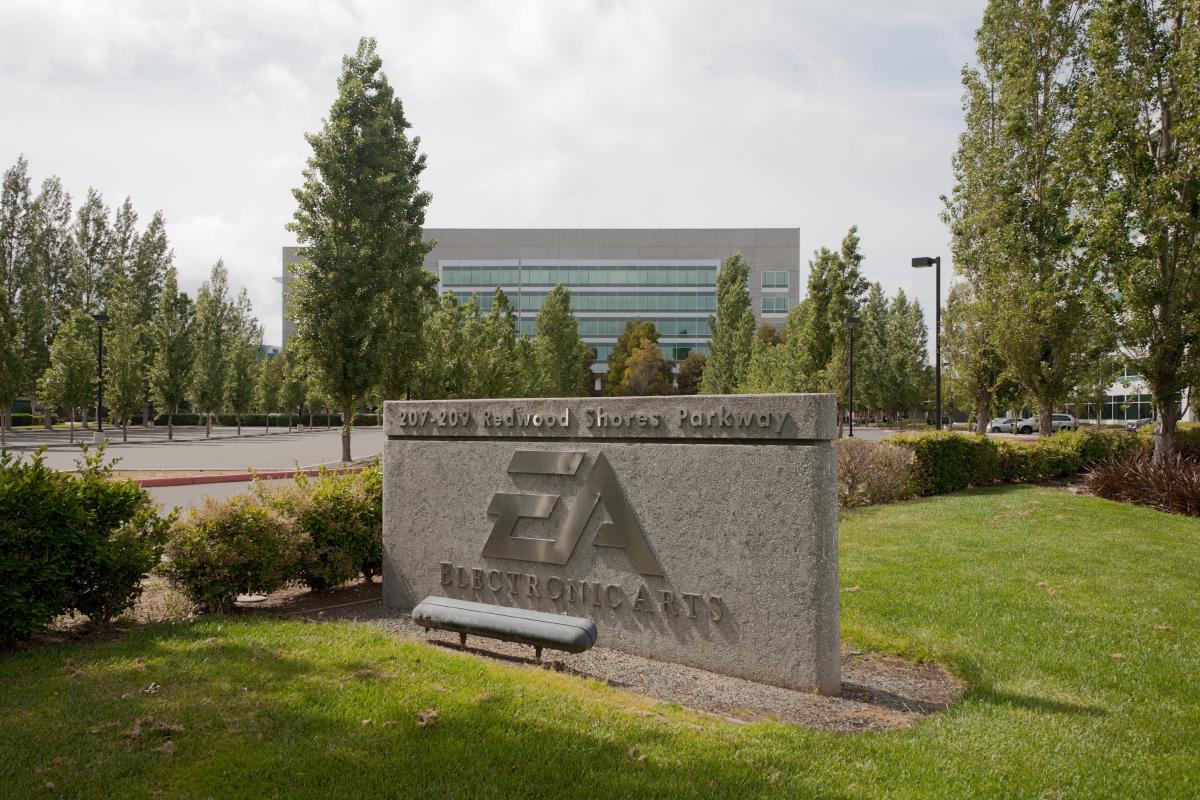
Image credit: Wikipedia
This article was generated with AI assistance and reviewed for accuracy.