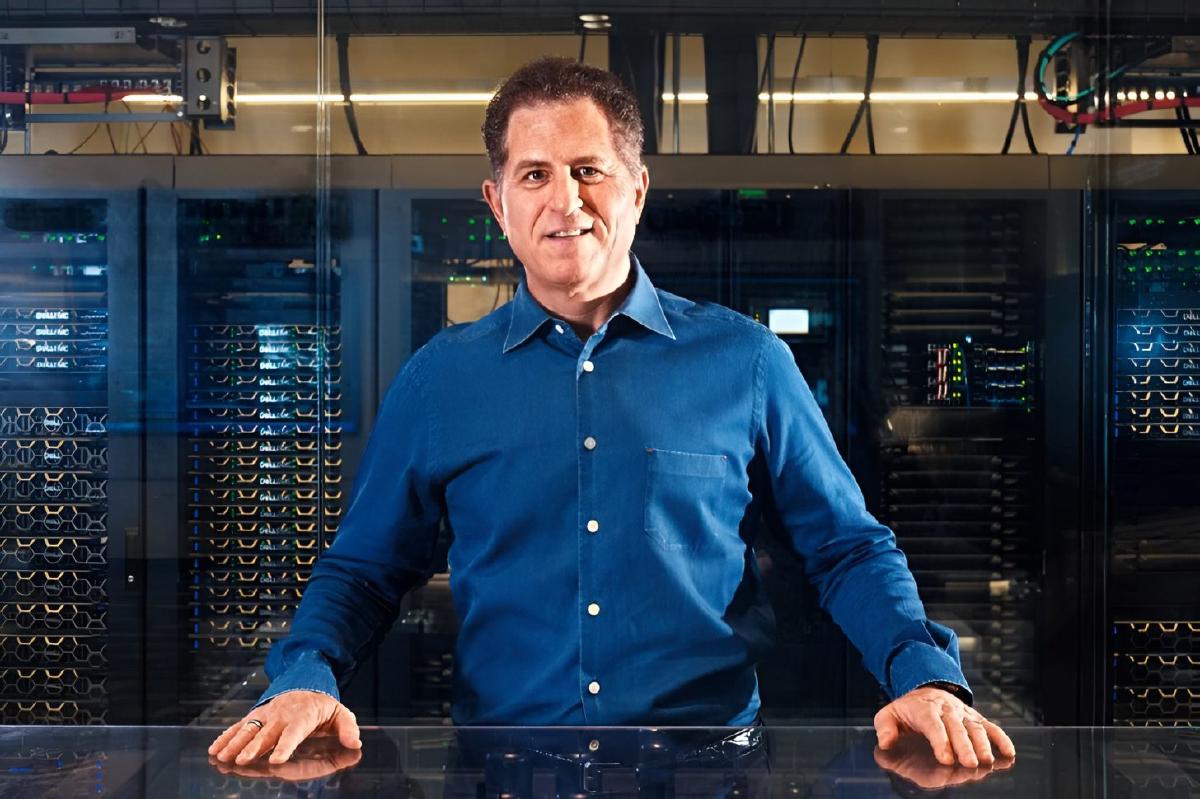
Dell Technologies’ CEO, Michael Dell, has made a bold forecast regarding the future of the AI memory market, suggesting that the demand for memory resources will surge to unprecedented levels by 2028. Speaking at a recent industry event, Dell emphasized that hyperscale data centers, often referred to as hyperscalers, face immense pressure to invest in memory technologies. He noted that failing to do so could leave these enterprises trailing behind their competitors.
This projection comes amid a notable widening of the supply-demand gap in the memory market, a trend that Dell attributes to the increasing reliance on AI technologies across various sectors. As first reported by Wccftech, Dell highlighted that the memory supercycle driven by AI applications is expected to unfold over the coming years. This creates a sense of urgency for businesses that are heavily invested in data processing and analytics, as they may need to commit to substantial memory purchases to remain competitive.
The ongoing fluctuations in the memory industry have raised concerns among tech companies about pricing and availability. Following the recent controversies surrounding TurboQuant and a broader sell-off within memory companies, industry stakeholders are left grappling with the implications for their operational budgets. Dell’s comments underline a critical juncture for businesses; the pressure to acquire memory resources may lead to inflated pricing as demand continues to escalate.
Dell’s remarks reflect a growing consensus among industry leaders about the transformative role of AI in shaping memory consumption patterns. As organizations increasingly turn to AI-driven solutions for data processing, the requirements for efficient memory will likely evolve. This shift could prompt significant changes in procurement strategies for tech companies, particularly those reliant on advanced analytics and machine learning capabilities.
Moreover, the competition among hyperscalers to secure robust memory solutions is expected to intensify, as the fear of lagging behind may compel them to pay premium prices. This anticipated surge in demand could lead to a challenging landscape for buyers, who may find themselves with little leverage in negotiations as they seek to secure essential memory resources.
The ramifications of these predictions extend beyond corporate strategies; they also highlight the potential for consumers to experience higher prices for technology products and services that depend on advanced memory solutions. As businesses allocate more budget toward memory acquisitions, these costs could trickle down, affecting everything from cloud computing fees to consumer electronics.
In summary, Dell’s insights into the future of AI memory demand serve as a clarion call for tech companies and stakeholders in the memory market. With an impending supercycle on the horizon, businesses must prepare for an environment characterized by escalating prices and competitive pressures surrounding memory procurement.
As one of the leading manufacturers in the tech industry, Dell Technologies is known for its innovative solutions and significant contributions to enterprise hardware. The company has a storied history in the computing sector, consistently adapting to emerging technologies, including artificial intelligence and cloud computing.
Image credit: Wccftech
This article was generated with AI assistance and reviewed for accuracy.